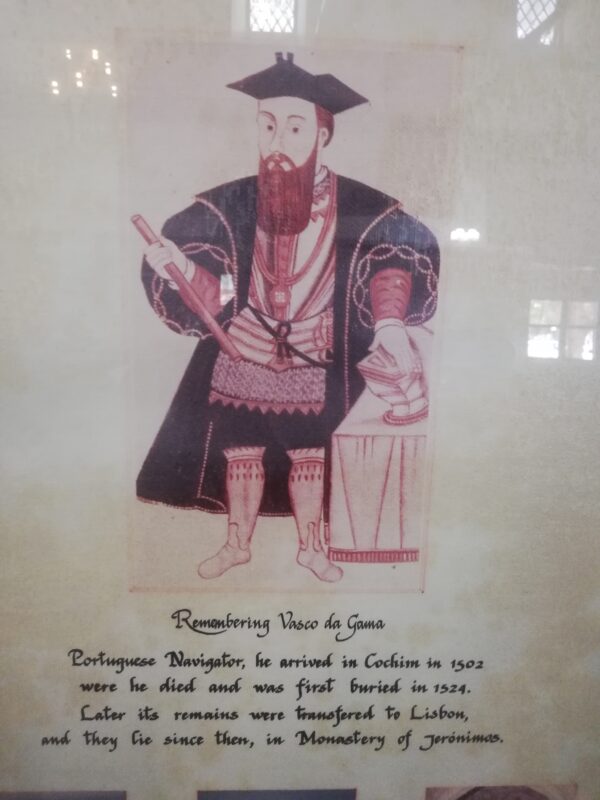
On the 26th we arrived in Kochi, about hours drive north of Alapuzha on the Malabar coast. Kochi is relatively new compared with other major cities in India, with the Portuguese arriving in 1503 after a flood created a harbour from which spices could be exported. They built Fort Immanuel (now Fort Kochi) in what is now the Old Town before the Dutch acquired the town in 1663. Vasco di Gama is buried in St Francis Church.
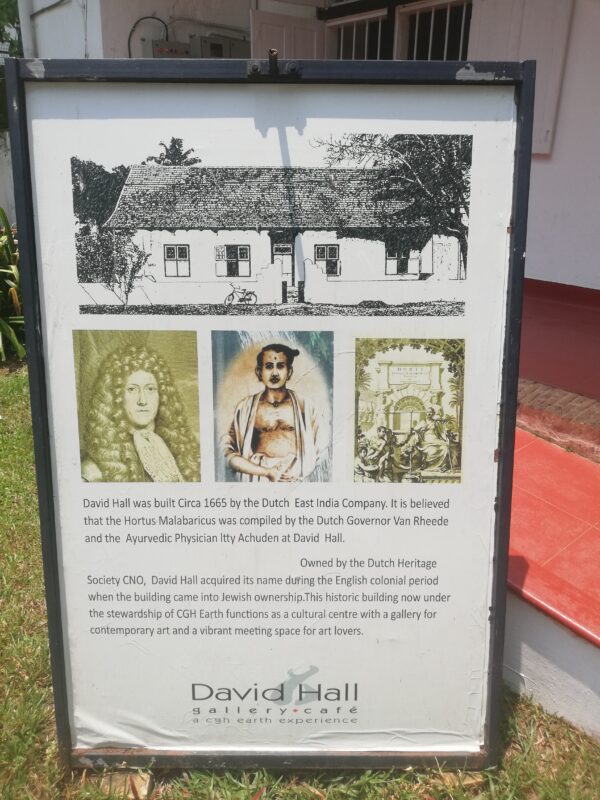
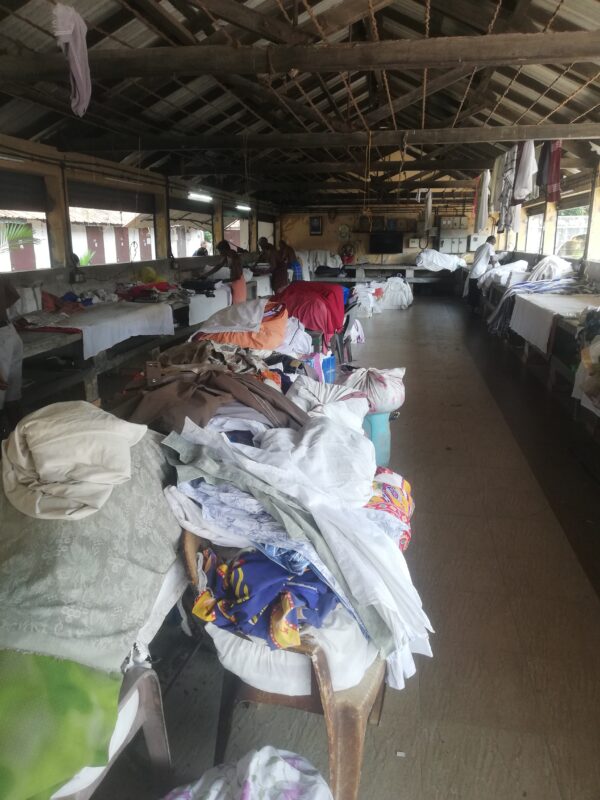
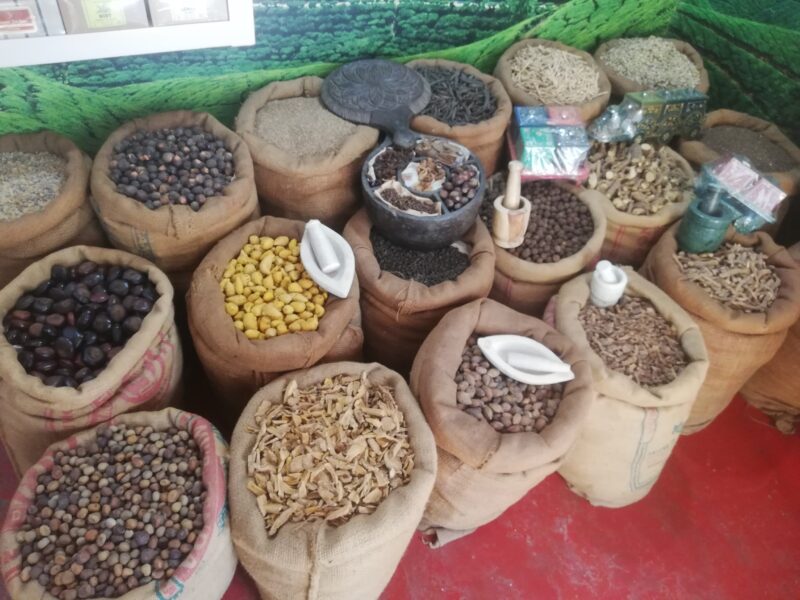
The following day we got a taxi to the Vypin ferry terminal, where we paid 3 rupees each (a total of 6 pence) for the roro ferry ride across to the Old Town. We walked along the coastal road through Vasco di Gama Square with dozens of stalls selling tourist tat and past Fort Kochi (formerly Fort Emmanual) built by the Portuguese in 1503 with only a huge cannon and some crumbling walls remaining. We saw some of the strange fishing nets operated by the tiny Chinese community for centuries and visited David Hall, built in 1665 by the Dutch East India Company. It was named David Hall during the English Colonial Period when it became owned by a member of Kochi’s large Jewish community. We then walked towards St Francis Cathedral where we were persuaded to take a City Tour in a tuk-tuk for 200 rupees (£1.64). It turned out to be 200 per hour! And it involved stopping at shops where the tuk-tuk driver got a stamp from each shop entitling him to a litre of petrol. Much against her better judgement, Jennifer bought a beautiful silk carpet after haggling the price down by about 40%, and some coffee and pepper at a spice shop. We refused to buy some perfume at another shop, but we were given a little complimentary bottle. During the tour, we visited St Francis Church where we saw the tomb of Vasco di Gama, a clothes washing establishment where people took their clothes to be handwashed, a Hindu temple (which we couldn’t enter), the Basilica, and the remnants of the Jewish Ghetto (which is inhabited by Kochi’s last remaining Jew).
A note about religion and politics; Hindus account for 43% of the population, Christians for 38% and Moslems 18%, making Kochi the most Christianised city in India. There is an election taking place in the near future and it is a two-horse race for the winner of the Kochi seat in the Kerala Legislative Assembly between the current MLA, K.J.Maxi of the Left Democratic Front (an alliance of the Communist Party Marxist, the Communist Party of India and some smaller parties) and the United Democratic Front consisting of part of the Congress Party and some smaller groups. At present, campaigning consists of the erection of huge numbers of posters and billboards showing the LDF and UDF leaders with cheesey grins, with (as far as I can see) LDF posters predominant in Moslem and Christian areas and UDF posters in Hindu areas.
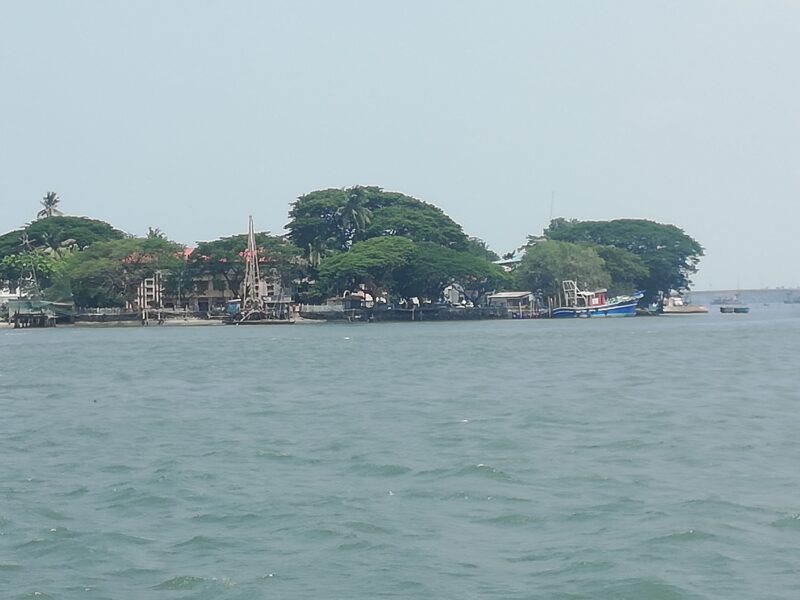
Ferry crossing to the Old Town
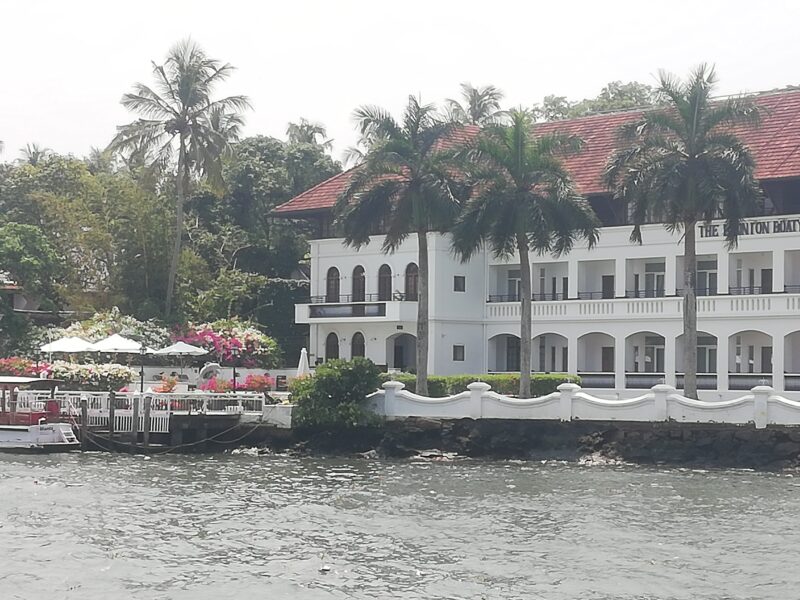
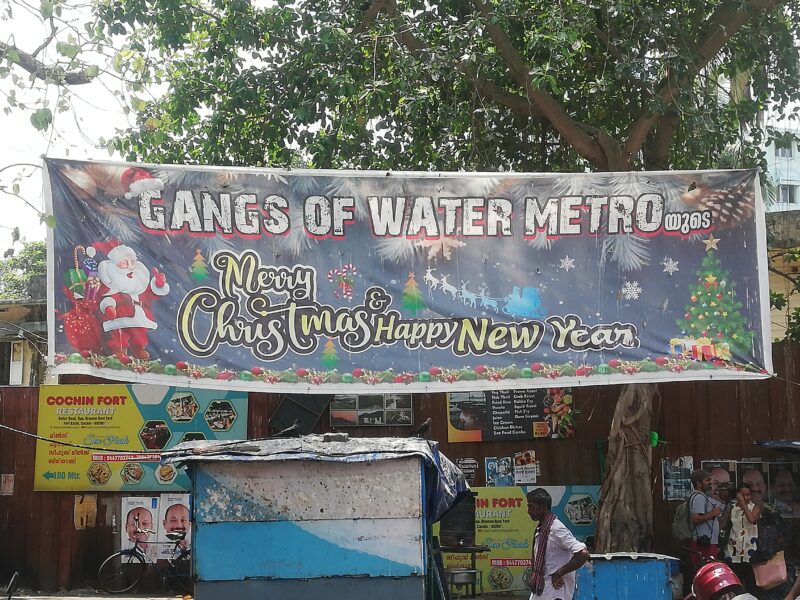
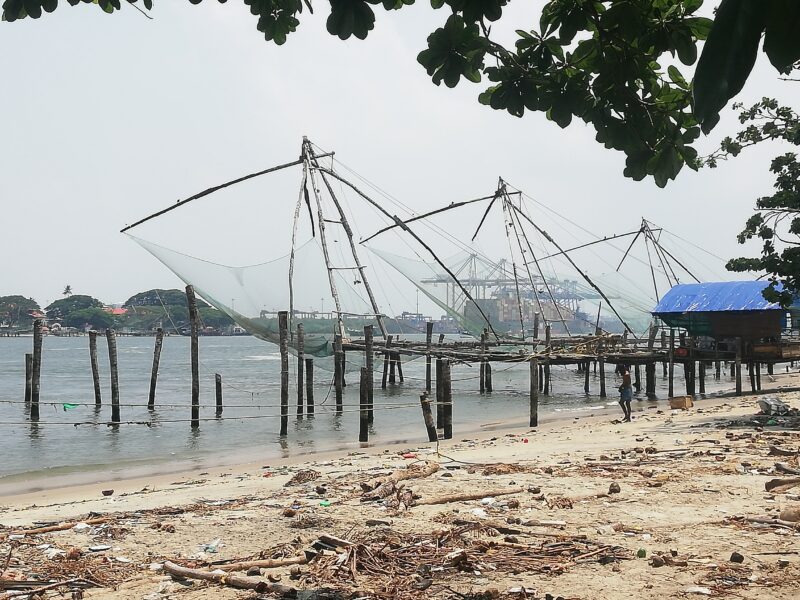
Chinese fishing nets
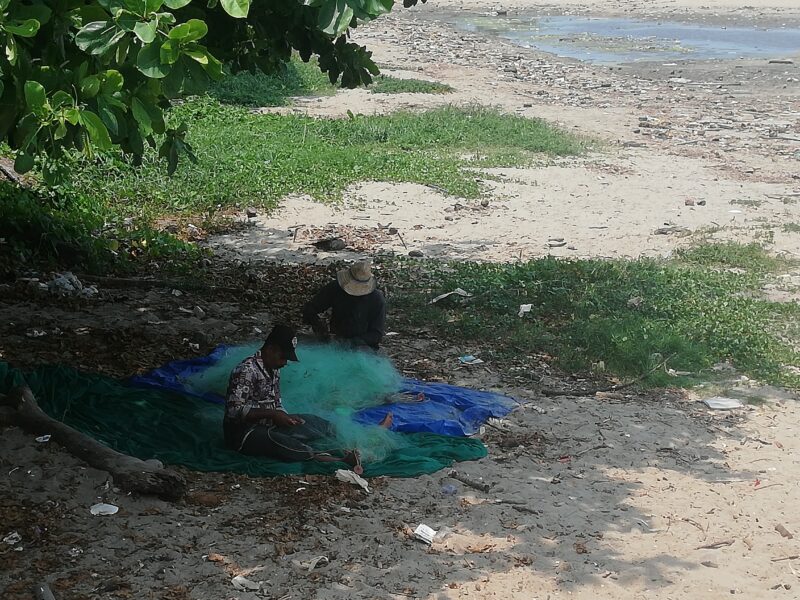
Fishermen mending nets
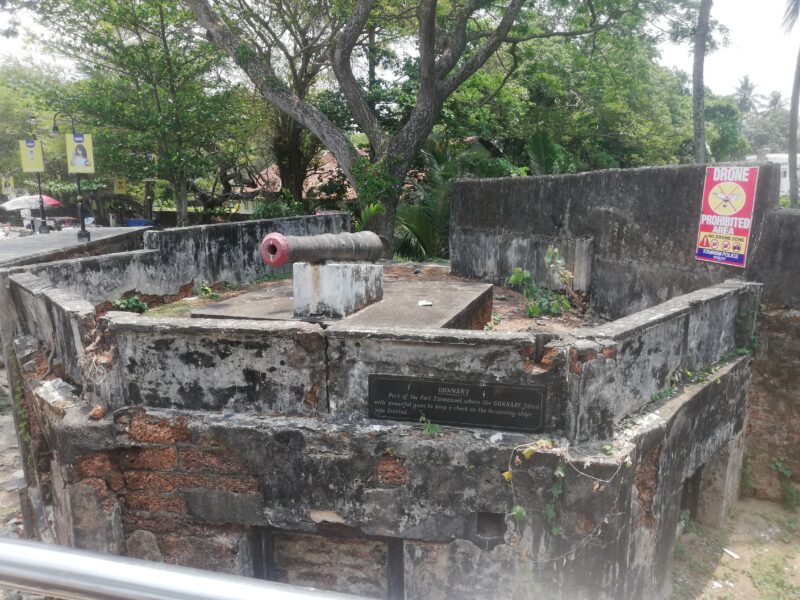
Fort Kochi

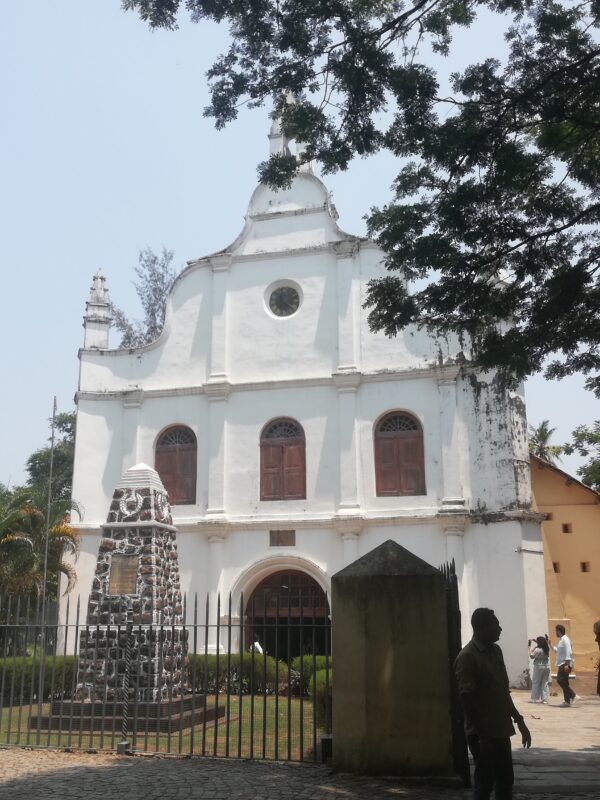
St Francis Cathedral
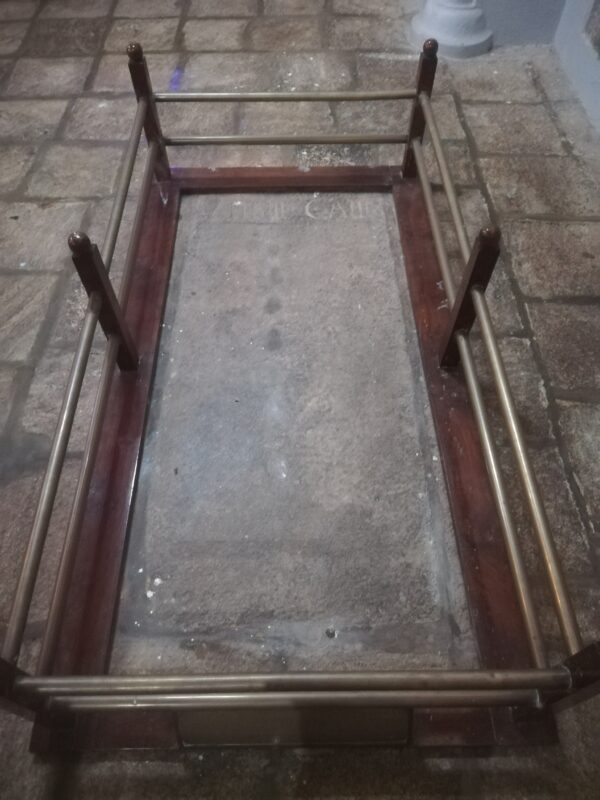
Vasco di Gamas tomb
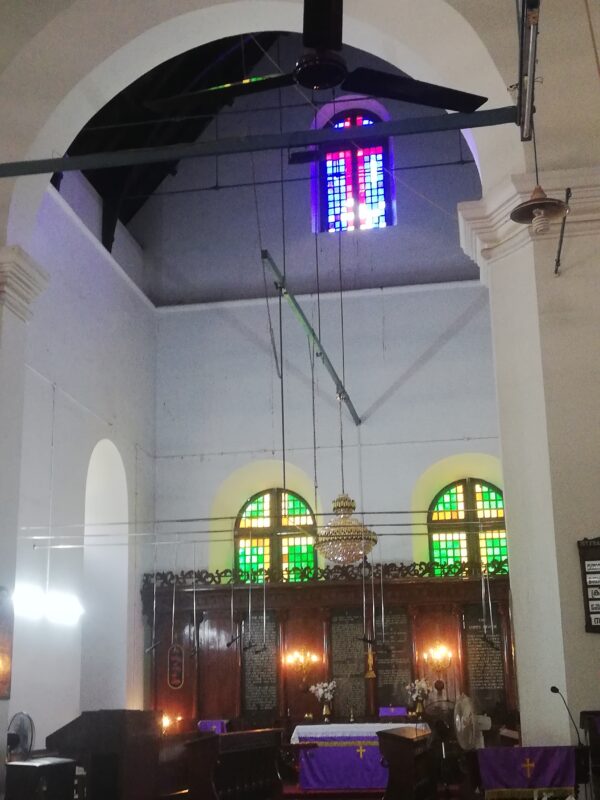
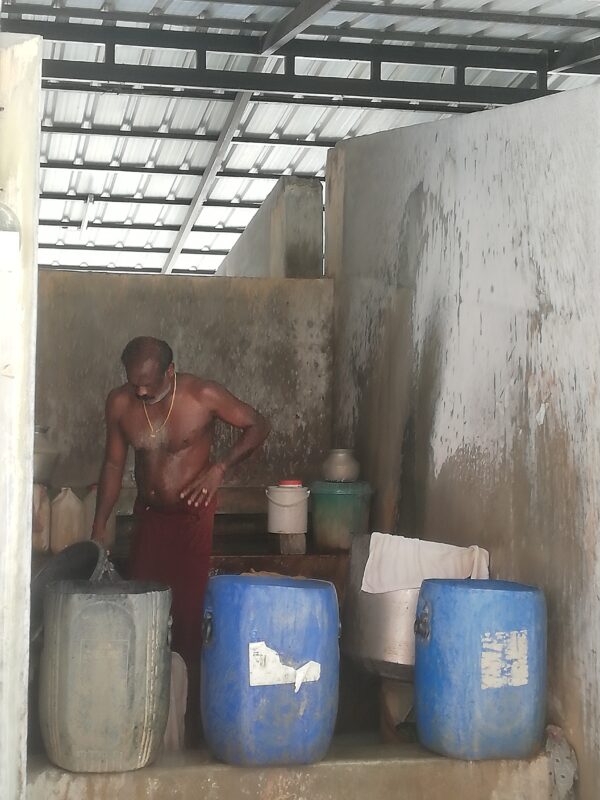
The Dhobi Khana (public wash house)
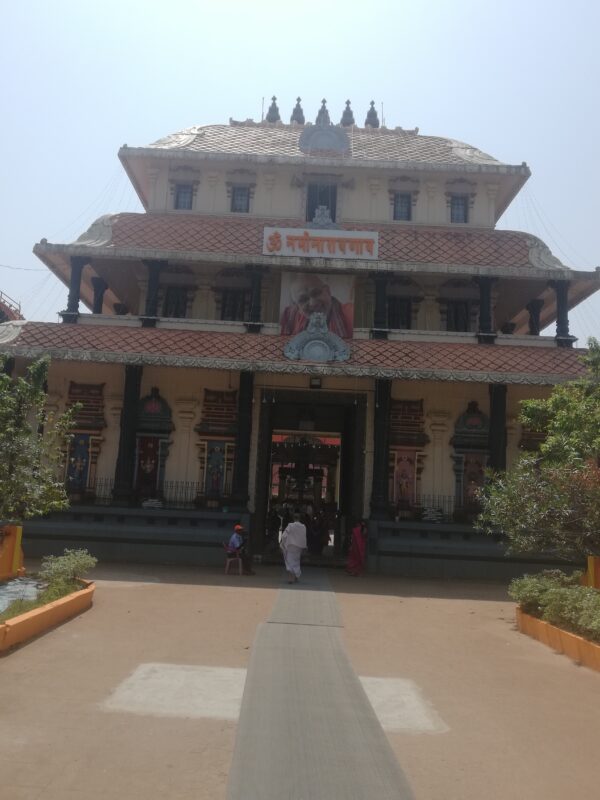
Hindu temple
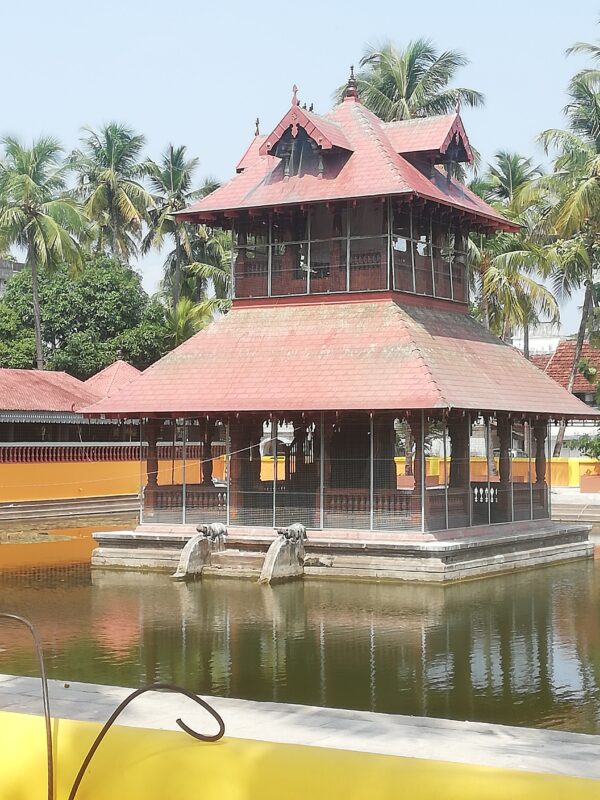
Lake at Hindu temple

Spice shop
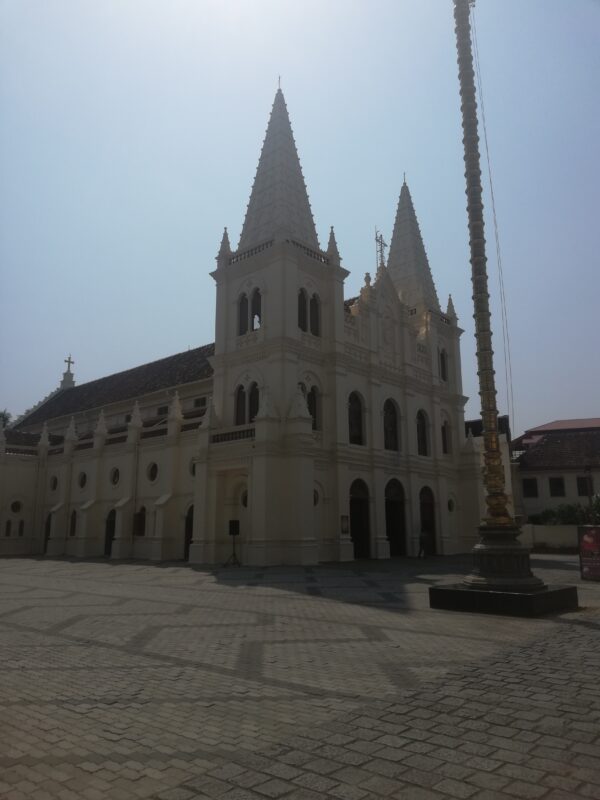
Basilica
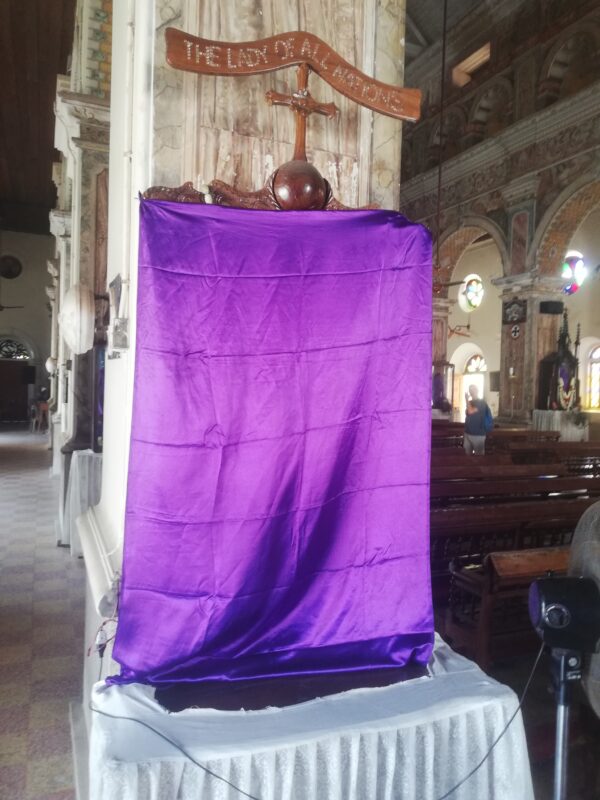
Things covered up for Lent at the Basilica
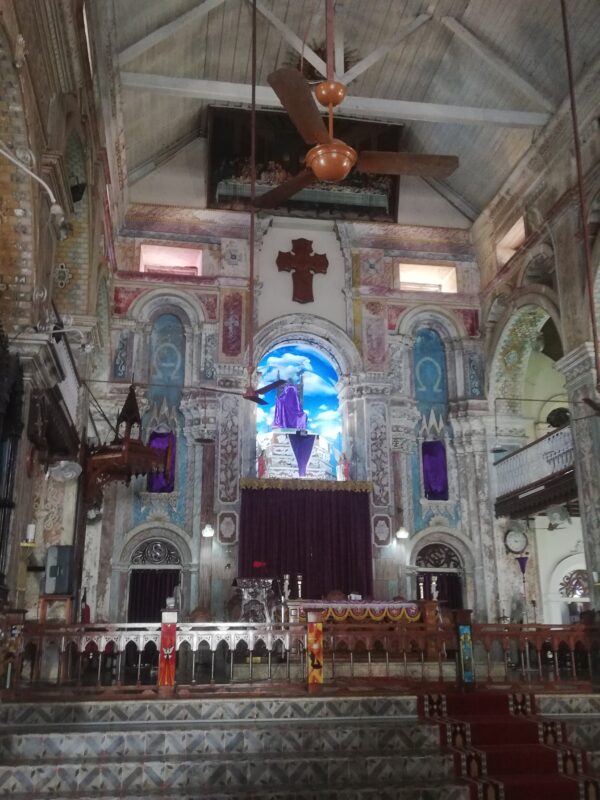
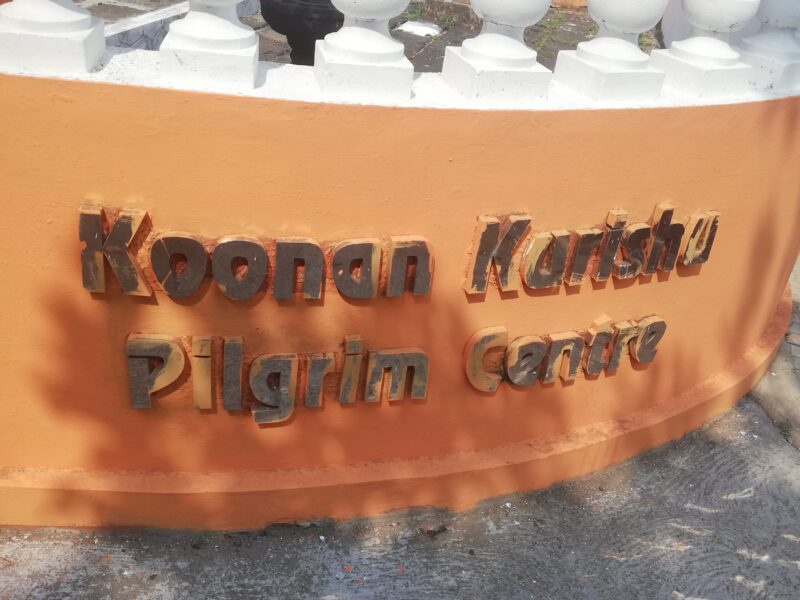
Another church
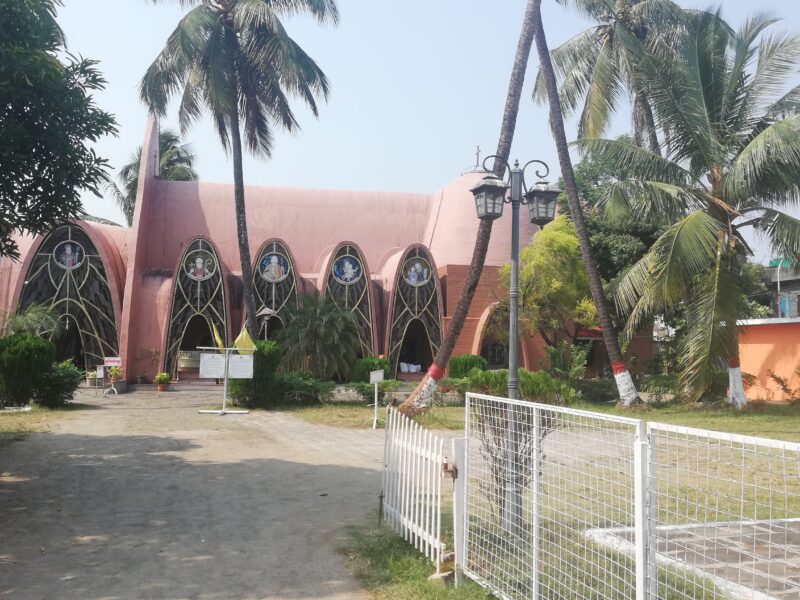
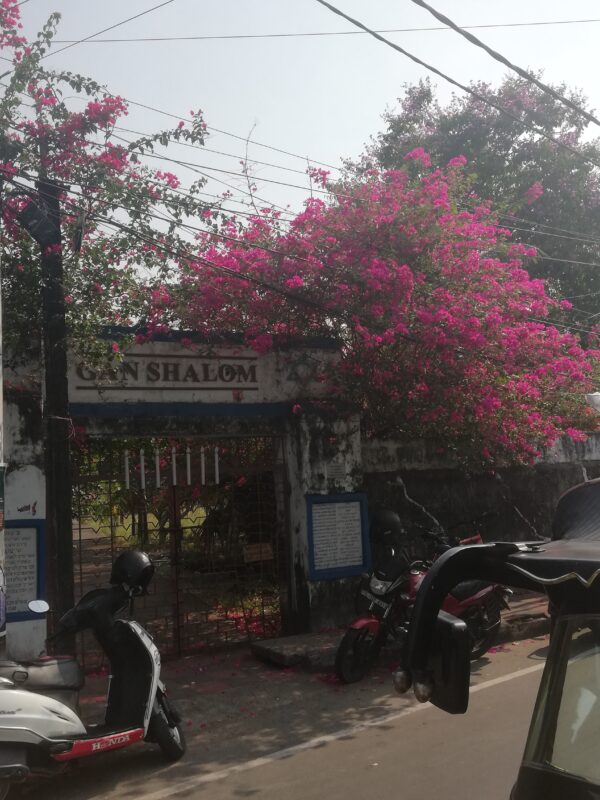
Jewish cemetery
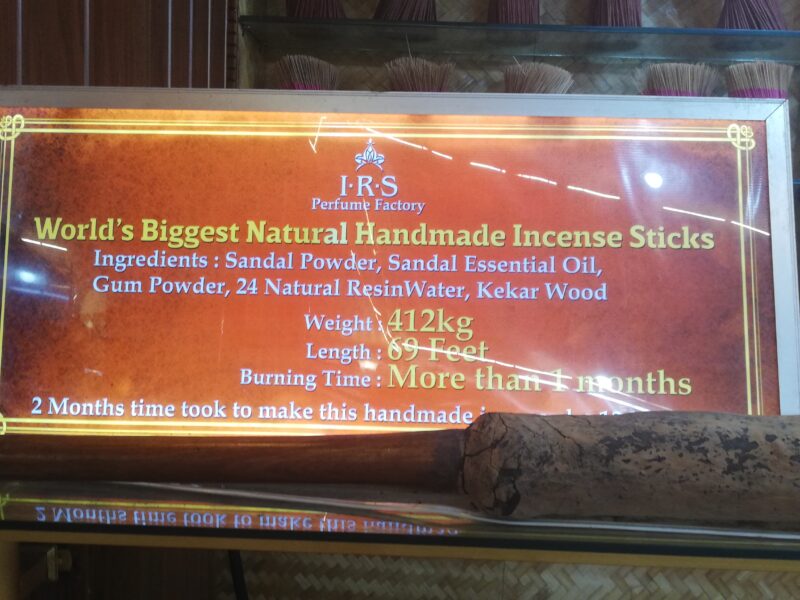
Perfume shop
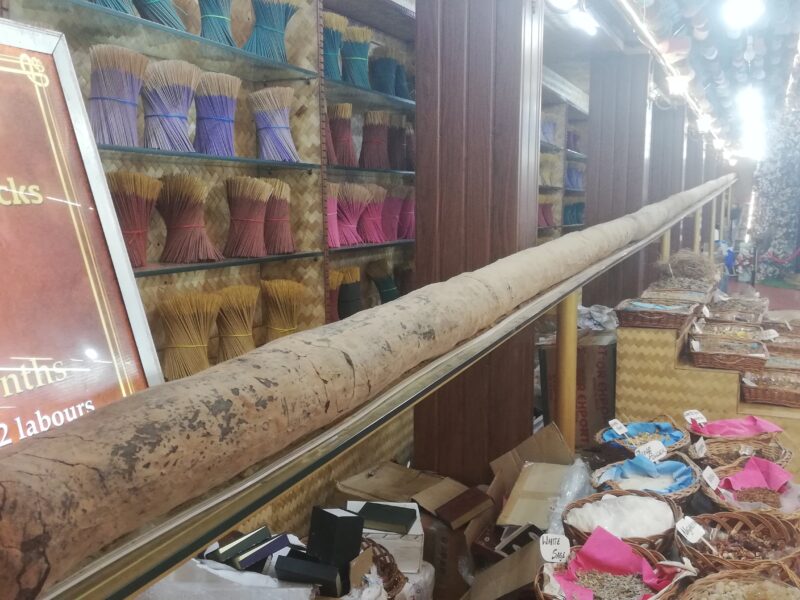
World’s biggest incense stick
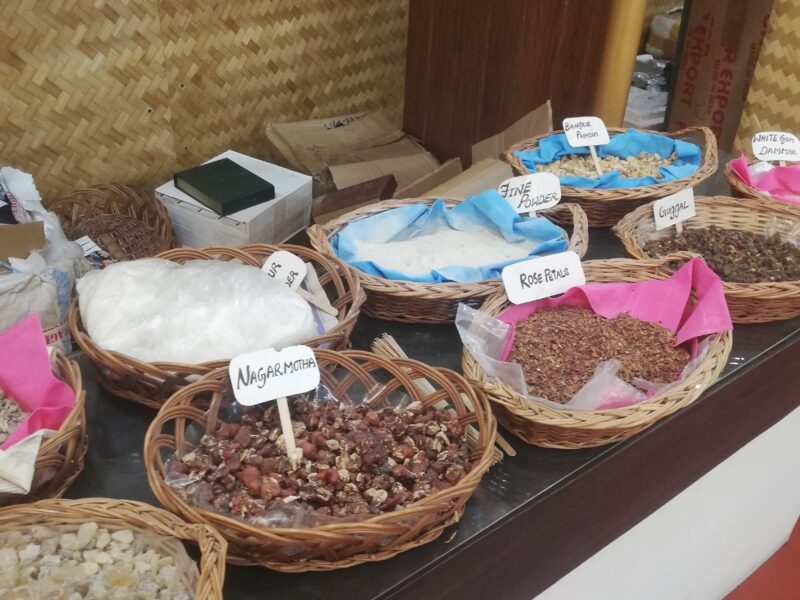
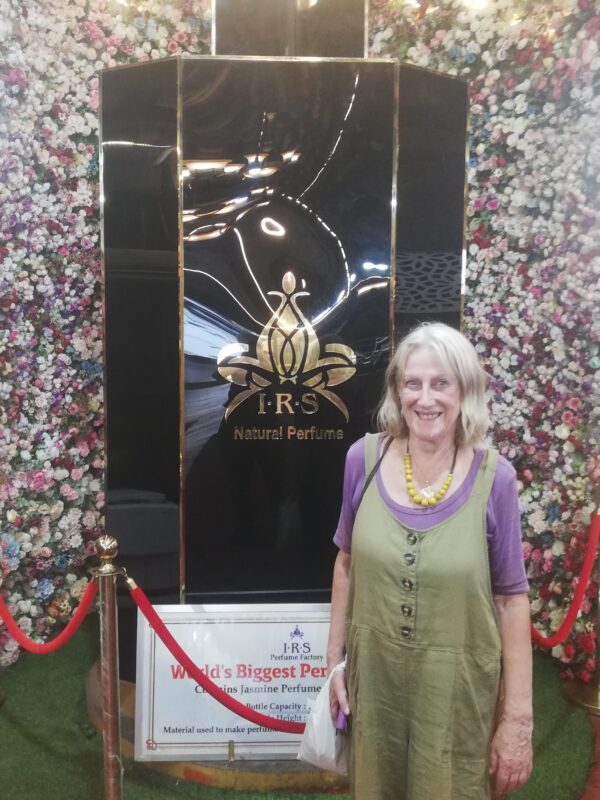
World’s biggest perfume bottle
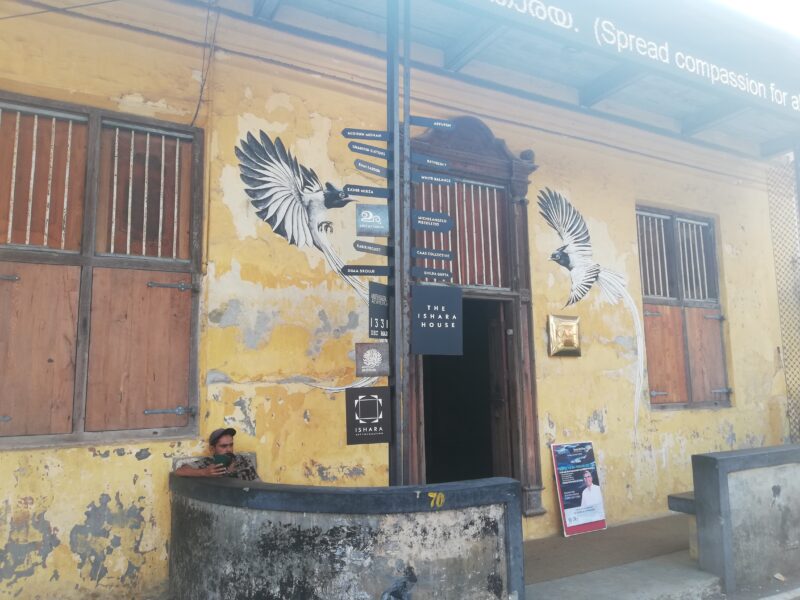
Oldest house in Jew Town
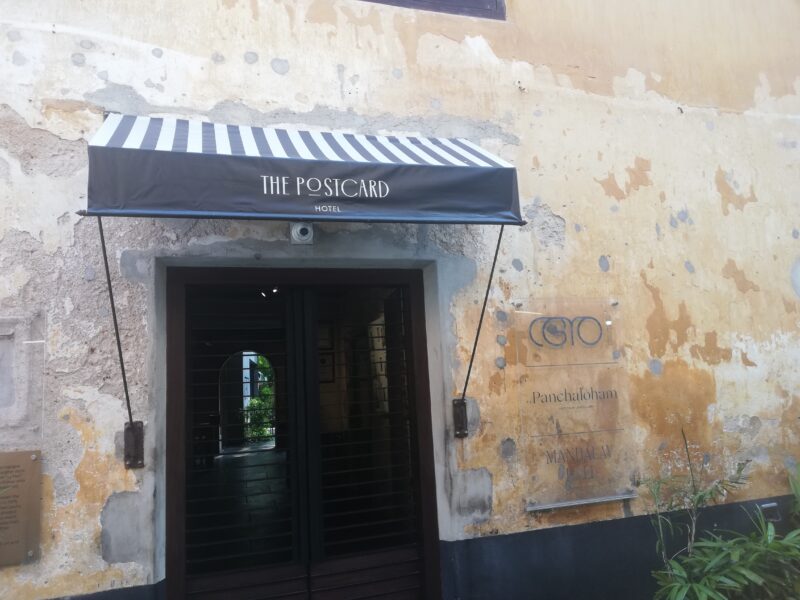
Last inhabited house in Jew Town
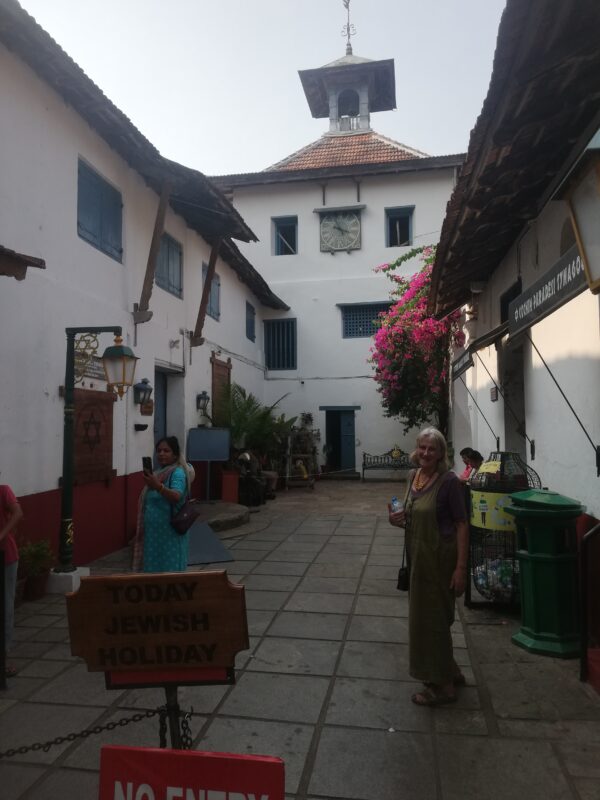
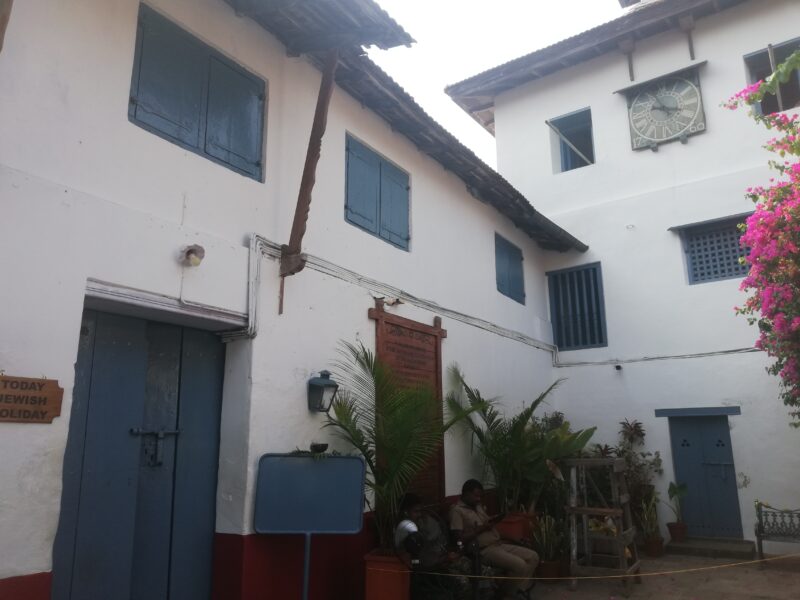
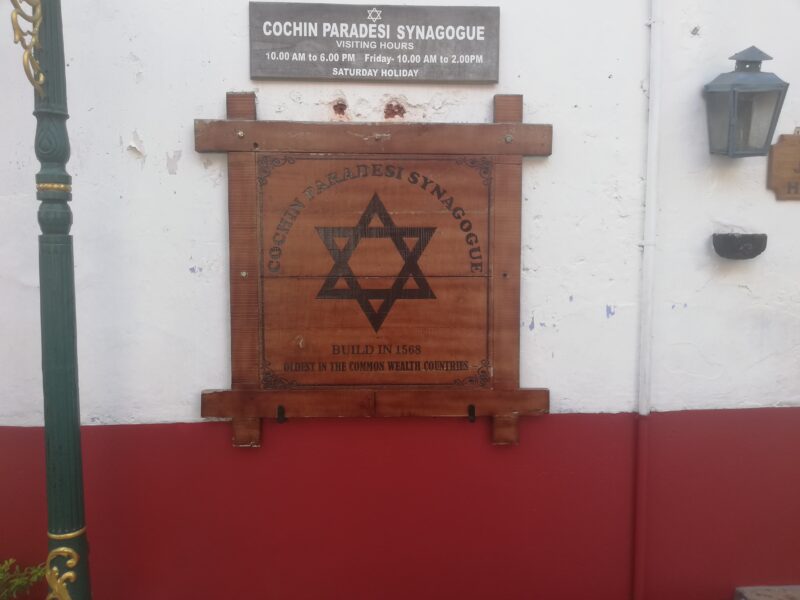
Synagogue
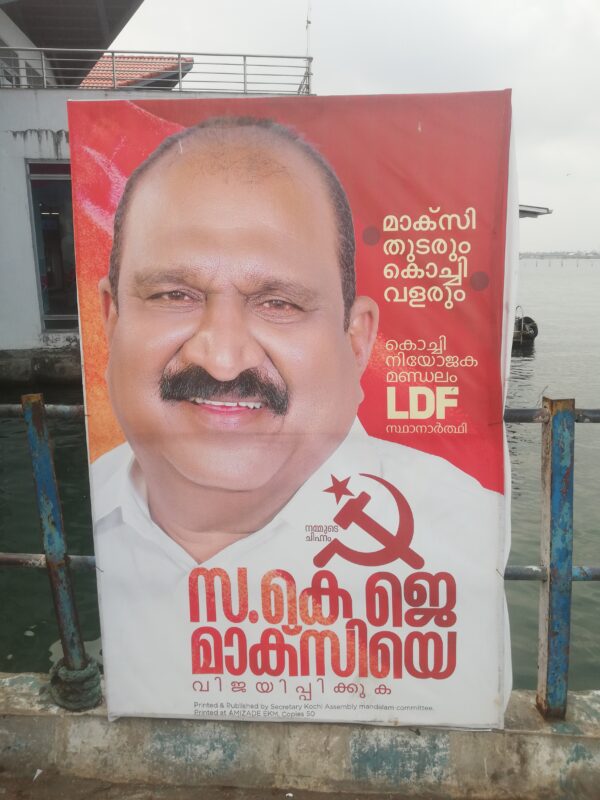
Predicted winner of election