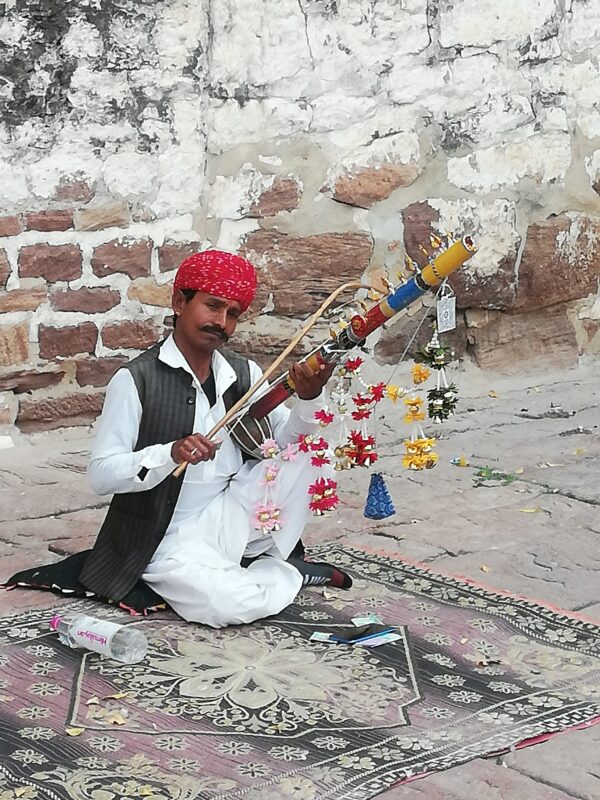
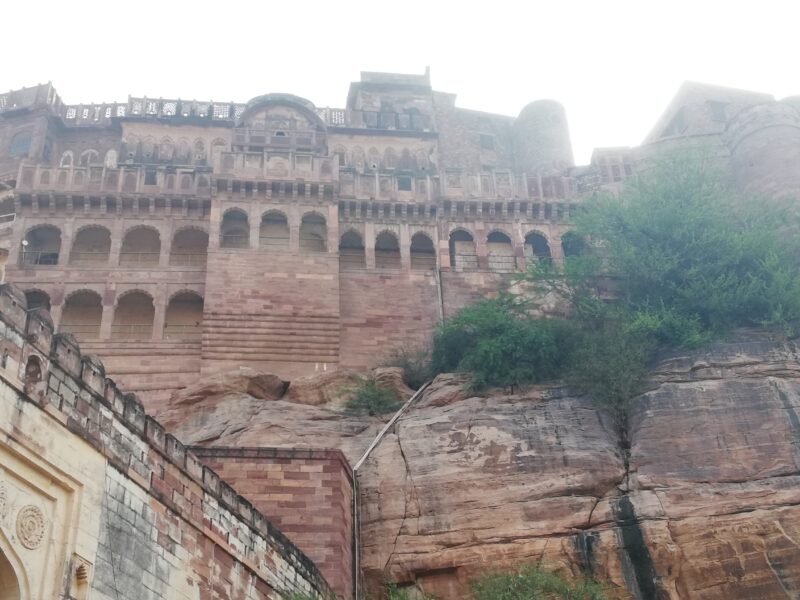
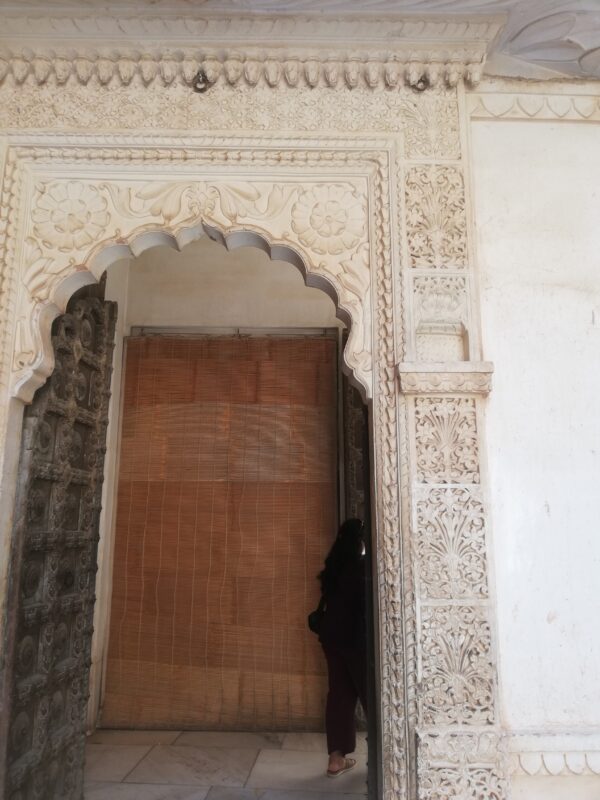
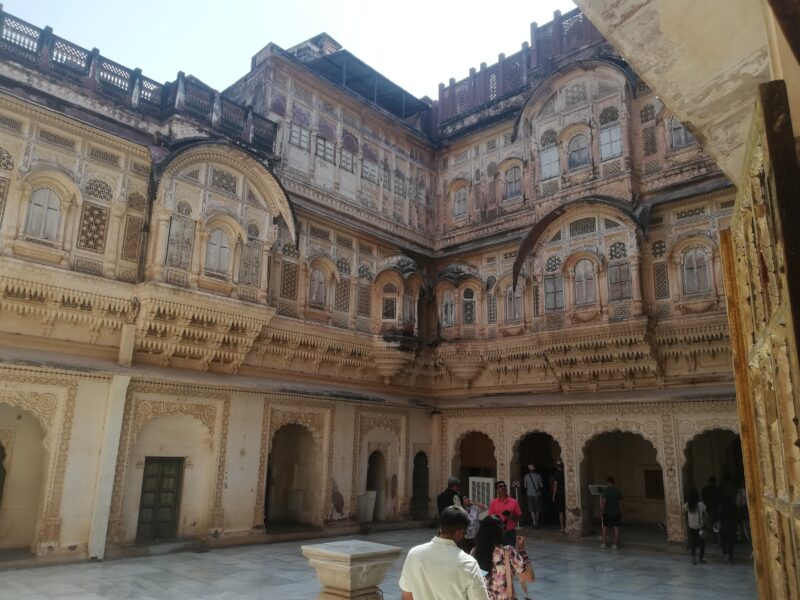
This morning we visited the Mehrangarh Fort at Jodhpur. Having seen forts in Delhi, Agra, Jaipur, Chittorgarh and Bundi, I wasn’t exactly looking forward to it, but it was brilliant. The main gate still had marks in it created by cannons during an attack on the fort in the 17th century. Refusing to join the wimps going to the top in a lift, we struggled up the steep path into the fort, pausing to buy some presents from a shop and listen to some old bloke playing a strange stringed instrument. We noticed a stone in the wall with Sanskrit writing and learned that it marked the spot where a human sacrifice took place. The wall kept falling down during its construction, and a mystic claimed that if someone was entombed alive, the problem would be solved. Some hero (or idiot) allegedly volunteered. We then turned a sharp corner (designed to prevent an invader’s elephants from getting momentum to batter down the door into the fort) and noticed the sharp spikes on the door to deter any elephant that got that far. There was a tree called the “toothbrush tree” because its leaves made an excellent toothpaste, said to cure bleeding gums, and the wood was used to make toothbrushes. Mukesh said he used these toothbrushes when he was a child.
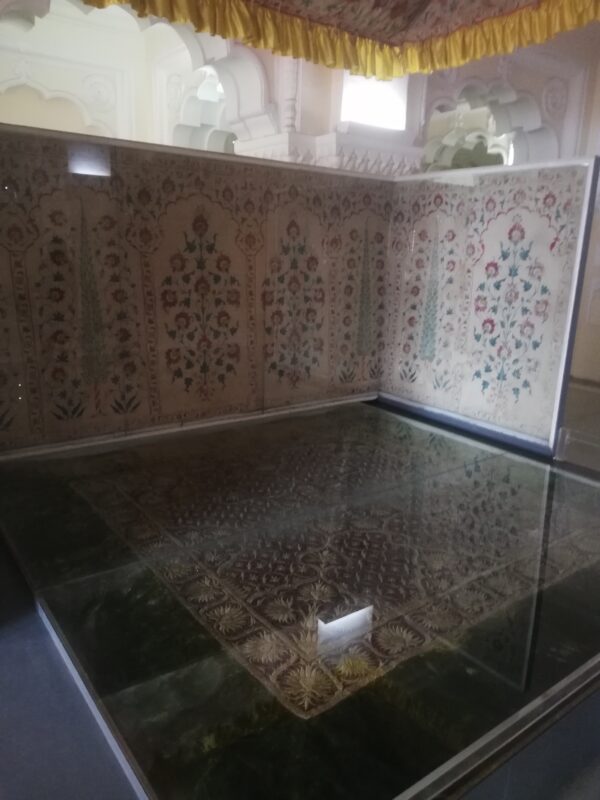
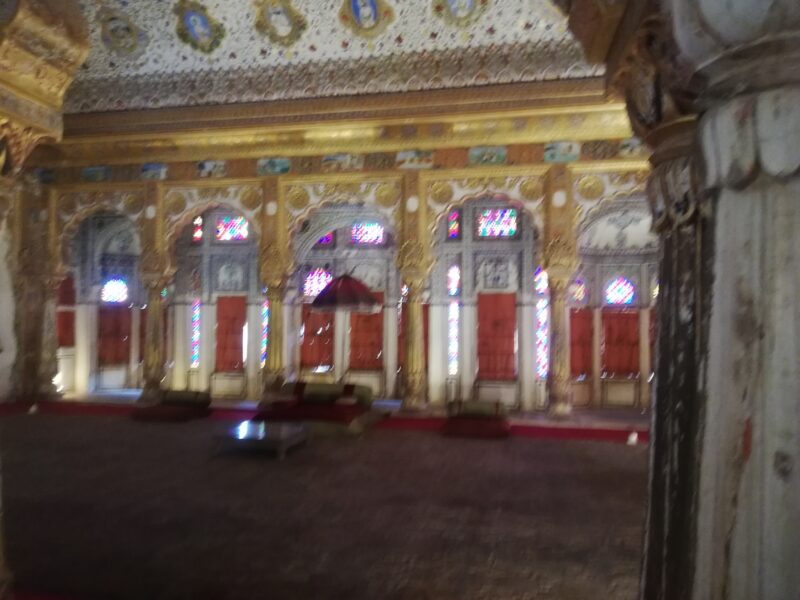
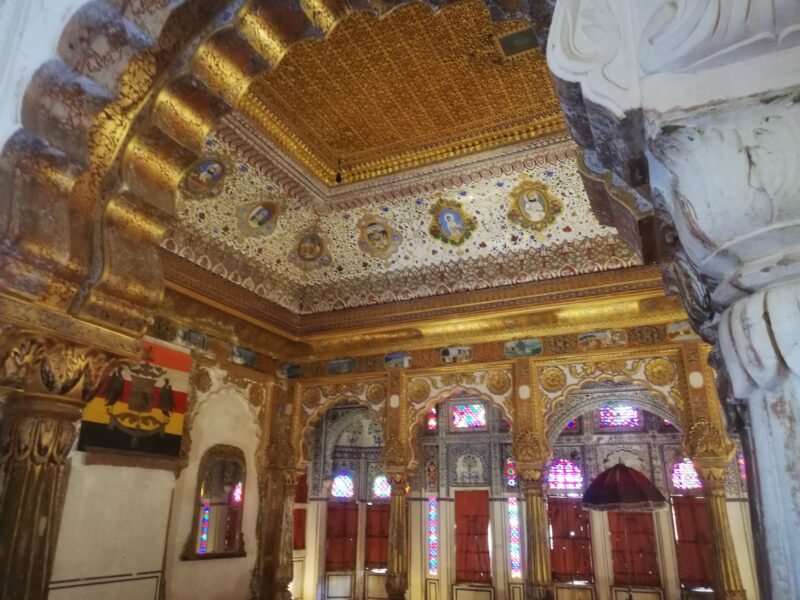
We then passed through a succession of courtyards and rooms including a splendid room where generations of maharajahs were crowned. There is a sad account of one elderly bloke who married a teenage girl in 1843 and died three weeks later. Perhaps he fornicated himself to death. However he had a splendid funeral with a long procession of maharajahs from other states, courtiers, administrators, palace staff, military bods and ordinary citizens marching down from the palace with horses and elephants to the beating of drums and blowing of horns to a square in the town where his funeral pyre had been built. The only woman present was his young bride who suffered suti, the last person to die in this way in Rajasthan. She was probably drugged with opium which was widely used in those days. We saw a hookah which had been used for smoking opium. The fort’s museum had a display of swords including one belonging to the Mughal emperor Akbar and manufactured in 1560.
We then drove to Jaisalmer and noticed many cars were displaying flags. Several vehicles had model horses strapped to the roof and Mukesh explained that a famous temple between Jaisalmer and Bikaner was celebrating the birthday of a God who had some sort of connection with horses.
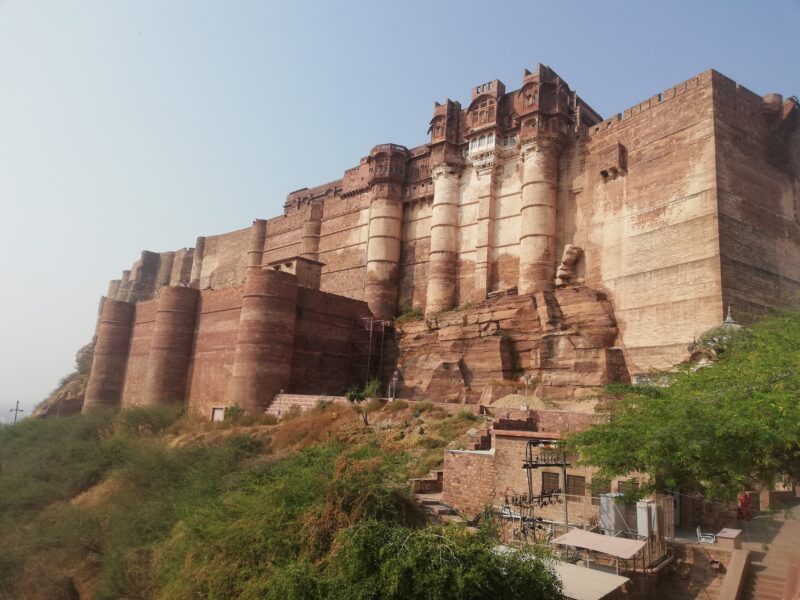
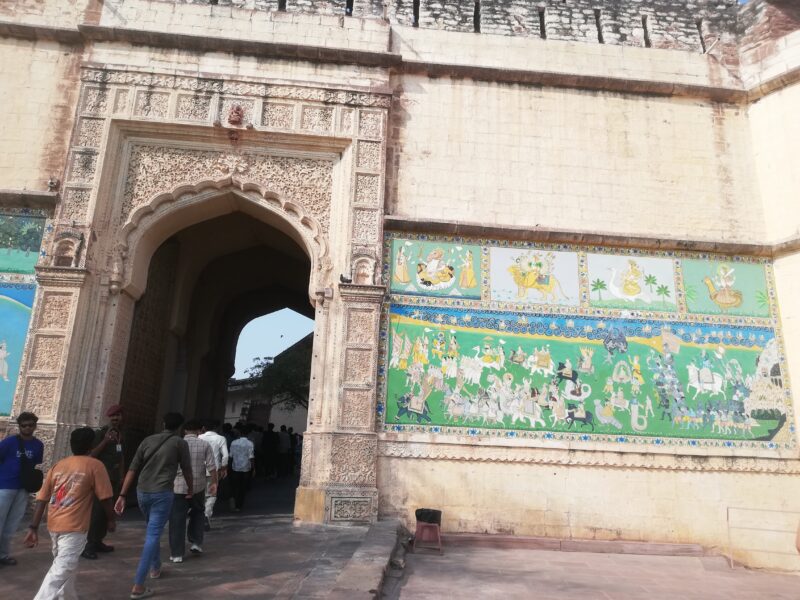
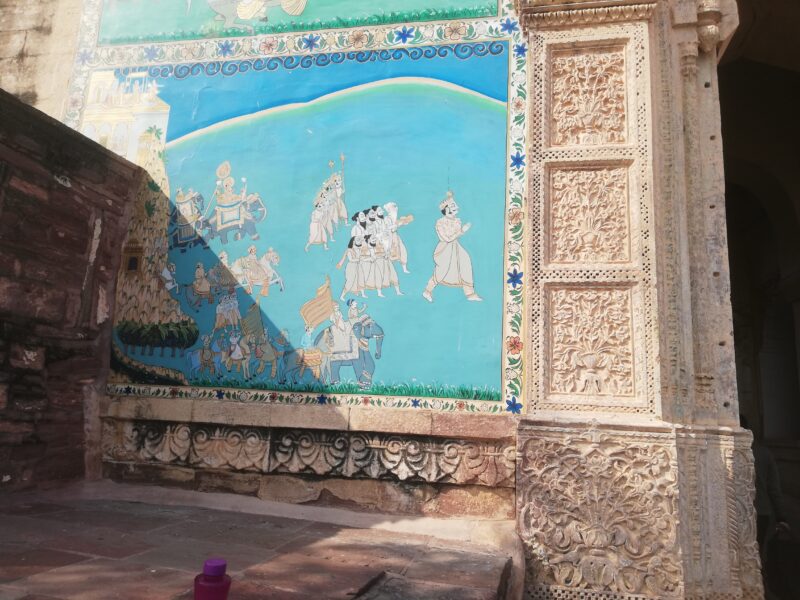
Main gate
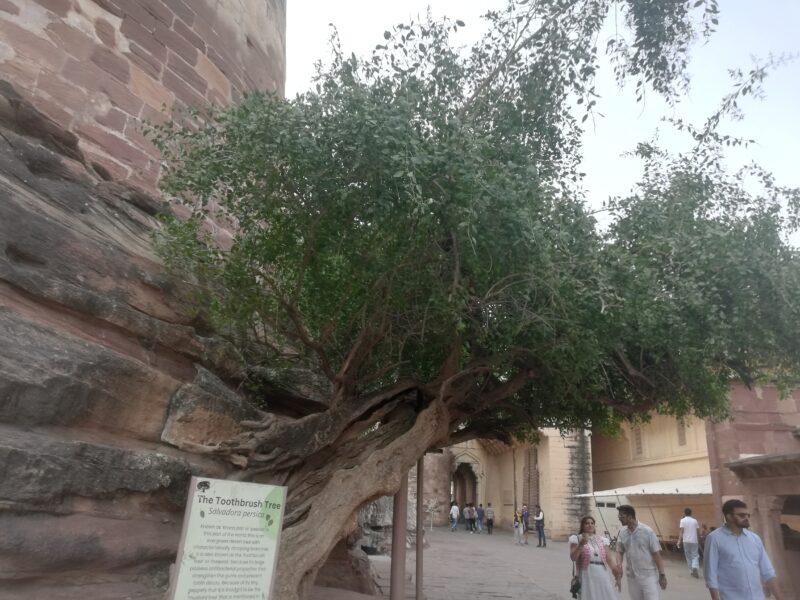
Toothbrush tree
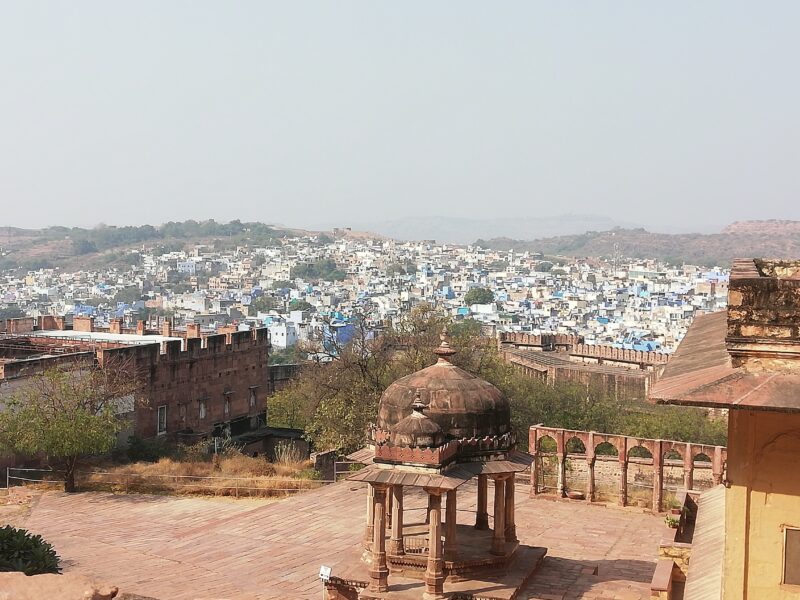
The Blue City
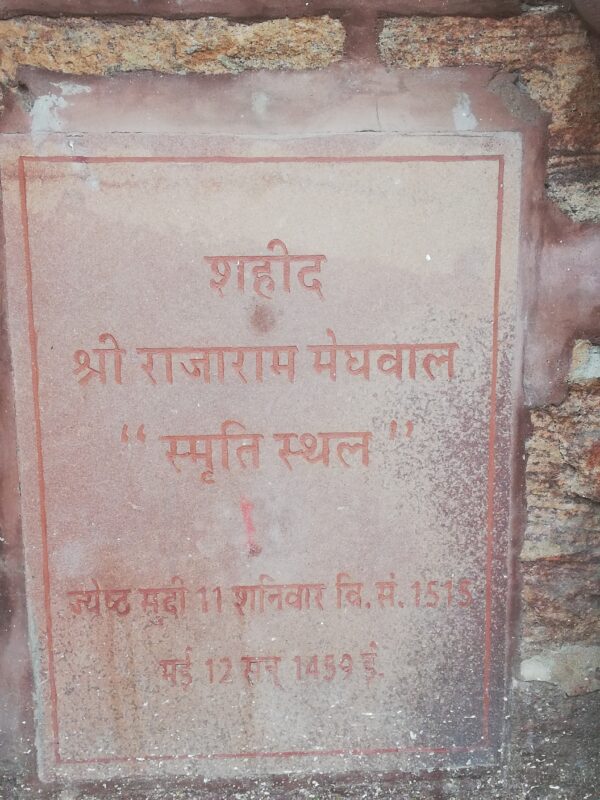
Placed where man was interred in the wall
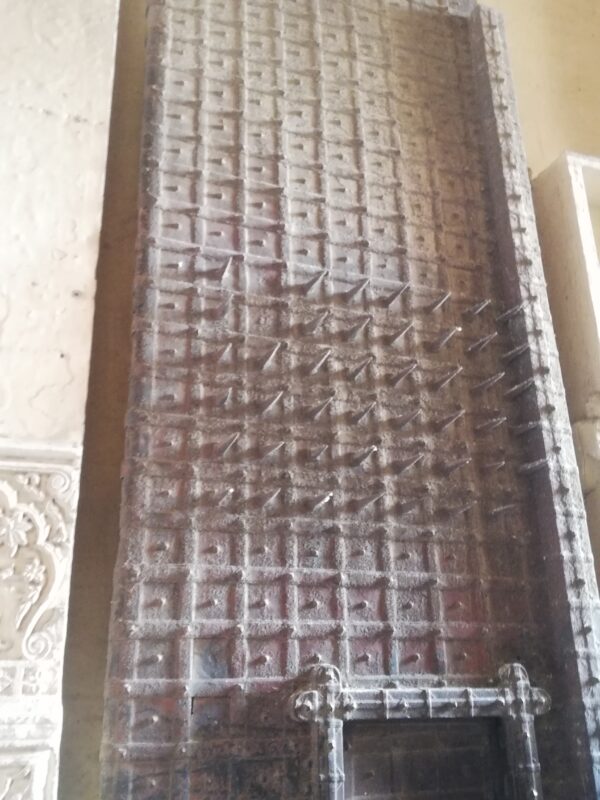
Spiked gate
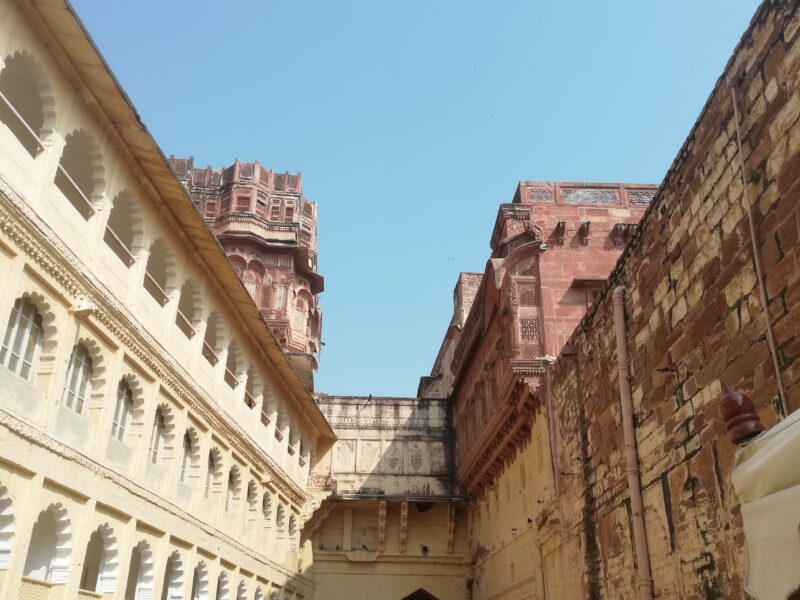
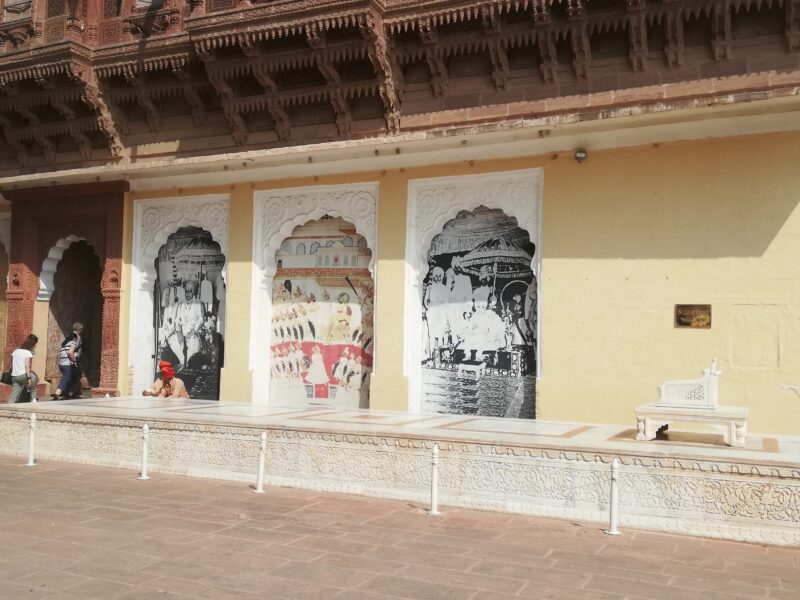
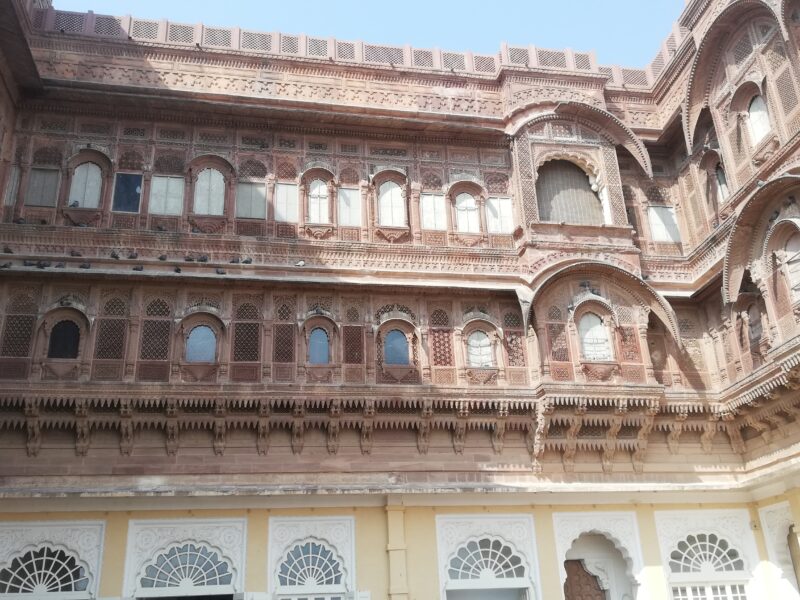
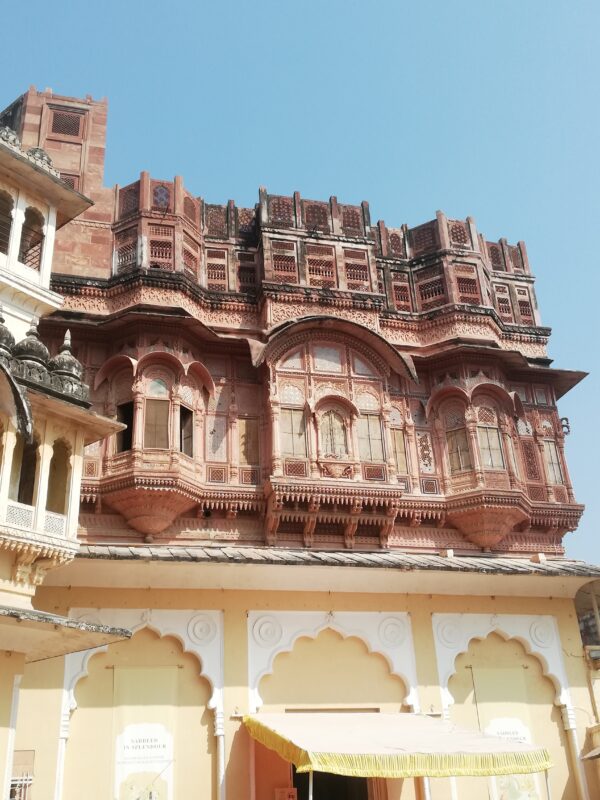
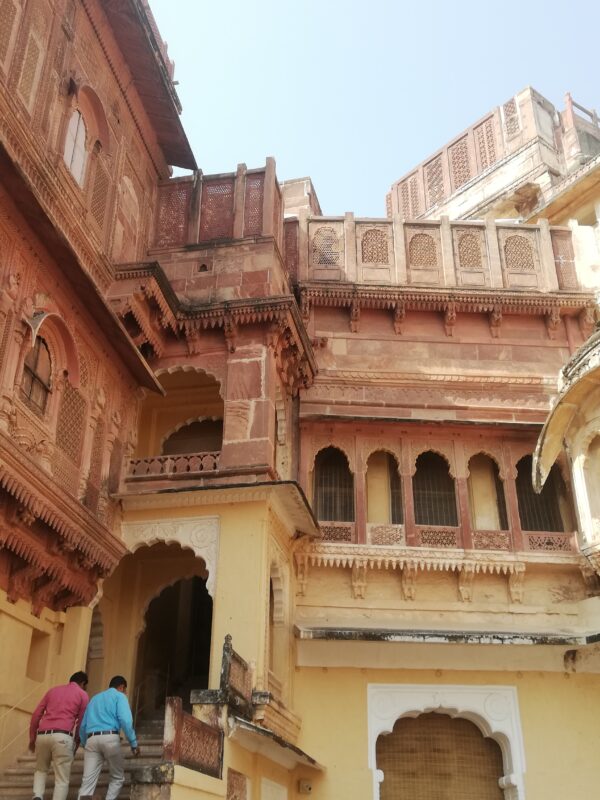
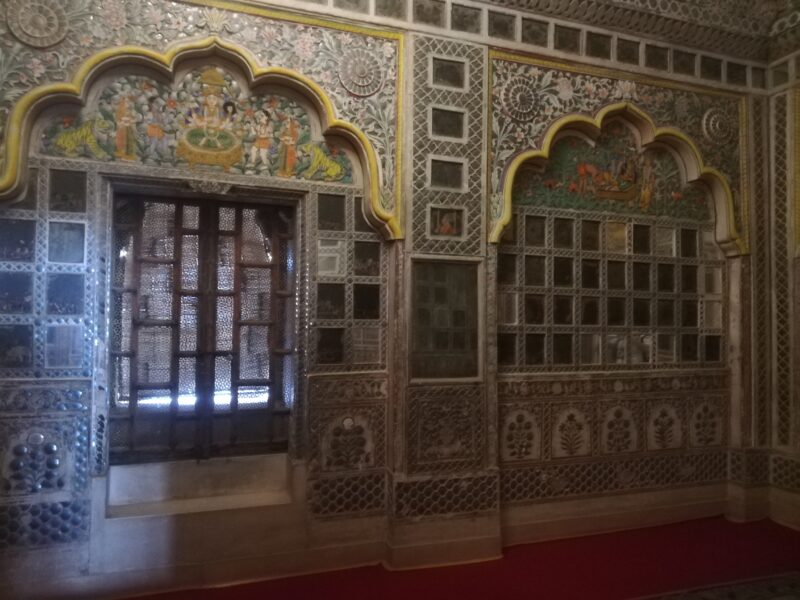
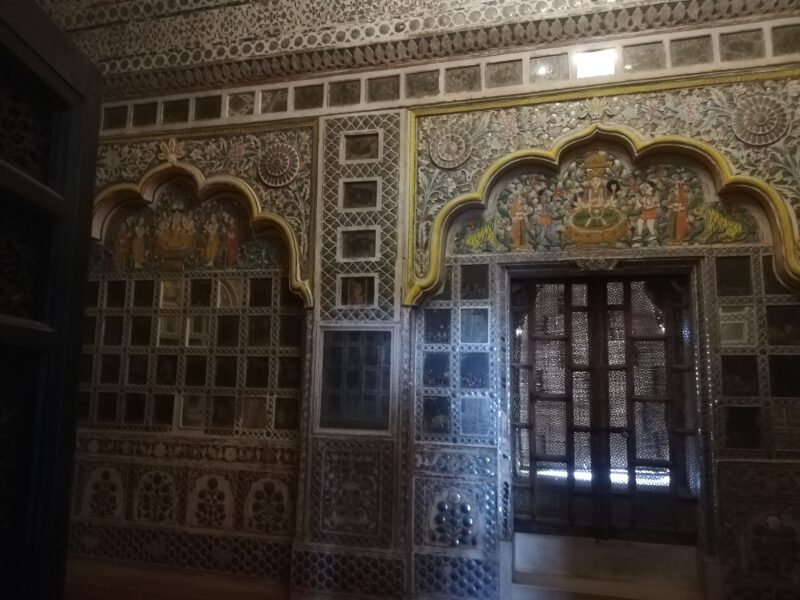
The Zanana where women in purdah could look through one-way windows into the courtyard
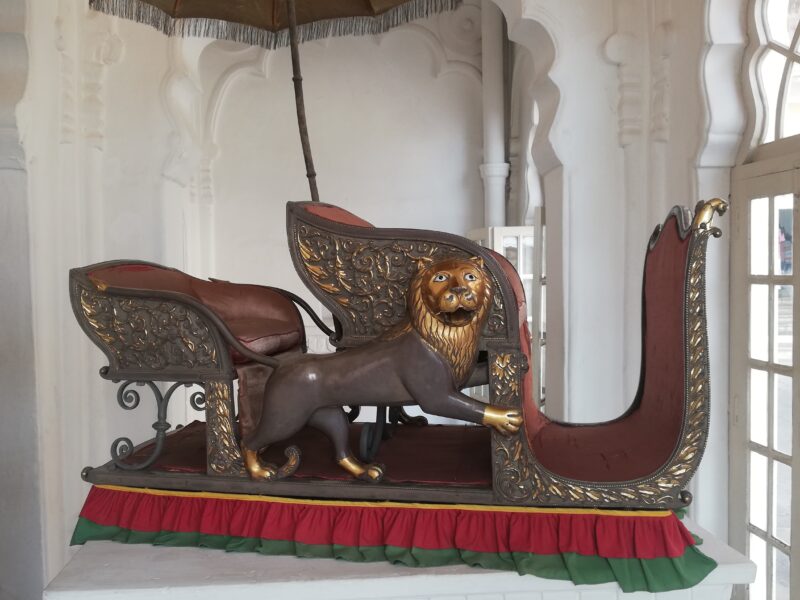
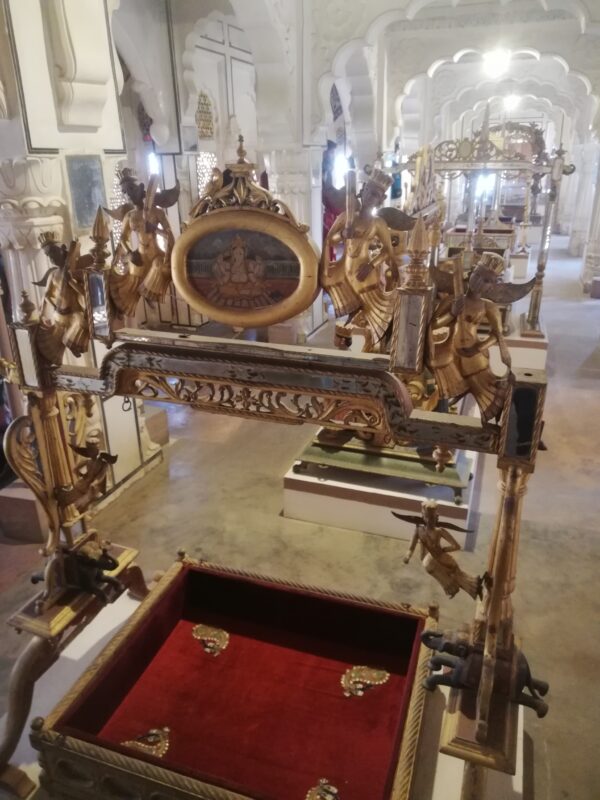
Howdah for riding an elephant
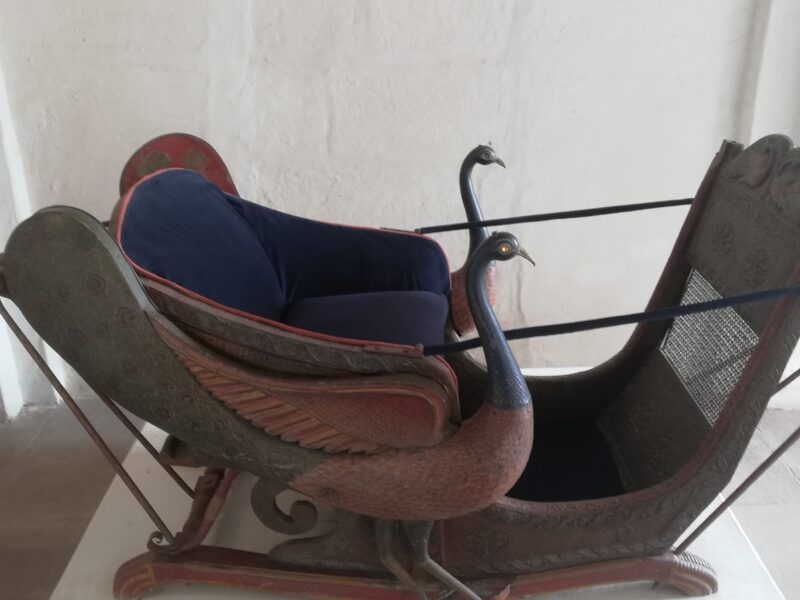

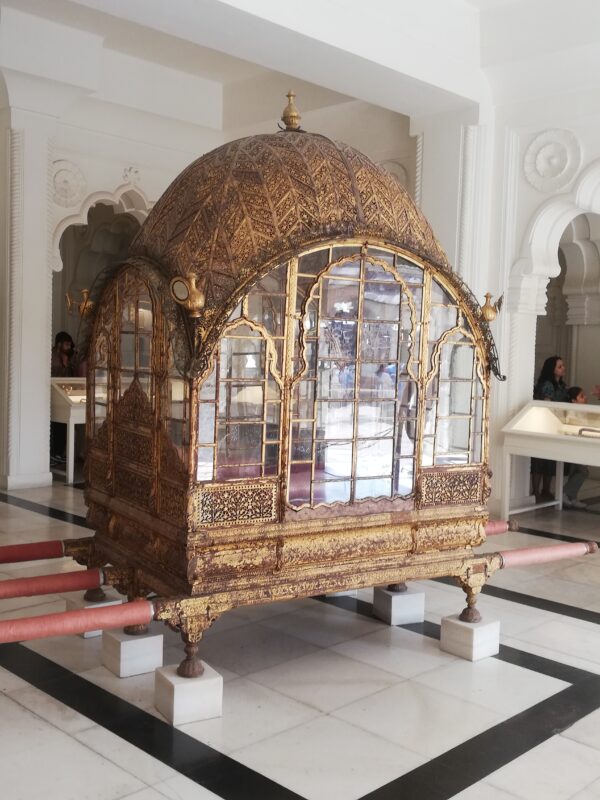
Carriage
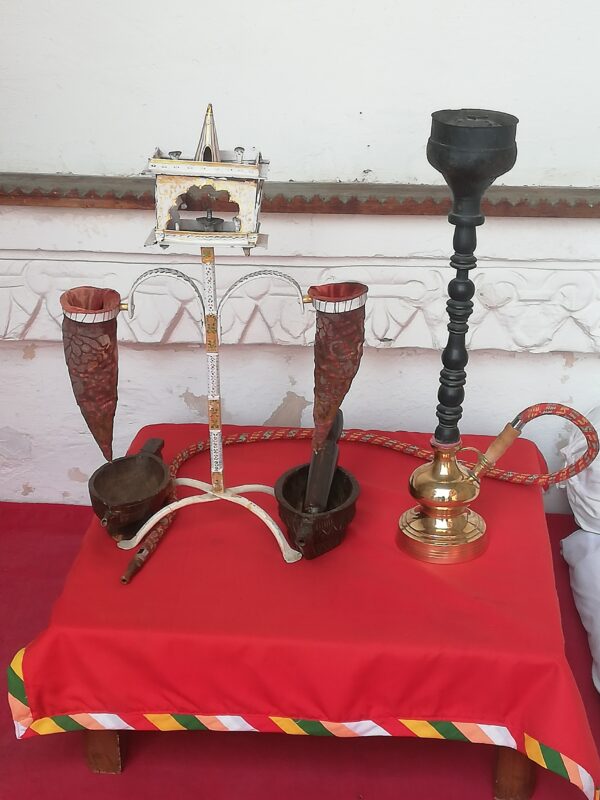
Hookah
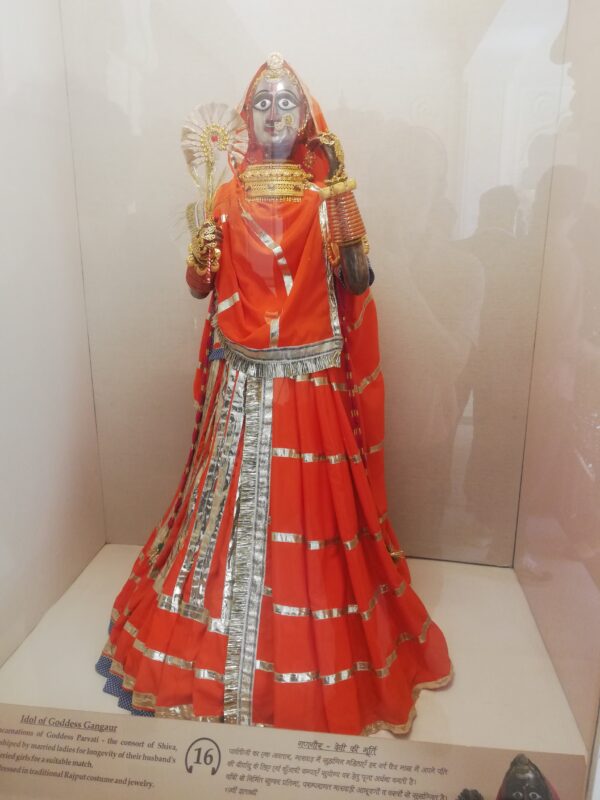
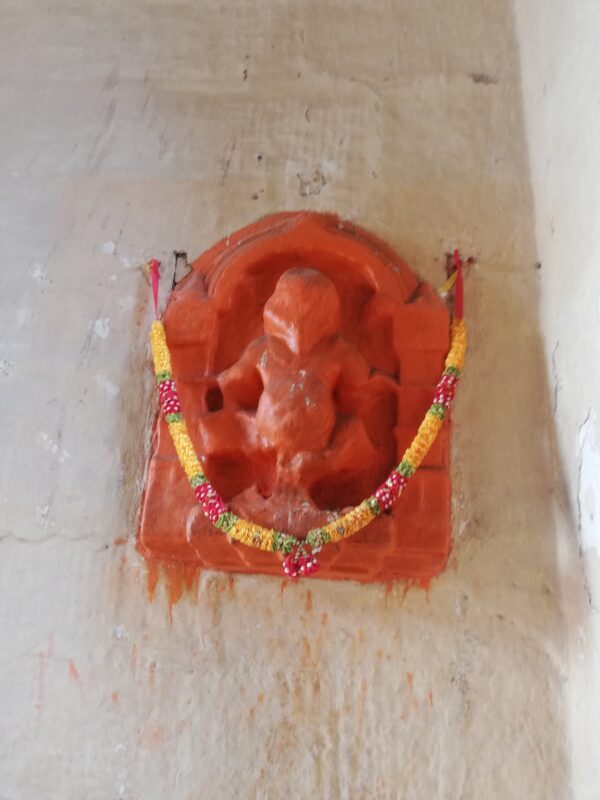
Idol of the Goddess Gangaur
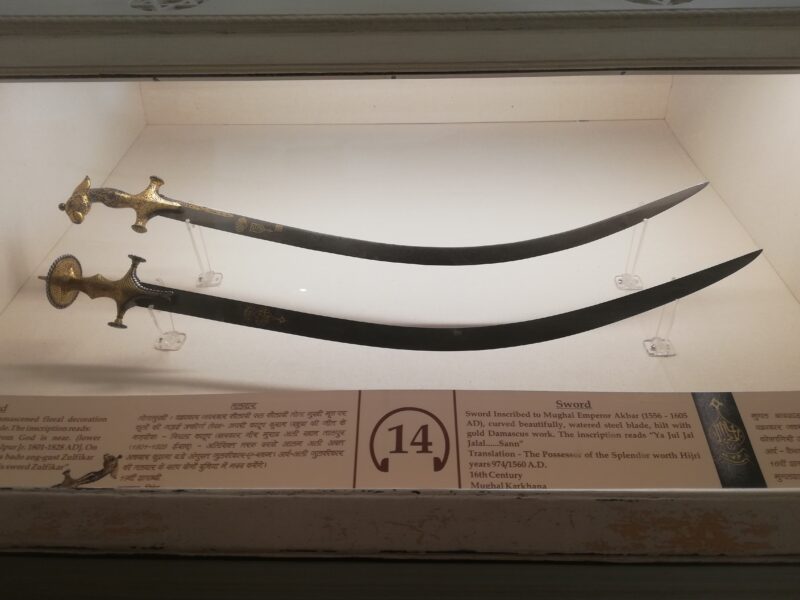
Akbar’s sword


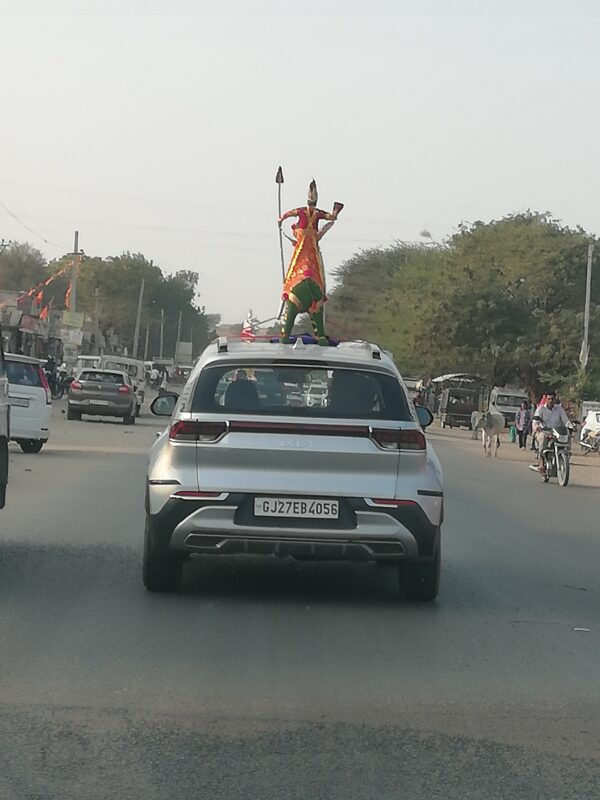
Horse on car
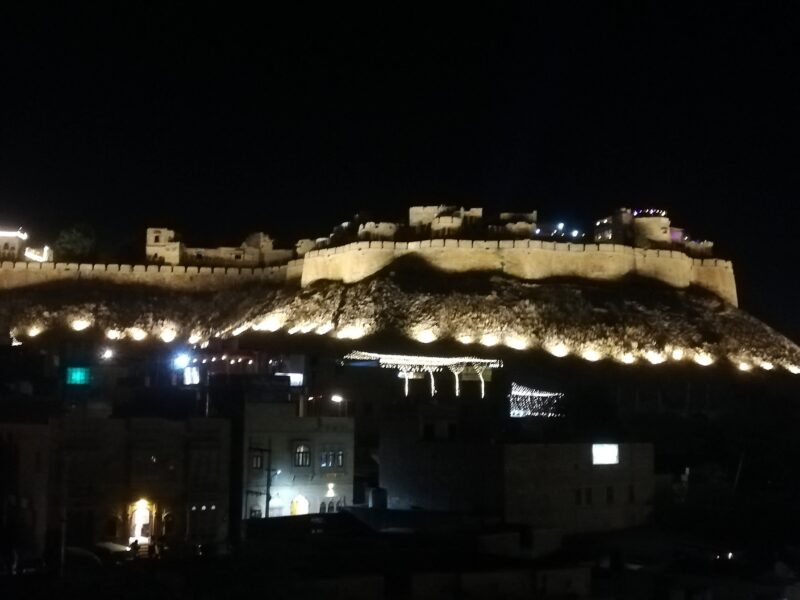
Fort from hotel rsturant