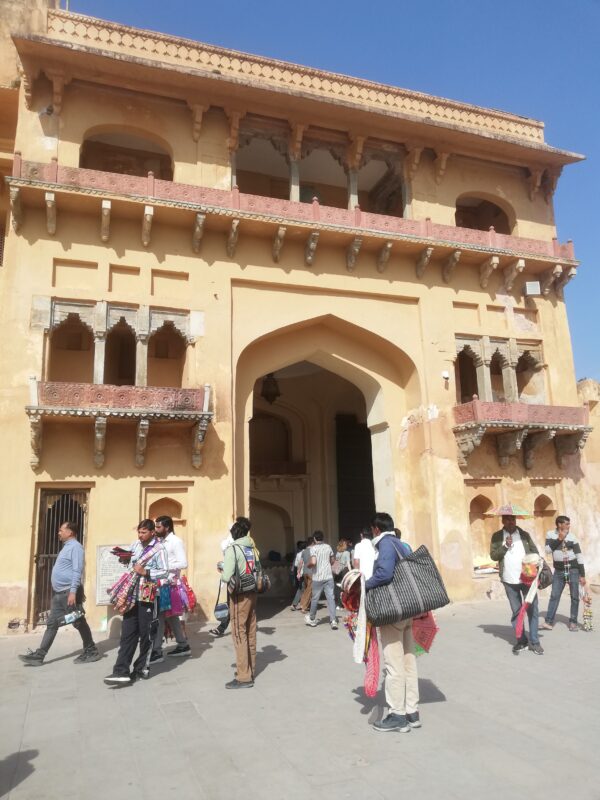
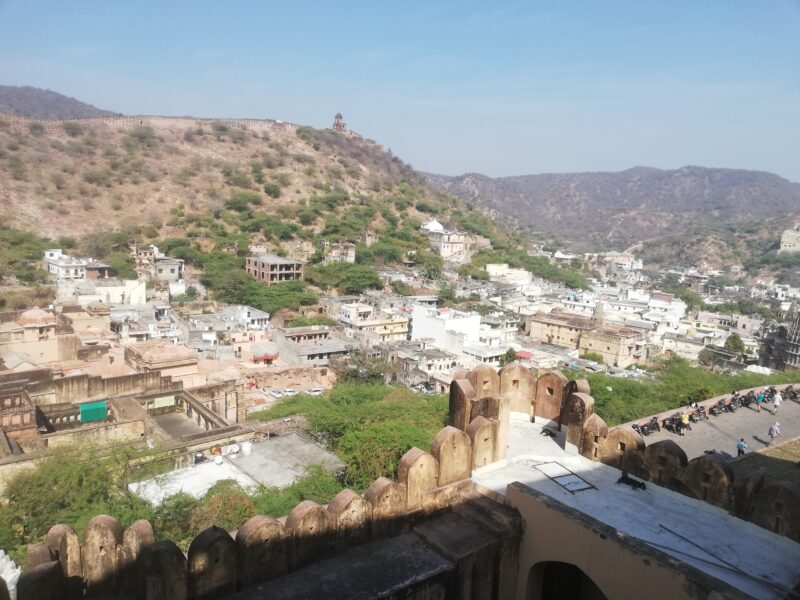
Today took us to the Amber Fort which is only 11.7 kms from the hotel but the horrendous traffic meant that we spent 2 hours getting there. Mr Mukesh parked at the more expensive carpark at the top of the hill on which the Amber Fort is located on account of our infirmities. Built by Raja Man Singh in the 16th century, the fort was expanded by Jai Singh (who founded and gave his name to Jaipur) in the early 17th century and the Rajput maharajas lived in it until the capital of Rajasthan was moved to Jaipur in 1727. We entered the Fort through the Suraj Pol (Sun Gate) into the Jaleb Chowk square, which is where the Rajput armies assembled before marching out to war, and also when they returned with their booty. We went inside the Sila Devi temple; Sila is a reincarnation of Kali, the Goddess of Death and Destruction, who helped Maharaja Man Singh to win the Battle of Bengal against the Maharaja of Jessore. We then entered the Ganesh Pol gate into the private palaces of the maharajas.
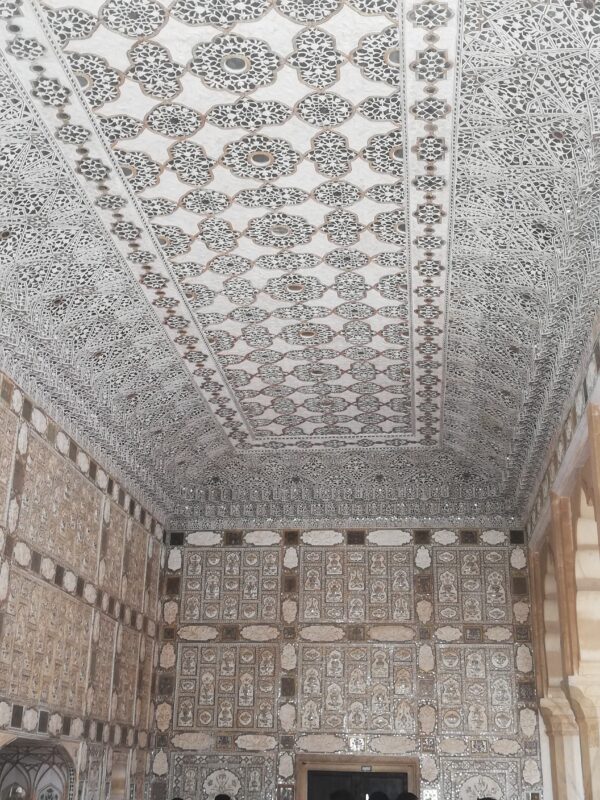
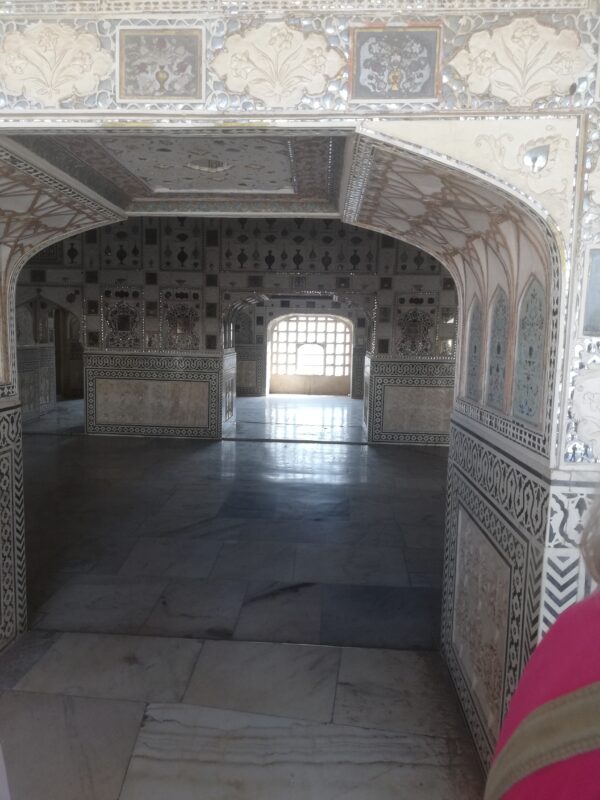
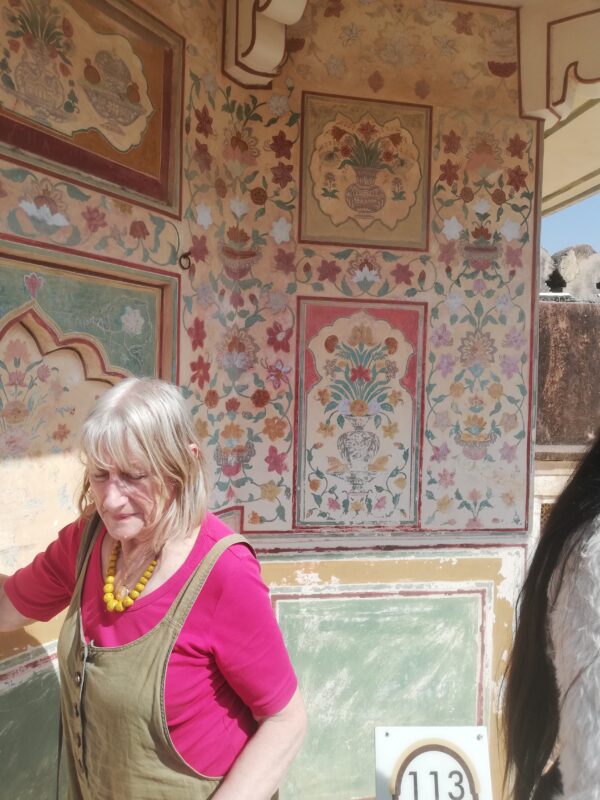
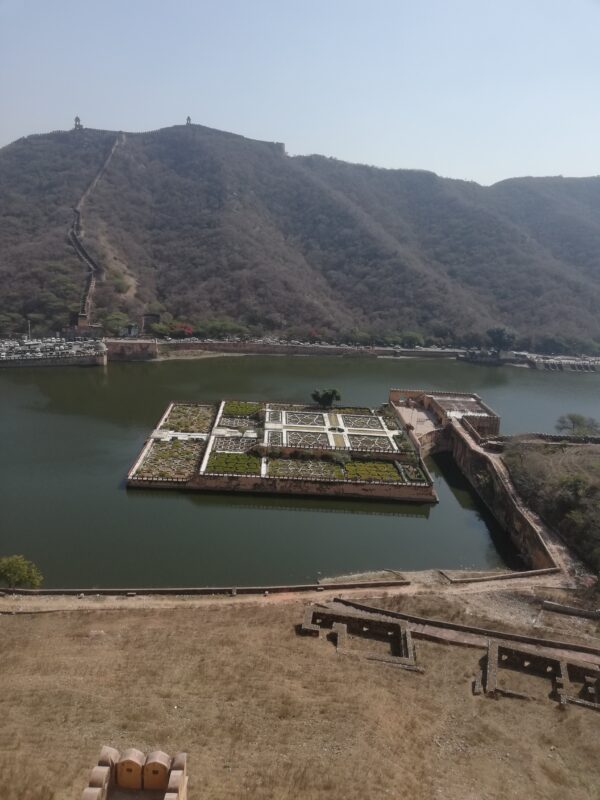
The second courtyard houses the Diwan-i-Am (Public Audience Hall) where the maharaja received petitions from his subjects. It is a raised platform with 27 collonades. The third courtyard has two buildings separated by the Mughal Garden; one building is the Jai Mandir with glass inlaid panels and multi-mirrored ceilings. Also known as the Sheesh Mahal (Mirror Palace) it was built by Man Singh in 1727. The other building is the Sukh Mahal (Hall of Pleasure) entered through a sandalwood door. The fourth courtyard contains the Palace of Man Singh I which is the oldest part of the fort, completed by Man Singh in 1599.
We forgot how we had entered the fort and took a wrong turning, walking all the way down to te main road. I returned to the Sun Gate and found the carpark before Mr Mukesh found me wandering about looking at the car registrations. On the way ack to the hotel we stopped at a jewellery factory for present-buying, and a barbers to get my beard shaved off.
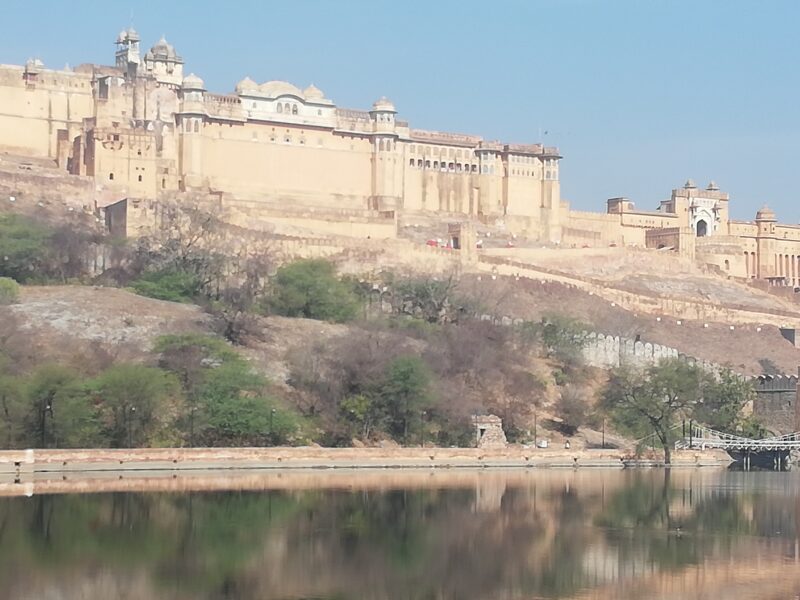
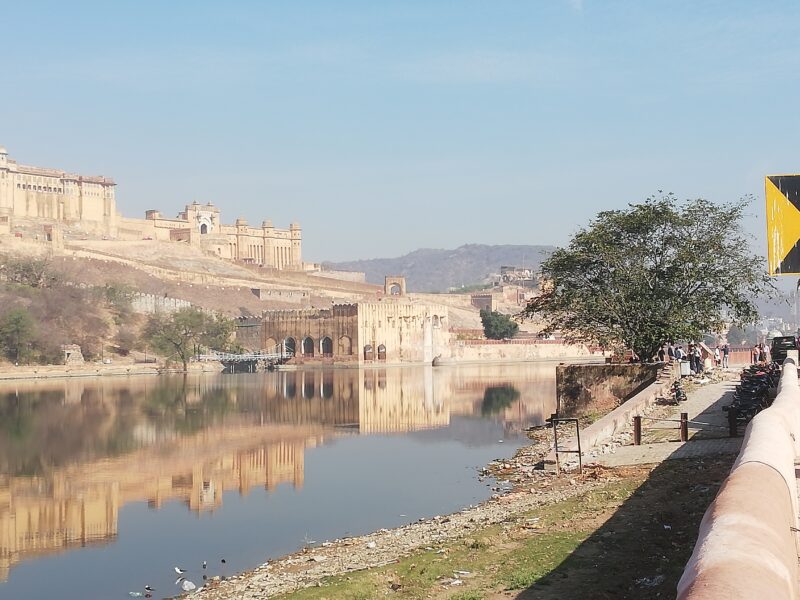

The Stepped Well outside the fort
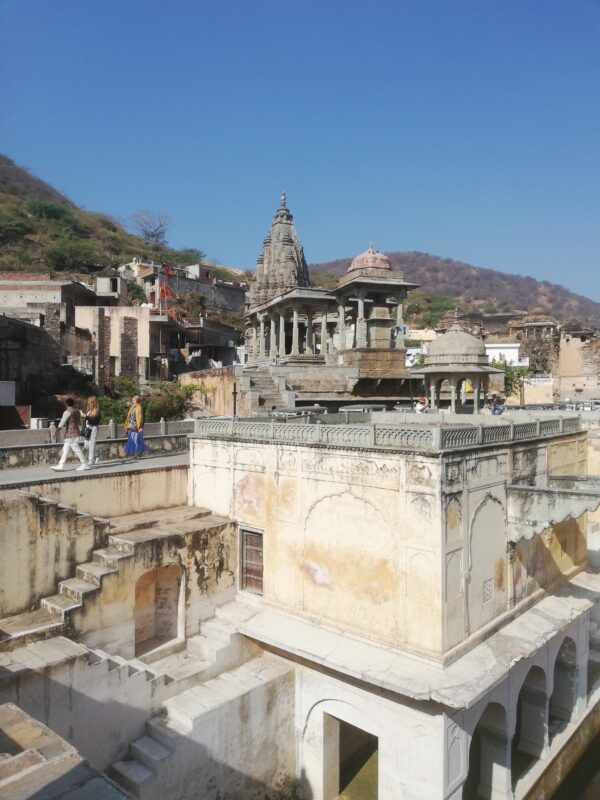
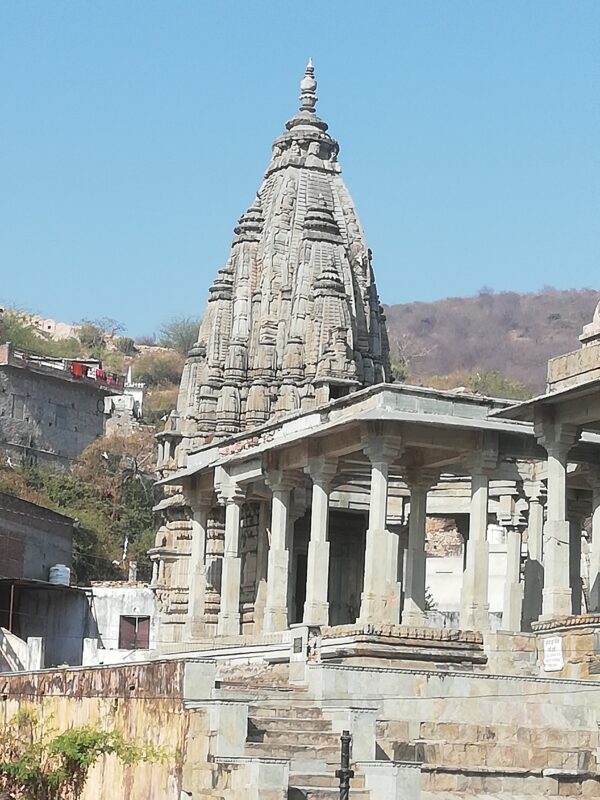
Singh Pol (Lion Gate)
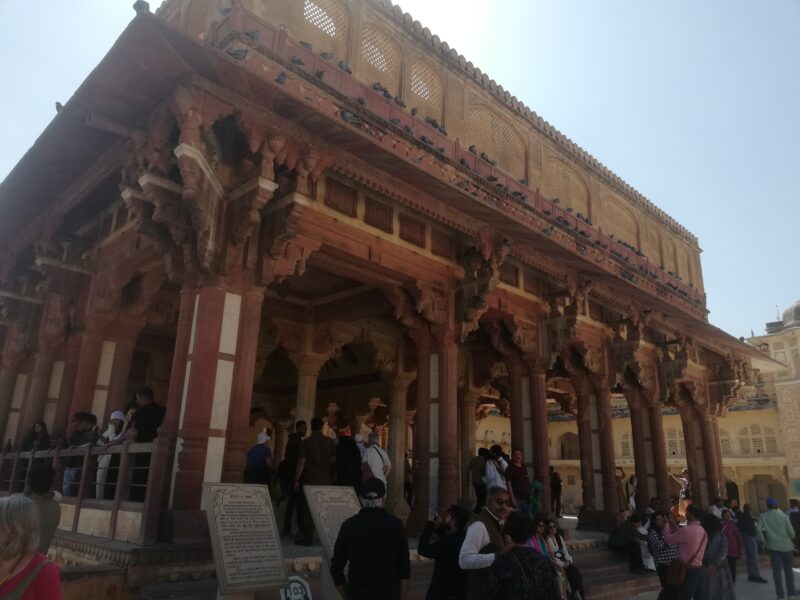
Diwan-i-Am (Hall of Public Audience)
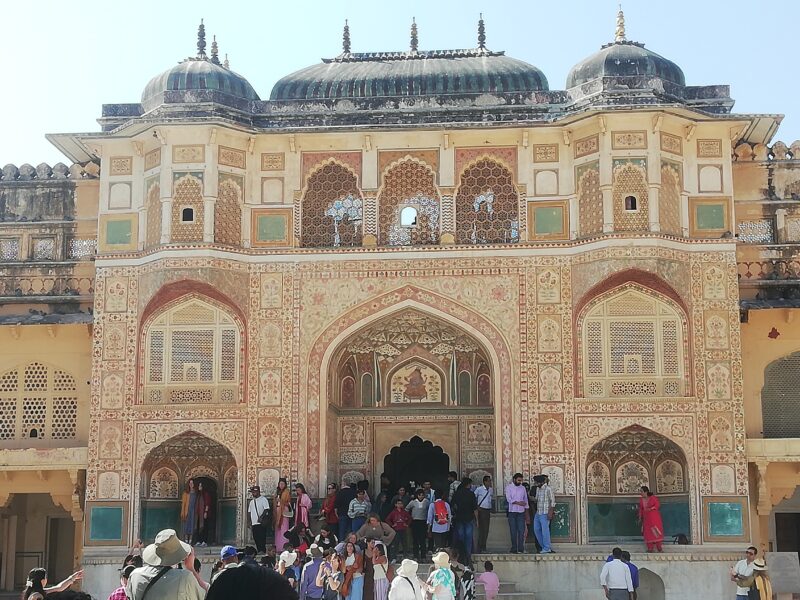
Ganesh Pol
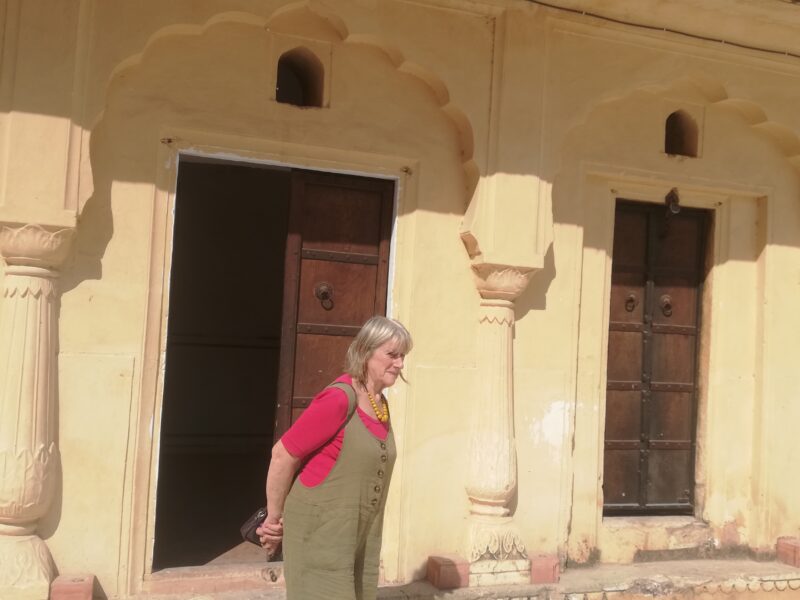
Pisoda (the Royal Kitchen).
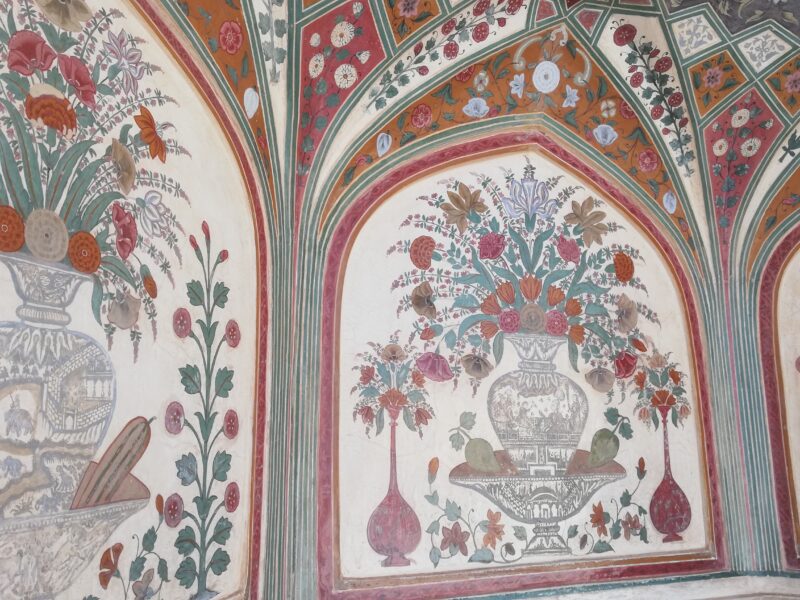
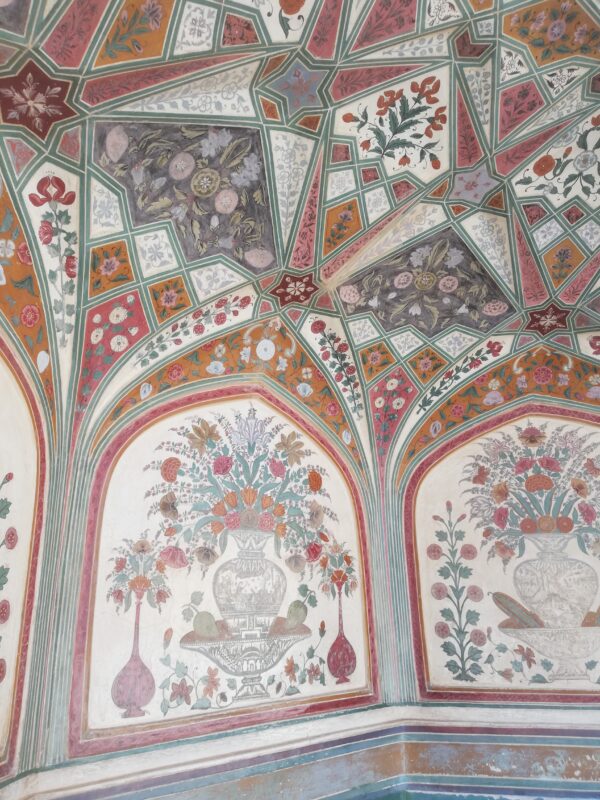
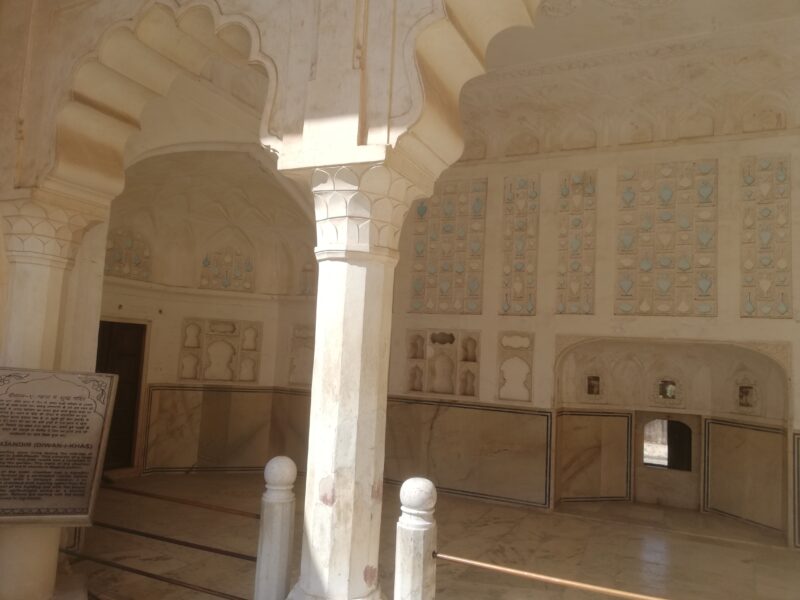
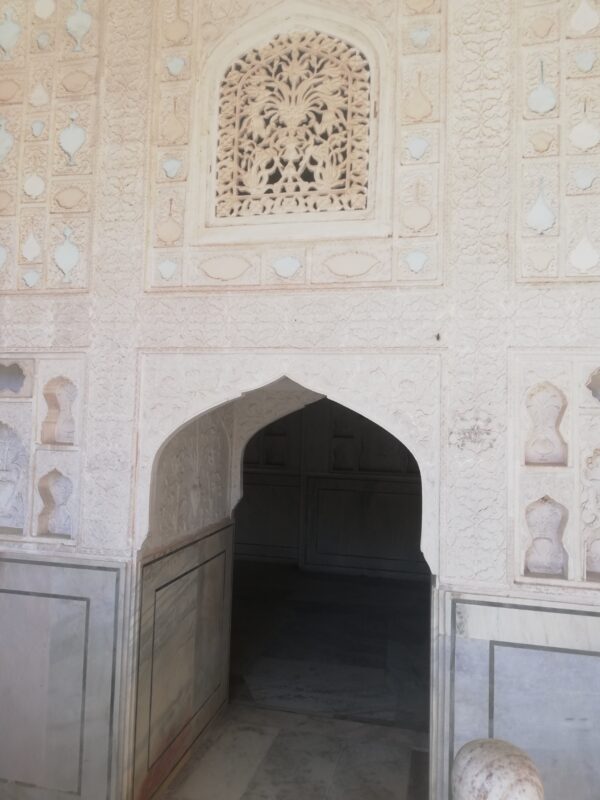
Sukh Mandir (Diwan-i-Khas
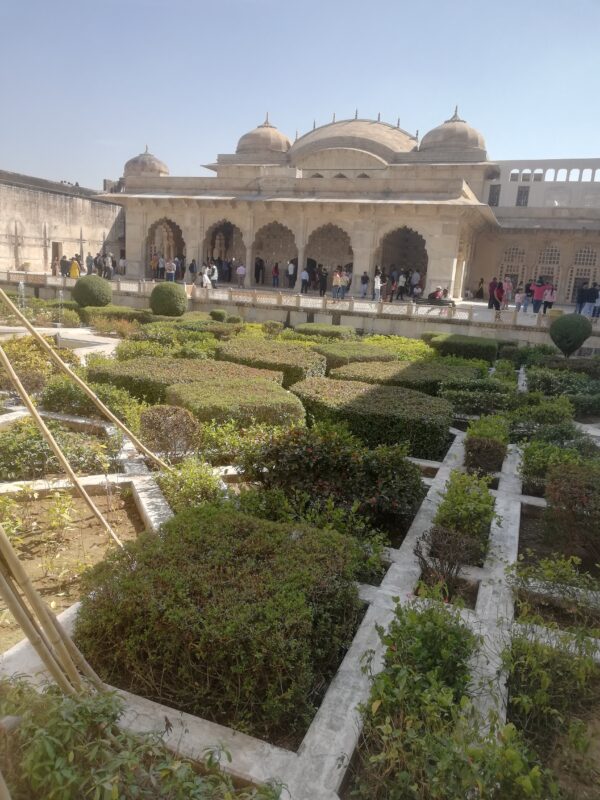
The Mughal Garden
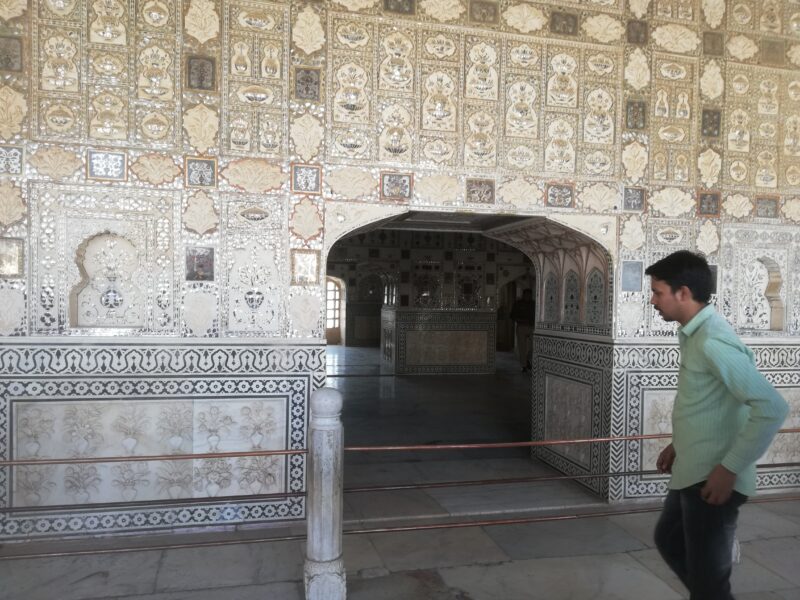
Sheesh Mahal (Palace of Mirrors)
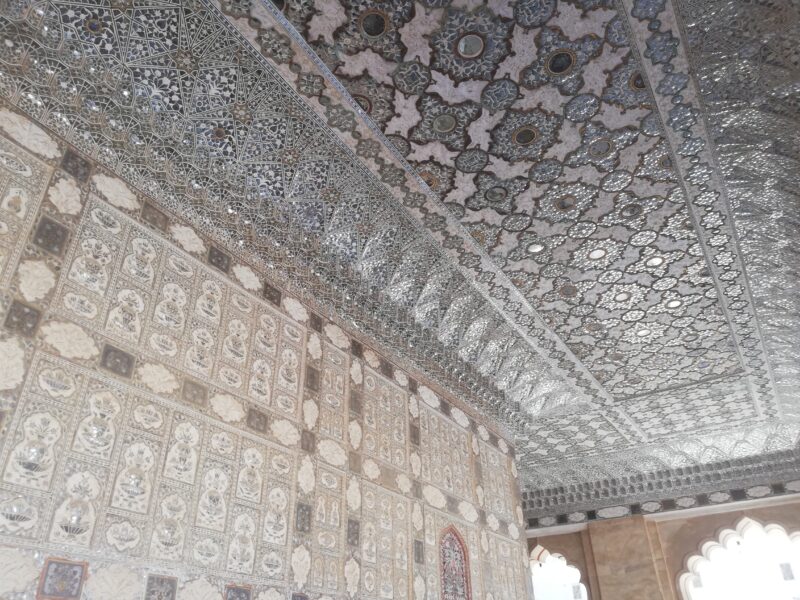
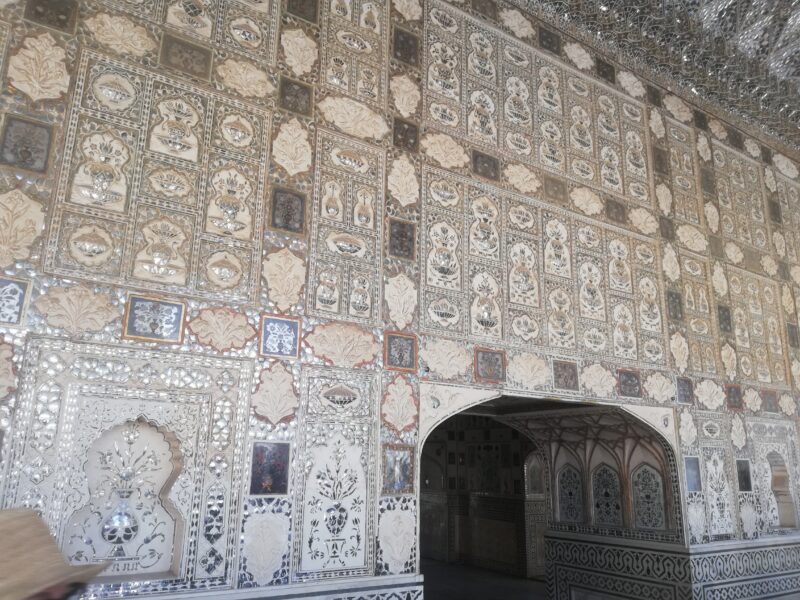
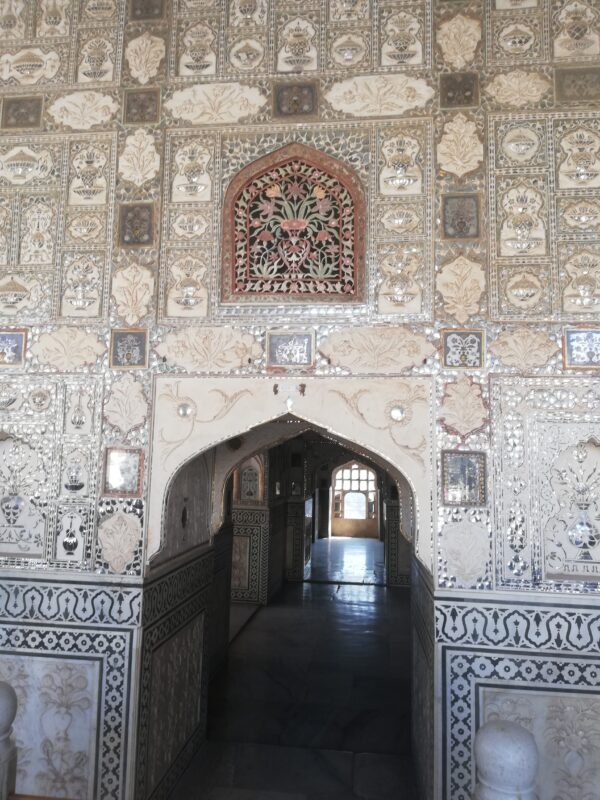

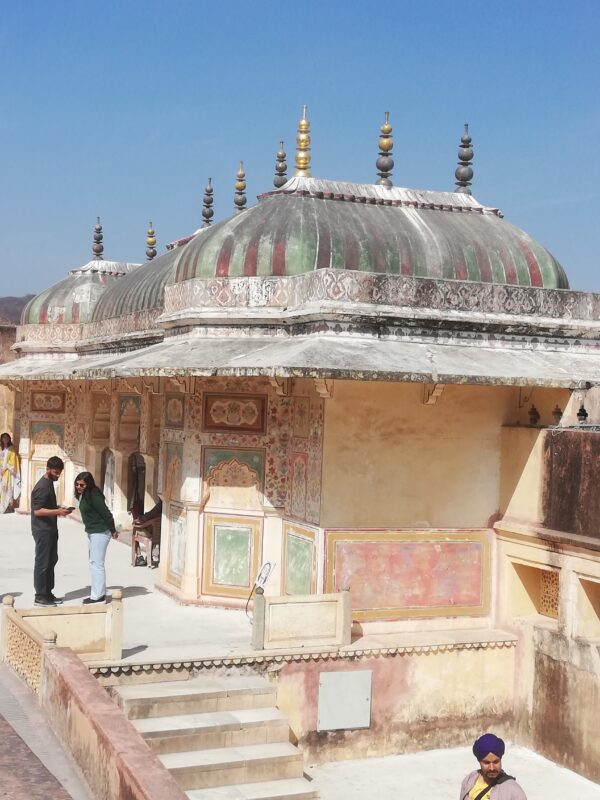
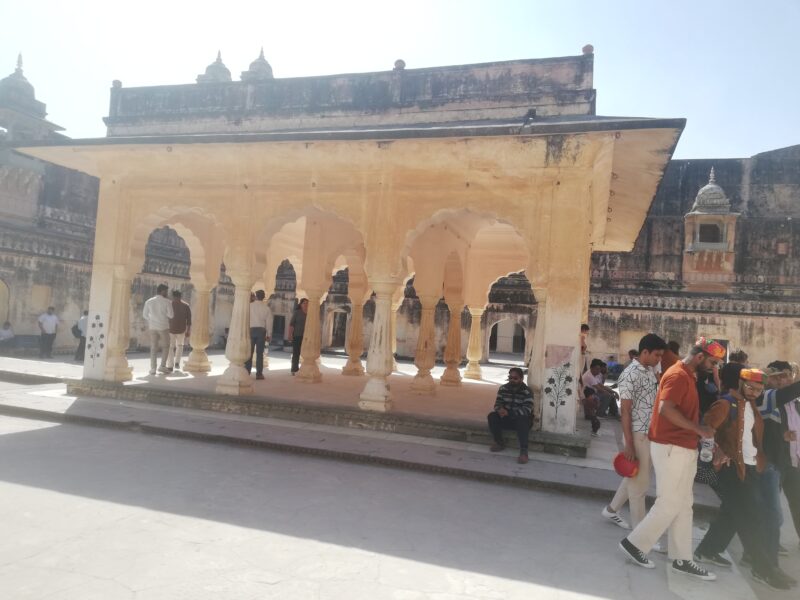
Place of Raja Man Singh
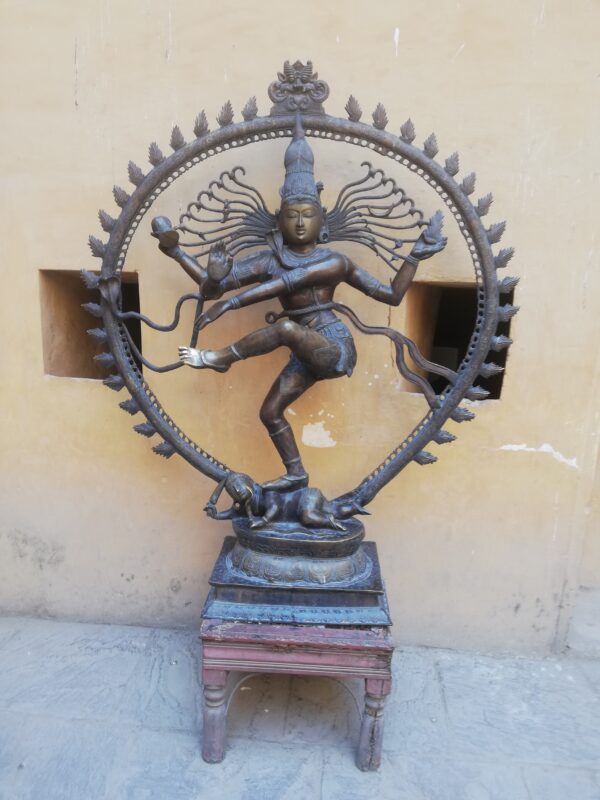
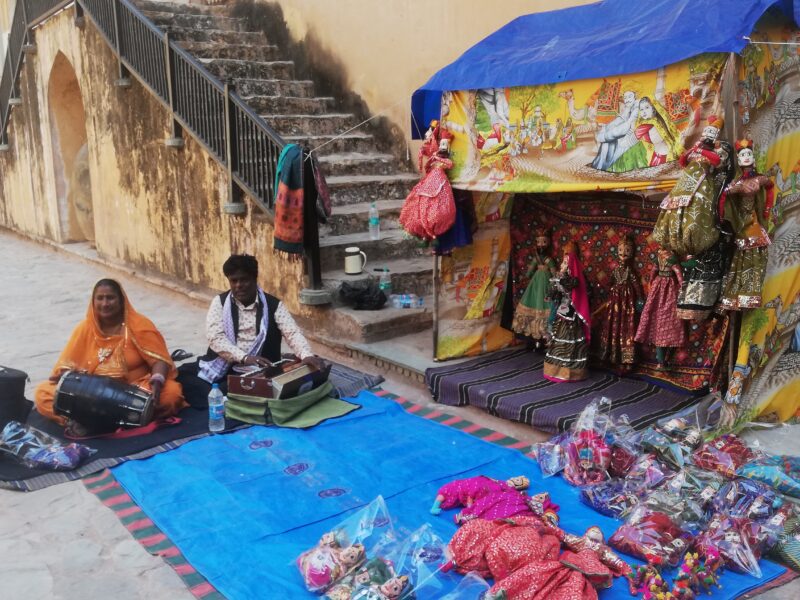
Street performers with dancing puppet
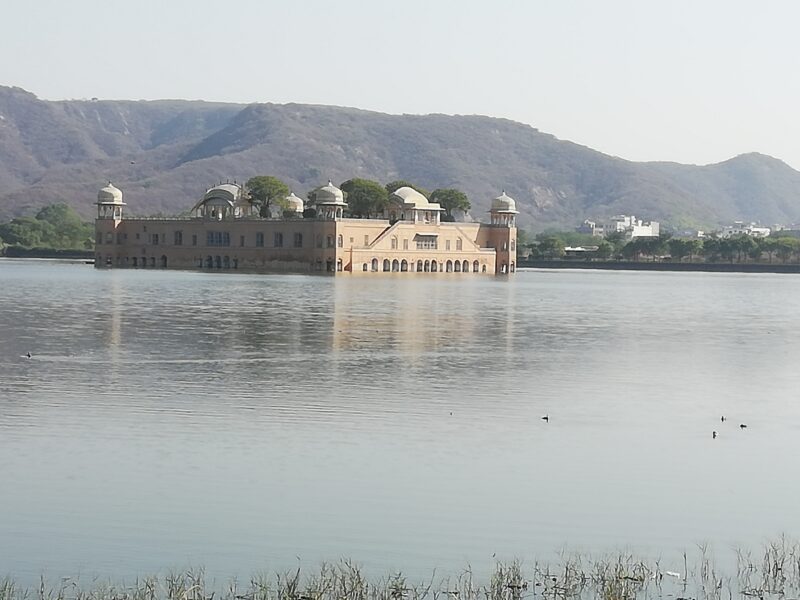
The Water Palace
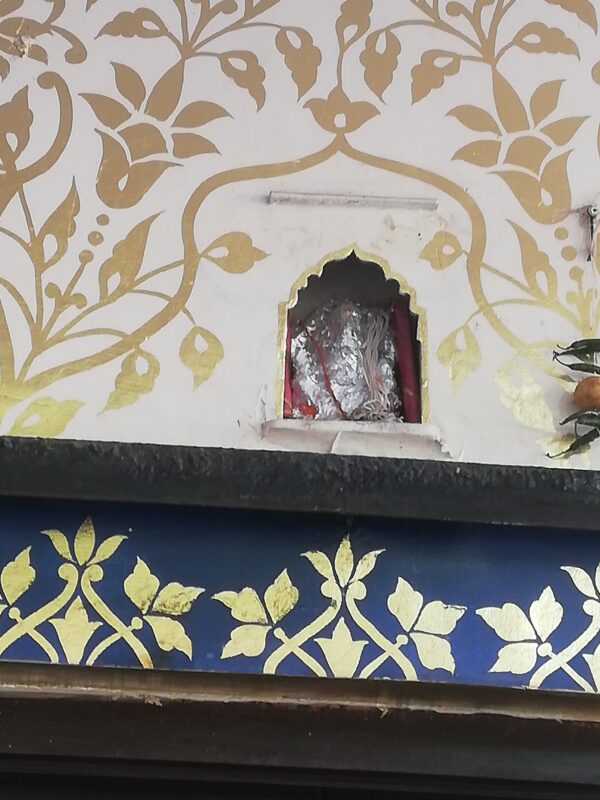
Ganesh above the door of the jewellers
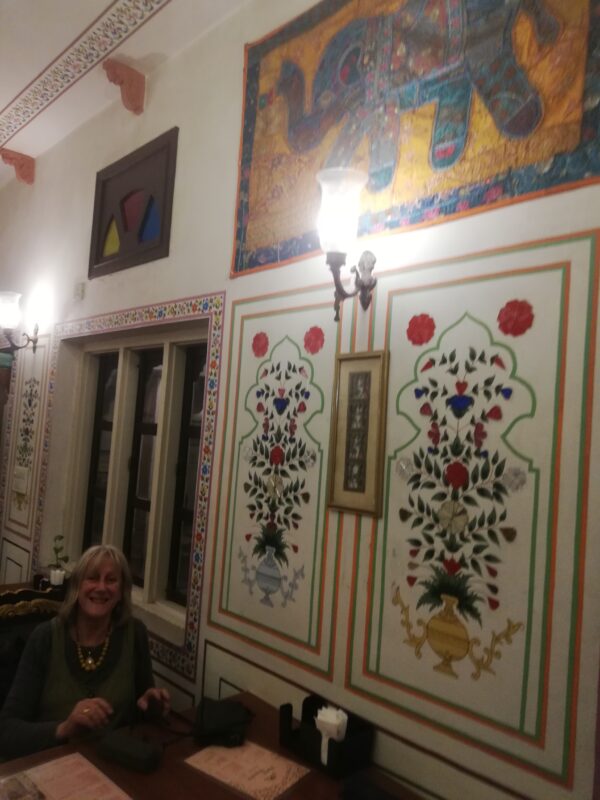
Dining room in the hotel