Today was a frustrating day. Mr Raj whatsapped us to say tht the planned sleeper train had been cancelled and we would have to stay another night at Shangrila Homestay and savour the delights of the breakfast. The omelettes are nice but the rest of the breakfast consists of a small banana, two pieces of toast and minute globs of butter and jam plus a coffee. However we would get another ride in the Executive Class Express to Kolkata. We were dropped by the hotel’s driver at Platform 1 at Gaya station and the train departure board said that the train to Kolkata left from Platform 1C. I wandered up and down the platform through sections 1A and 1B but could not find 1C. Unlike China there are no information hubs or railway employees in smart uniforms to tell you where to go, just huge numbers of passengers and their luggage. Eventually a train came in and the crowd surged forward, struggling to get into the carriages before the passengers had got off. A policeman woke up and started thrashing people with a long aluminium stick, not hard enough to crack skulls but, I suspect, able to give a severe headache. After the train left, I approached him to ask where 1C was and, rather than hit me with his stick, he took us out of the station and ordered a tuk-tuk driver to take us about 1 kilometre down the road to the new Platform 1C. We got into our seats with one minute to spare.
Travelling by Executive Class train in India is a delight with comfortable seats, plenty of leg room, and food. Firstly a tray of snacks; packets of peanuts, popcorn and some rather tasty type of grain as well as fruit juice. Then a cup of delicious tomato soup in the form of powder which gets hot water added by a man with a large kettle. Then a tray with a full meal consisting of cartons of rice, mushy peas, a rather mild vegetable curry, boiled vegetables, yogurt and coffee plus ice cream. Nice. We got into Kolkata’s Howrah Junction station where a man was waiting for us to drive us across the famous Howrah Bridge over the River Hooghly into the vibrant, dirty, smelly and noisy central Kolkata and our hotel the Orchid Plaza.
Kolkata is a new city by Indian standards with no famous temples or palaces, but it has a magnificent museum. Only a fraction the size of the Hermitage or V&A, it has a huge number of relics from Khajuraho, Bodh Gaya, Varanasi and other historical places. There is fascinating natural history section with a massive stuffed turtle from the Ganges, enormous crocodiles from the Sunderbans mangrove swamp, colourful birds and snakes. The pictures speak for themselves.

Misery at Gaya station

Ladies Frisking Room at the Indian Museum

Inner courtyard of the museum

The Wish Fulfilling Tree from Gwalior at the entrance to the museum

Ferocious man-eating creature. The other is a lion from 3rd century BC

Mauryan terracotta from 4th-2nd century BC


Water flask from Taxila 3rd century BC

Sunga terracotta, 2nd century BC

Kushana terracotta, 1st-3rd century AD

Gupta terracotta 4th-8th century AD

Fossil tree trunk of extinct Dadoxylon tree, 250million years old

Buddha’s footprint

Basalt votive stupa from Bodh Gaya, 11th century

10th century door frame from Bihar

Statue of Surya the Sun God, 10th century

Makara alligator from Bihar, 11th century

Surya, 10th century, Varanasi

Scenes from the life of the Buddha, 6th century, Sarnath

Avalokiteshvara, 10th century

Boar incarnation of Lord Vishnu, Nalanda, 10th century


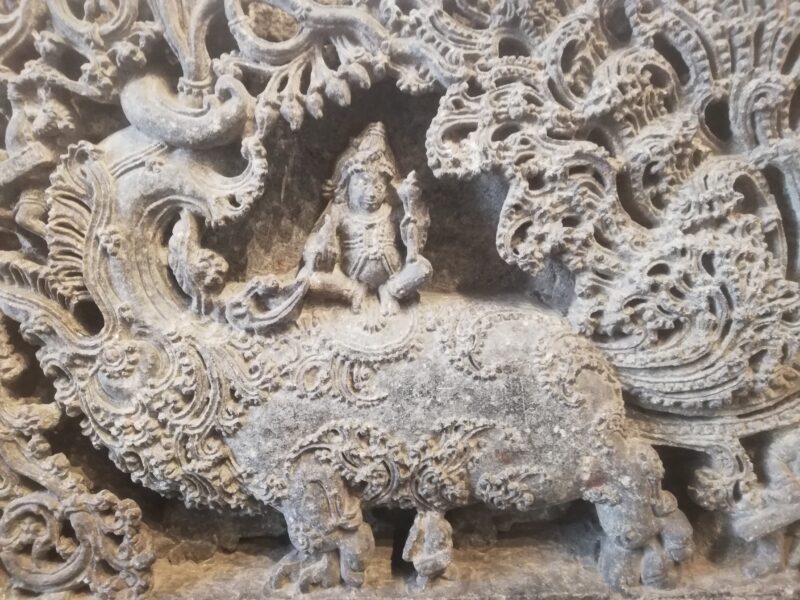


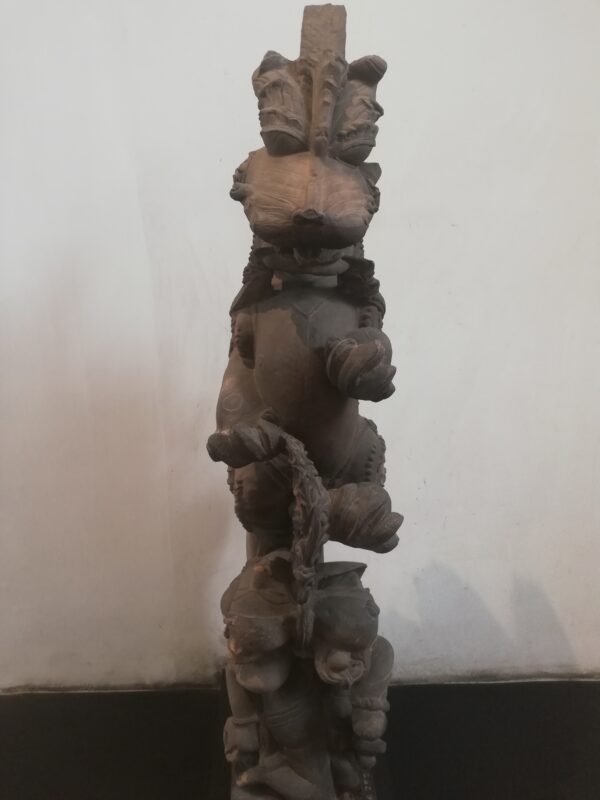
Sardulavyala, Khajuraho, 10th century

Sardulavyala

Carving by Gupta schools of Mathura and Sarnath, 7th to 14th centuries
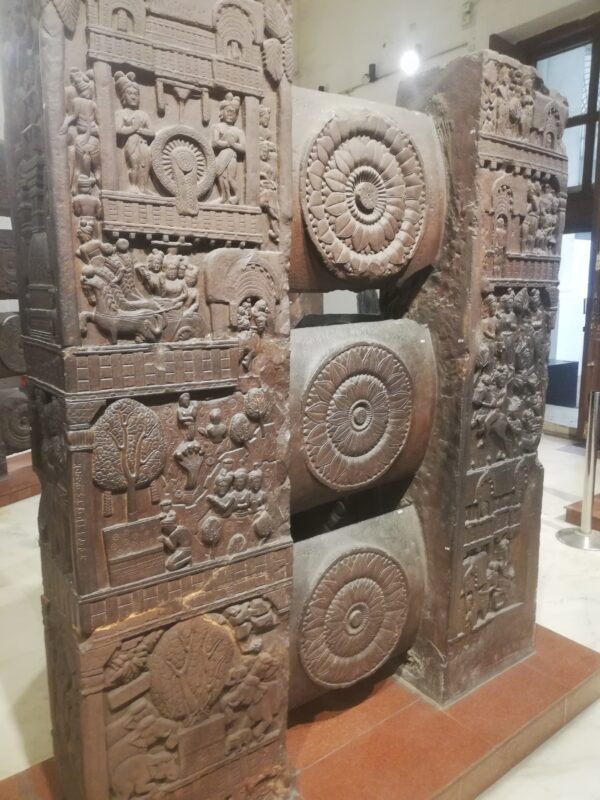

Railings from a Buddhist stupa at Bharhut, 2nd-1st centuries BC

Coins


Sunderbans alligators. No, Jennifer, they’re not alive


Storage jar from Harrapa, 3,000-2,500 BC

Carving from Persepoiis 600-300 BC

