Day 14 (9th February) Jaipur
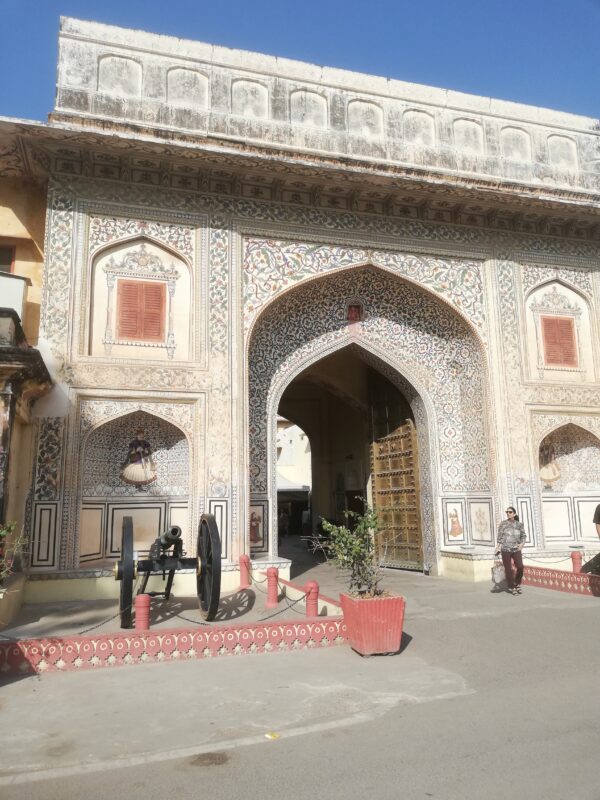
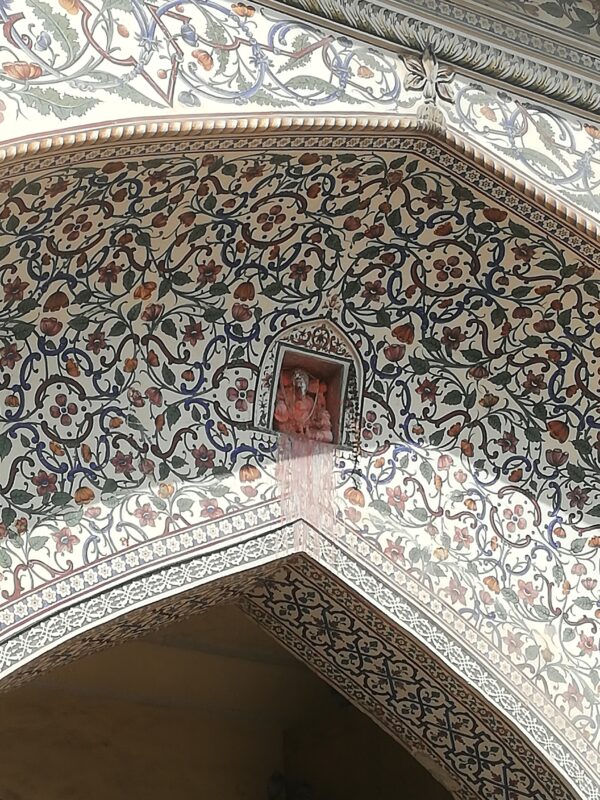
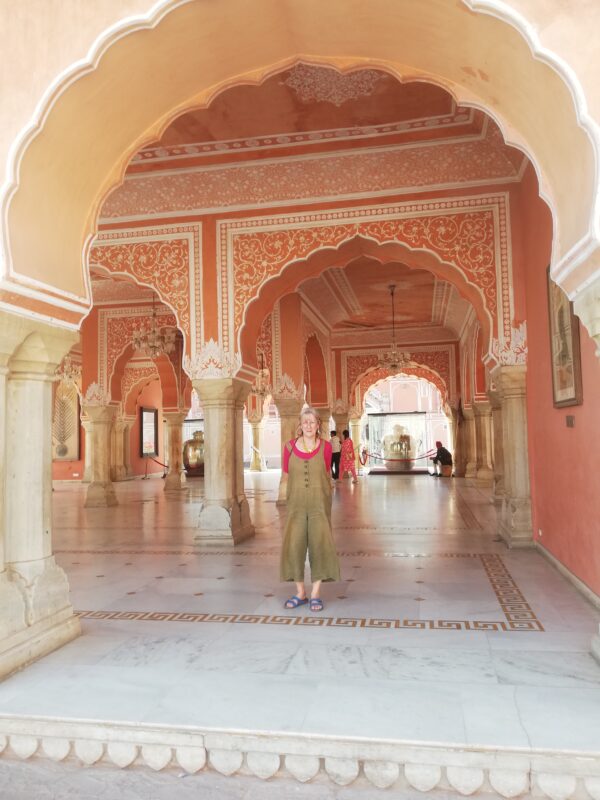
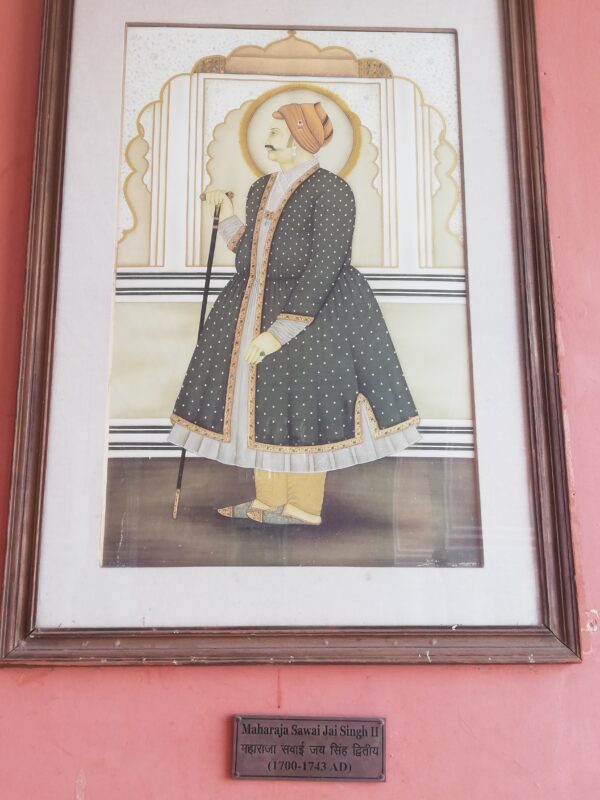
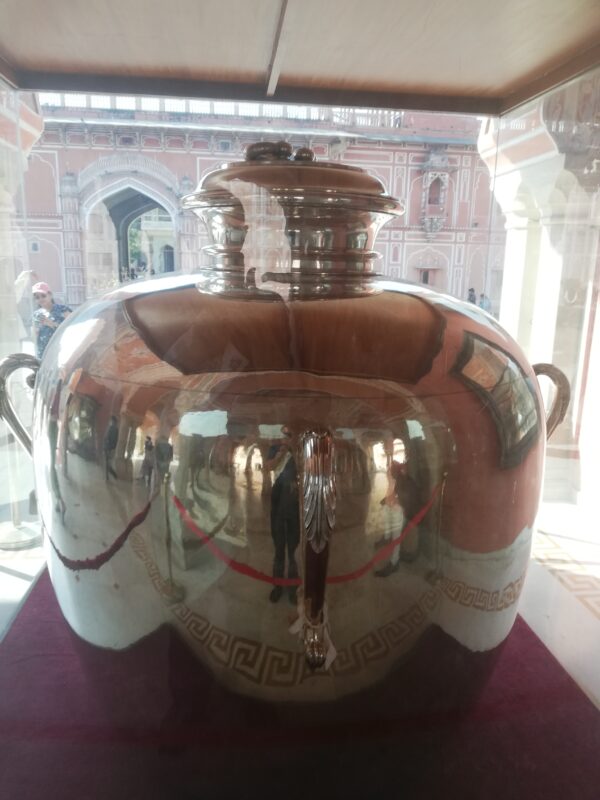
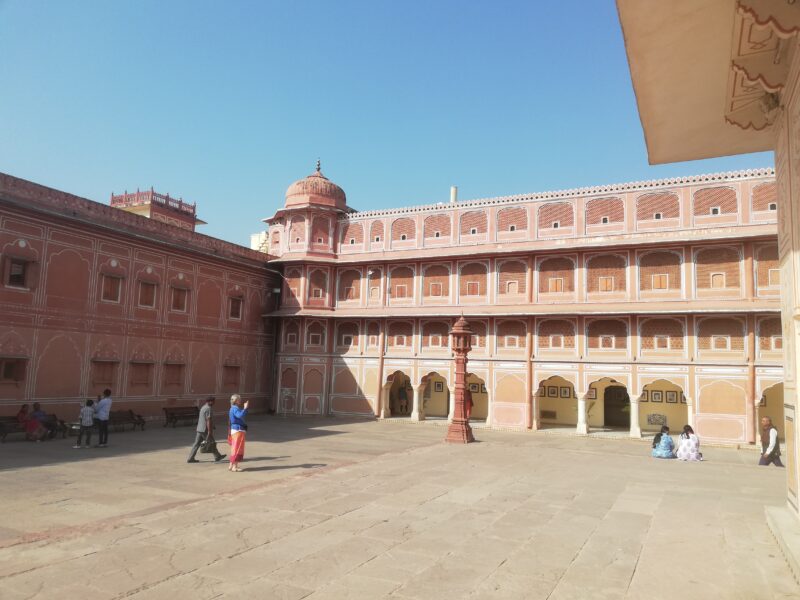
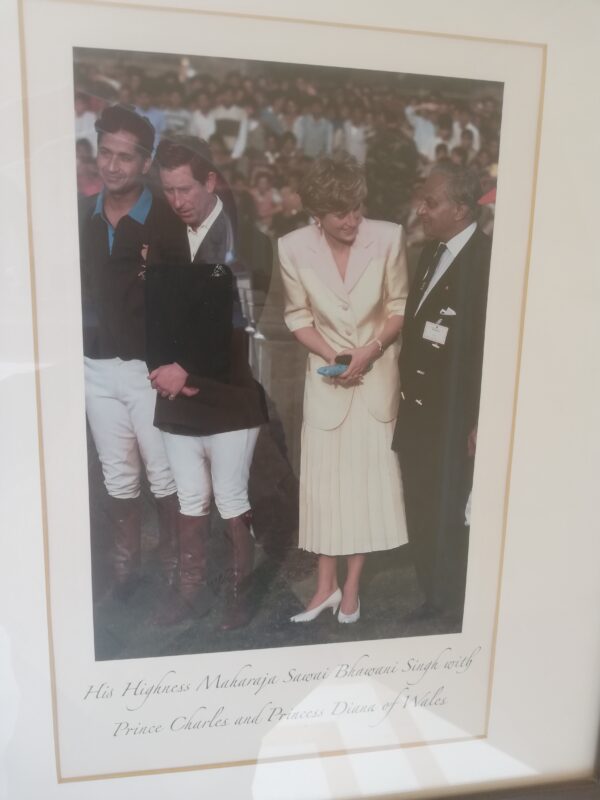
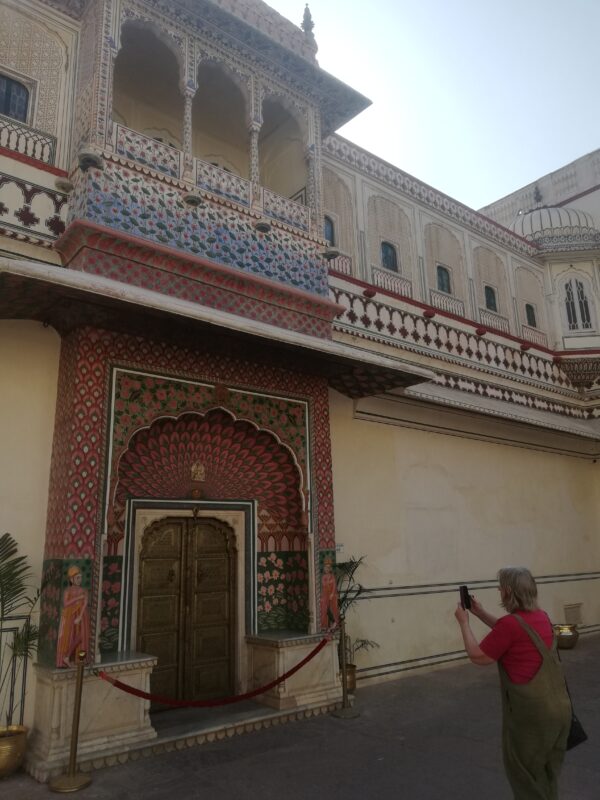
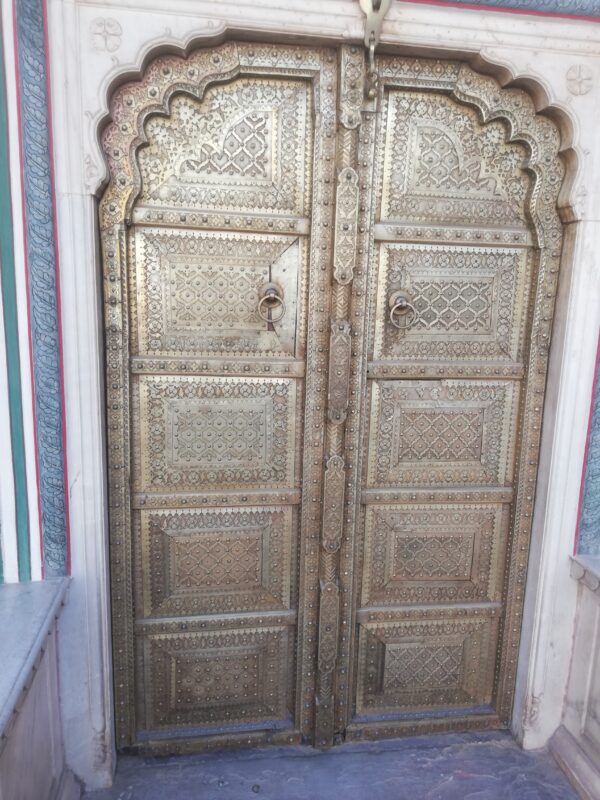
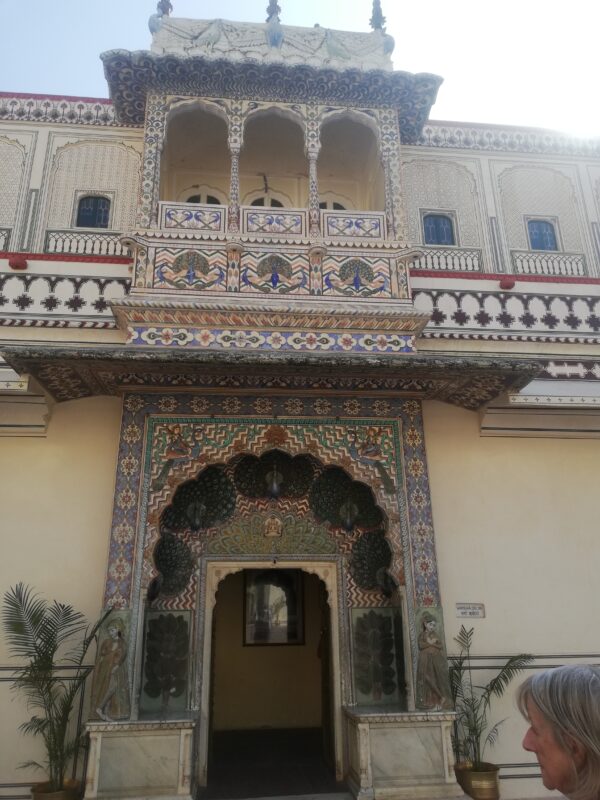
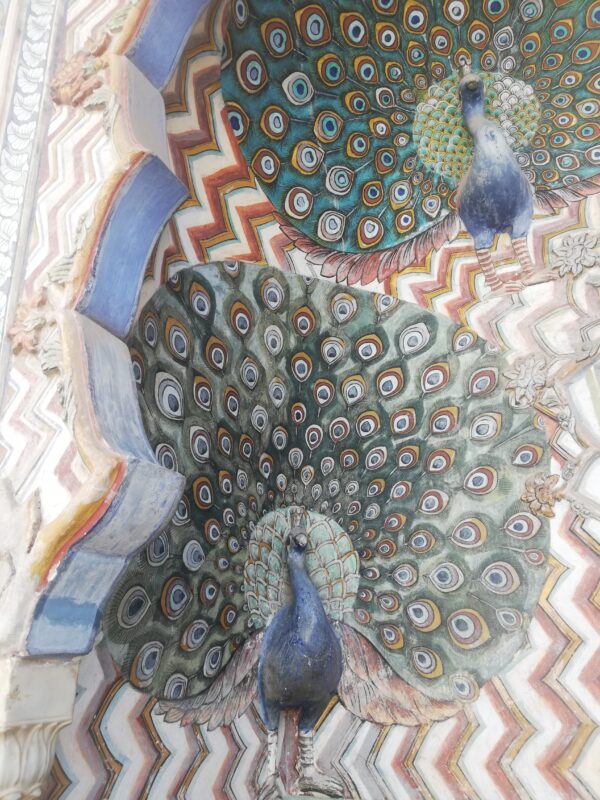
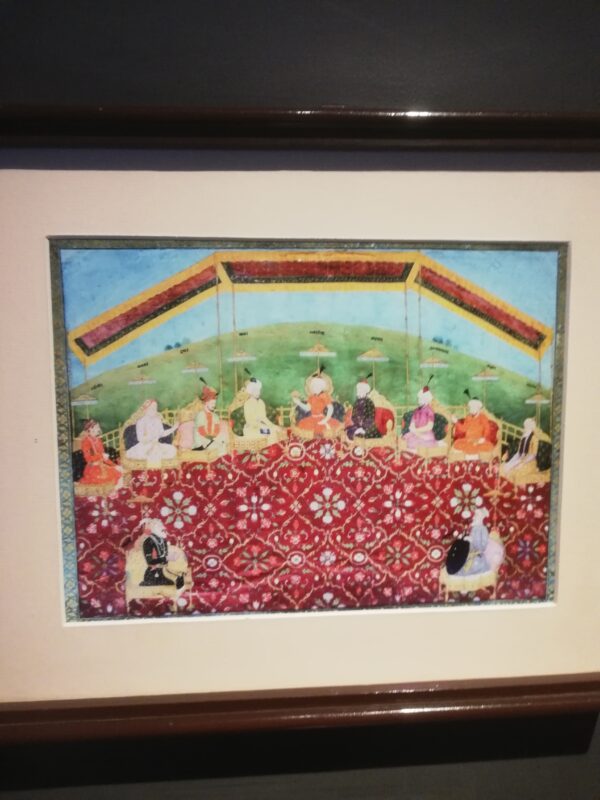
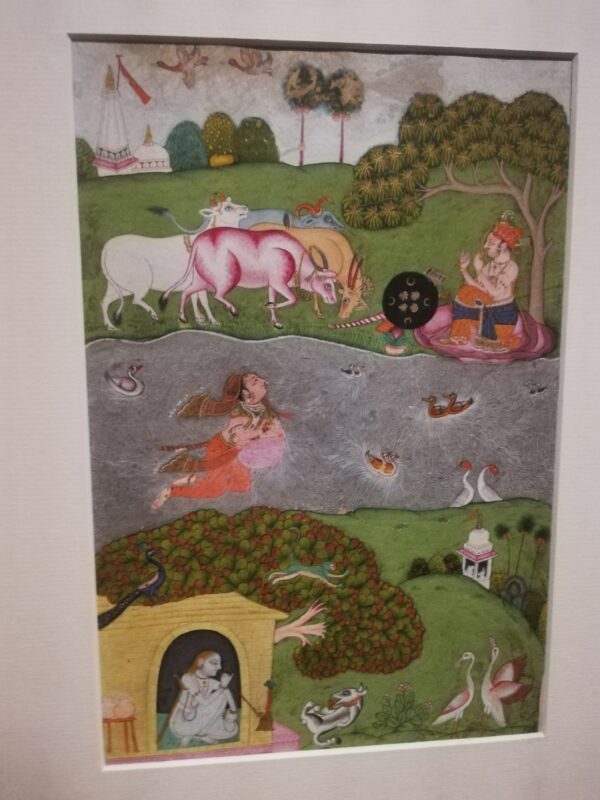
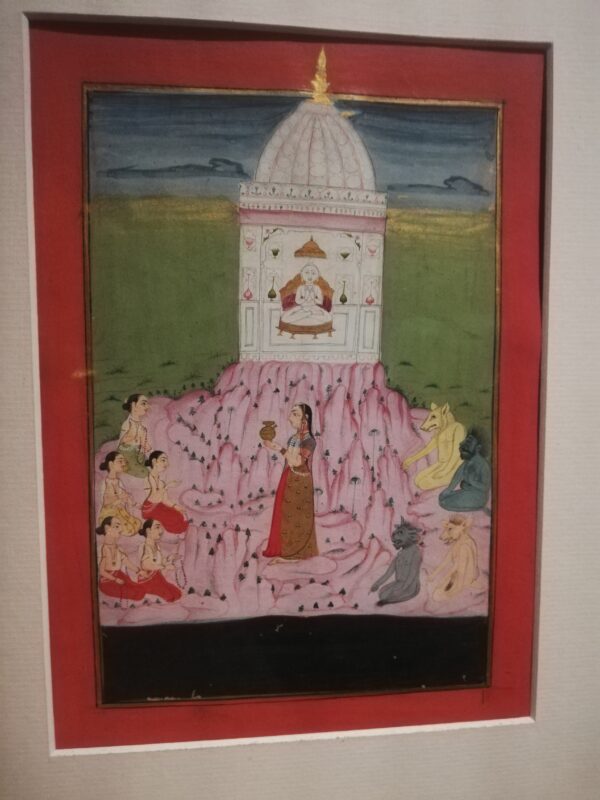
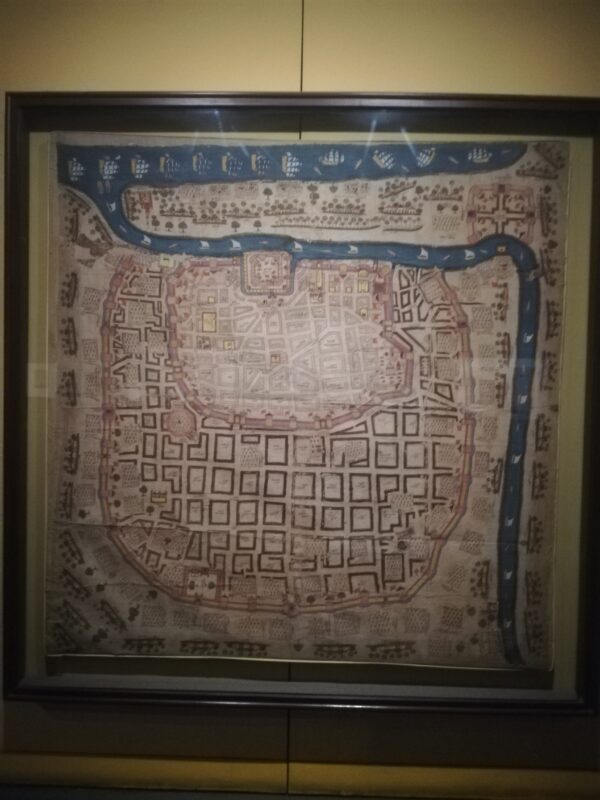
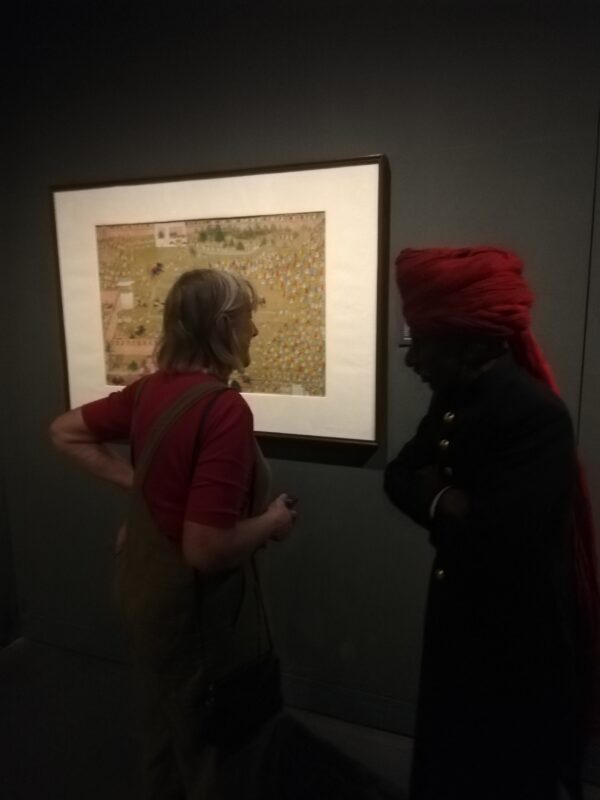
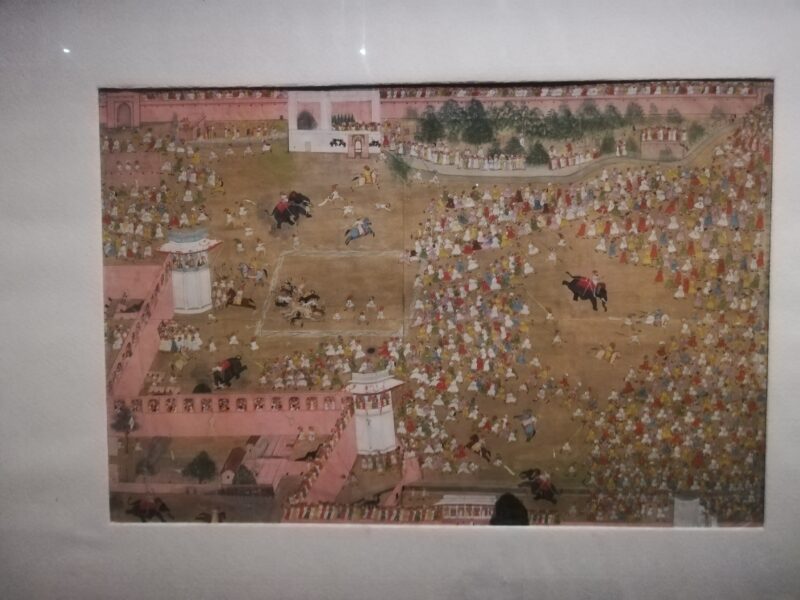
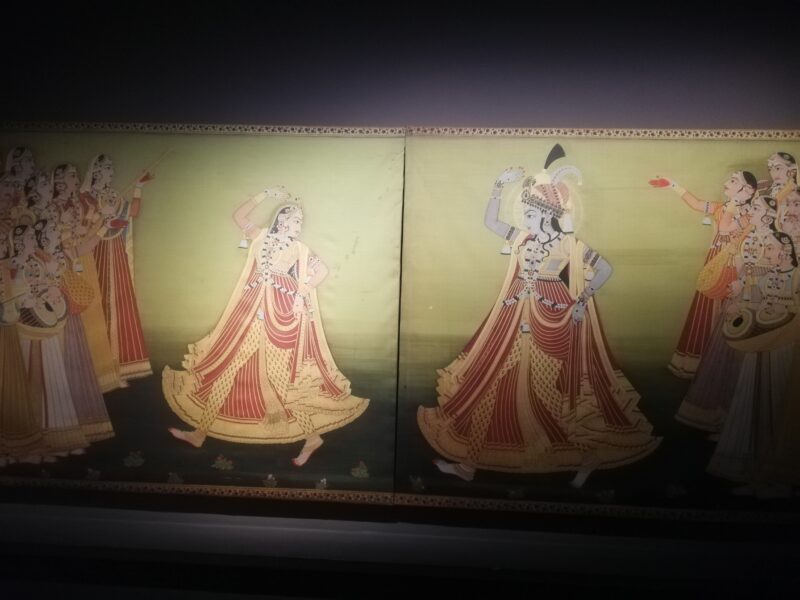
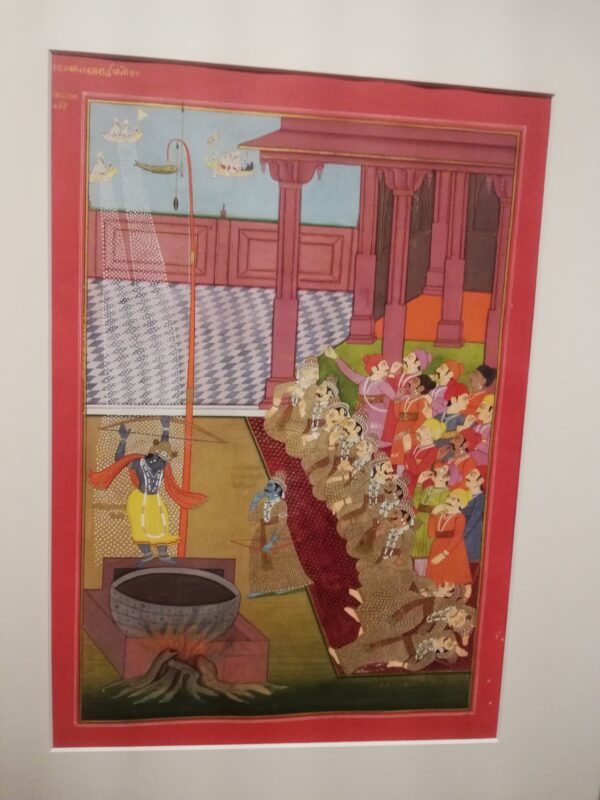
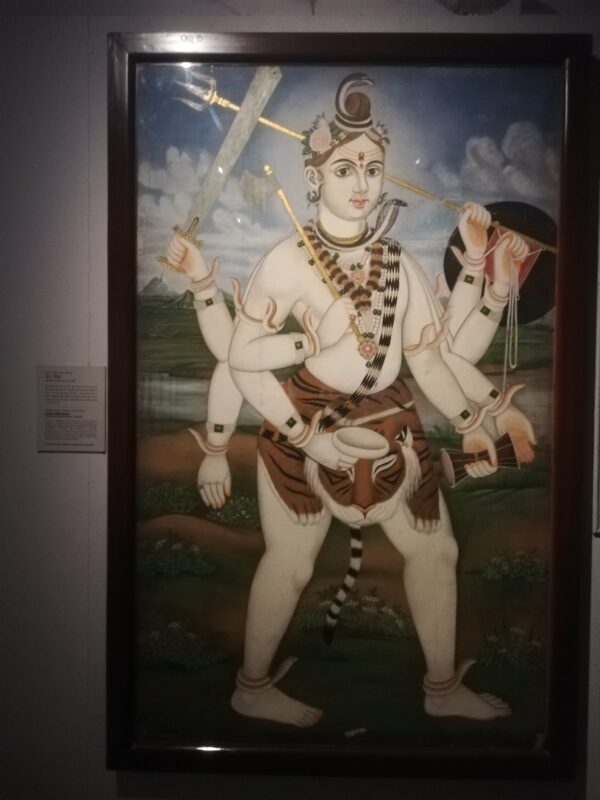
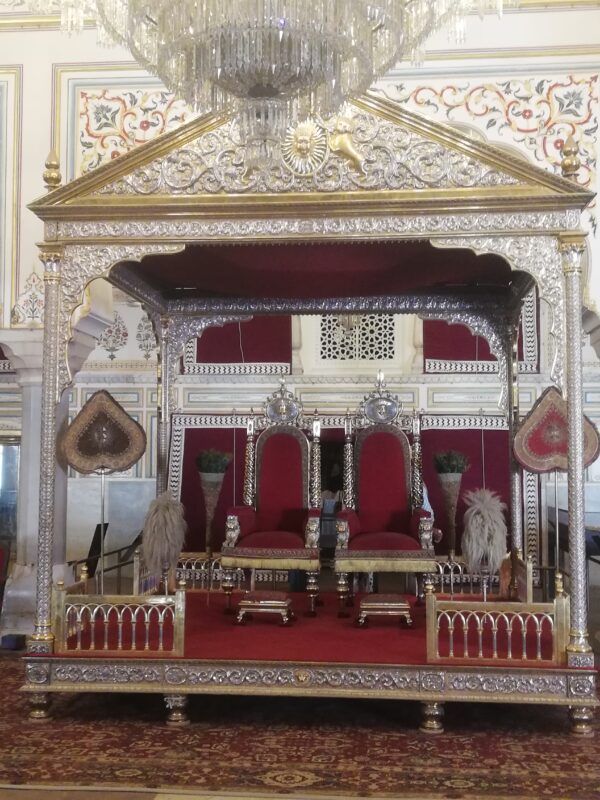
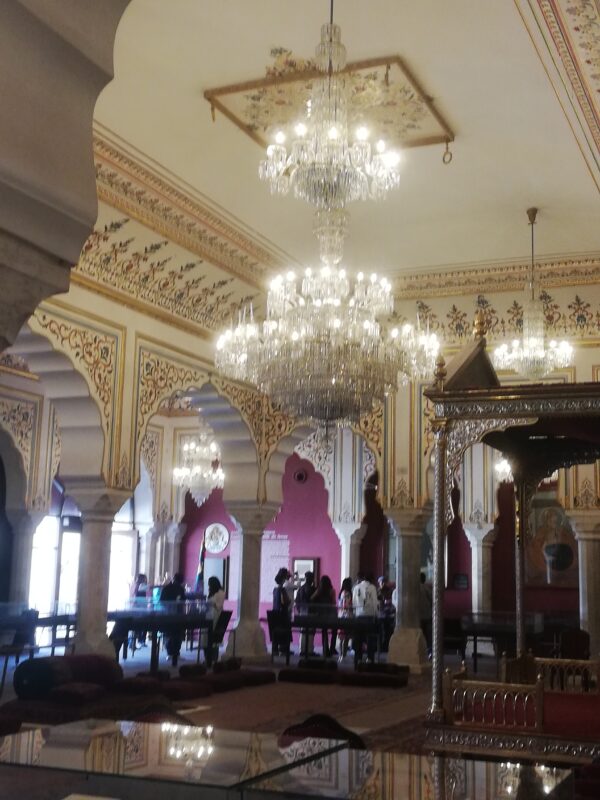
Our trip to the Royal Palace, where the Maharajah and his family still live, was thoroughly enjoyable. We entered through the Uday Pol gate and passed through another gate to see the Sarvato Bhadra, otherwise known as the Diwan-e-Khas (Hall of Private Audience) where religious and cultural ceremonies took place. There were two massive gangajalis (water containers) which accompanied the Maharajah Sawai Madha Singh II on his visit to England. We continued to the Pritam Niwas Chowk, where private celebrations were held, and admired the four beautifully decorated doors dedicated to four Hindu gods whose images appear at the top of each door. We then went through another gate to see the centrepiece of the palace, the Mubarak Mahal, built in 1902 as a guesthouse for British visitors. It contains a large number of carpets and other textiles. In a corner of the courtyard in which the Mubarak Mahal is located is a gallery dedicated to paintings, maps and historic photographs which we reckoned was the most interesting part of the museum. We also went to the Sabha Nawas to see the massive chandeliers imported from Europe and the maharajah’s throne.
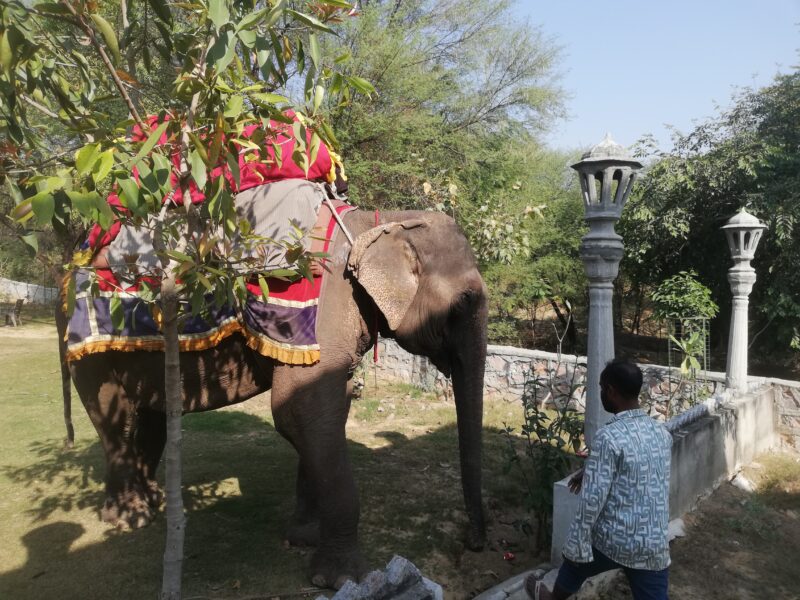
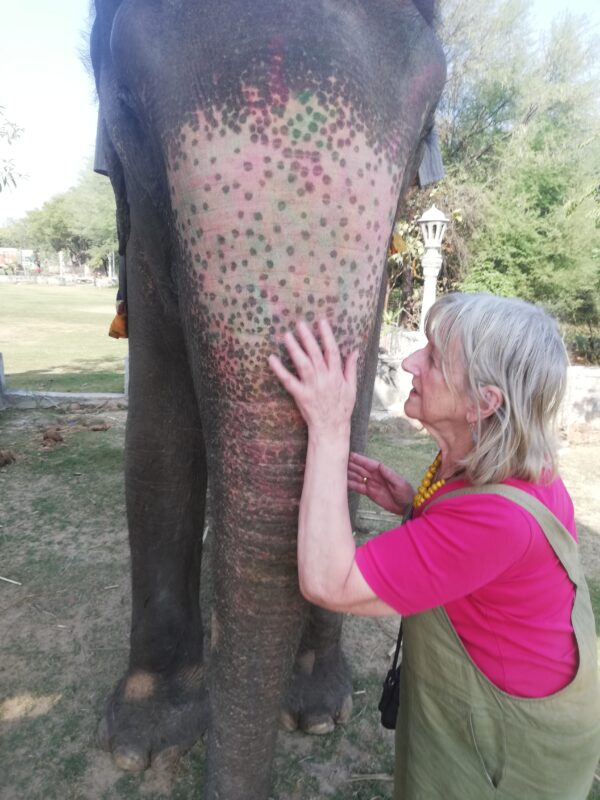
We then went to elephant village where 84 elephants each have their own house and have access to an elephant hospital. Rescued from the streets of Jaipur where they used to haul goods around, they are now used to give rides to tourists who can also feed and paint them. Our elephant was a 28-year-old lady called Jumpa who gave us a lovely ride past the lake where they bathe and then let us feed her with sugar cane. The elephant driver was able to talk to her and give commands rather like a shepherd to a collie. When I said her name, she waved her trunk around and made purring noises. But then I’m such a hit with the ladies.