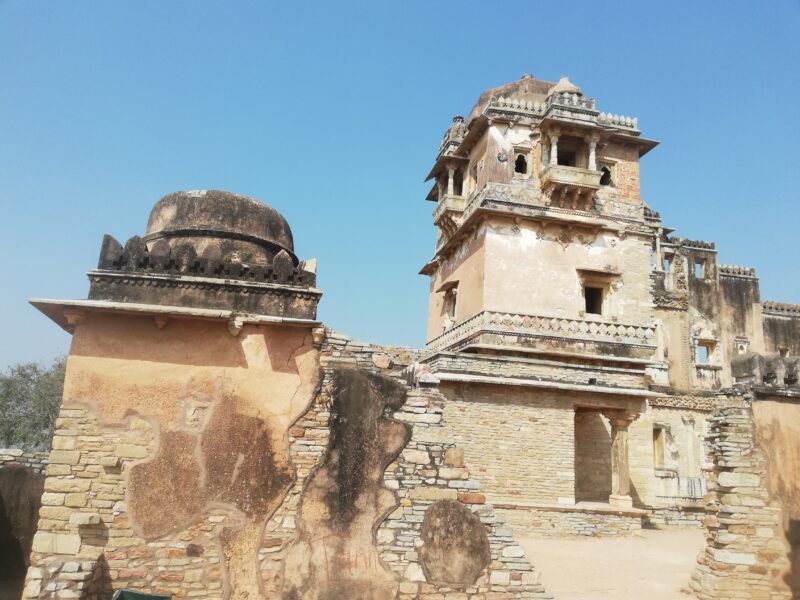
Day 18 (13th February) Bundi to Udaipur
Lat night was horrendous because a wedding celebration near the hotel was accompanied by incredibly loud music which made our room shake and the drum beats reverberated through our heads. Moreover the truck bringing the amplifiers cut down a wire bringing internet to the hotel so we had no wifi. The hotel assured us it was a “prayer meeting” and would stop at 10.30. Just before midnght, I went downstairs and woke up the manager who put us in a different room which was much quieter. As soon as we moved there, the wedding stopped. The room and beds were damp, but we were too pissed off to move again.
The idea was to stop in Chattorgarh for a night but Mukesh told us the hotels were not good, and it would be better to stop at Chattorgarh to see the fort (the largest in Asia), and continue to Udaipur where there is a lot to see and stay for three nights. Chattorgarh is not on the tourist route which is surprising because the fort encapsulates much of Rajasthan’s history, ie the bloody centuries-old struggle between the moslems of the Delhi Sultanate in the 14th century and the Mughals in the 16th. The fort was founded by the Hindu Maurya dynasty in the 7th century before it was sacked after sieges in 1303 by Alauddin Khalji, in 1535 by Bahadur Shah of Gujarat and in 1568 by the Mughal Emperor Akbar. When the sieges had lead to mass starvation and continued resistance was hopeless, the men marched out to confront the enemy in a “saka”, a suicidal climactic battle while the women drained the large water reservoir (known as a tank) filled it with vegetable oil, ignited it and burned themselves to death. This was known as a Jauhar and took place at most Rajput forts but Chittorgarh is the only fort where it happened three times. It is said that 13,000 women and girls died in the 1535 jauhar. An annual festival, the Jahaur Mela, is held to commemorate the victims.
We first visited Padmina’s Palace; she was such a beautiful queen that Alauddin Khalji attacked the fort in 1303 to capture her. Rather than be captured she committed jauhar in an underground cellar below her palace. It is located in a lake which was formerly a water-filled moat surrounding the palace, and is like a stepped well with rows of steps leading down to the water.. Other women suffered jauhar in the Gaumukh tank between the Kalika Mata and the Vijaya Stambha.
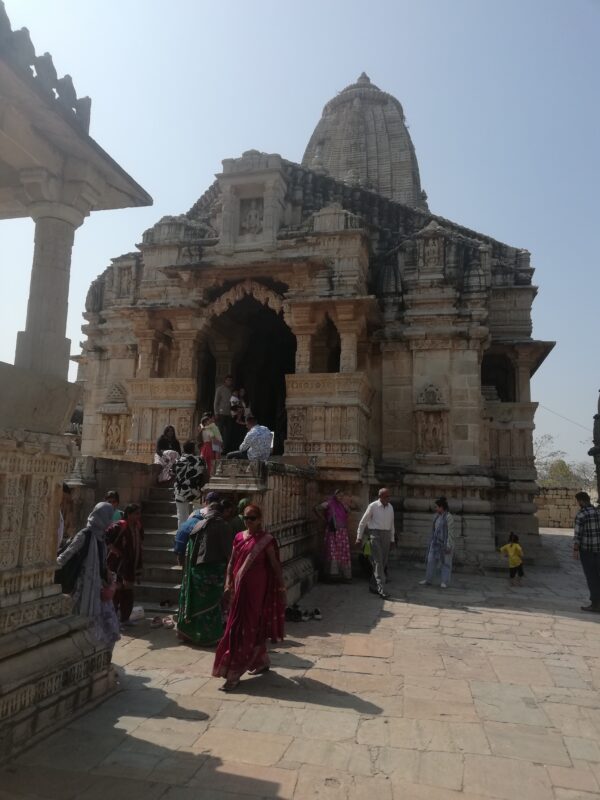
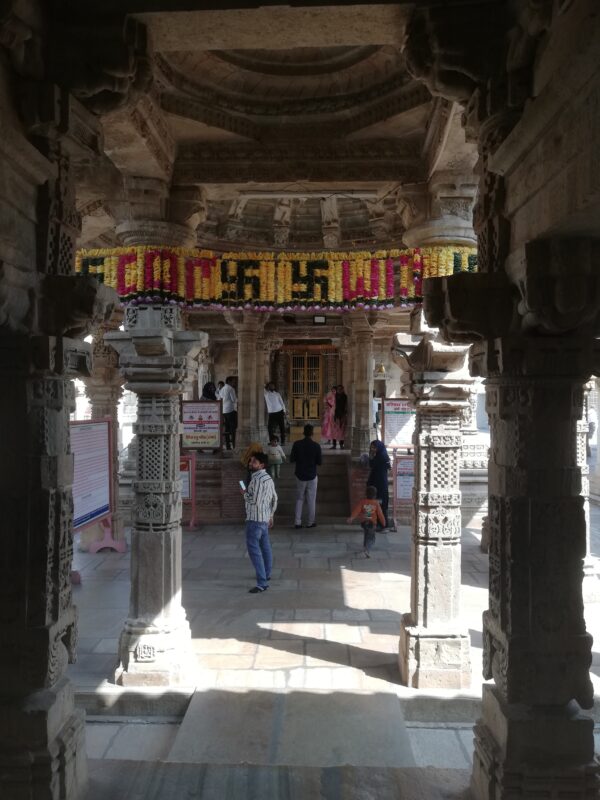
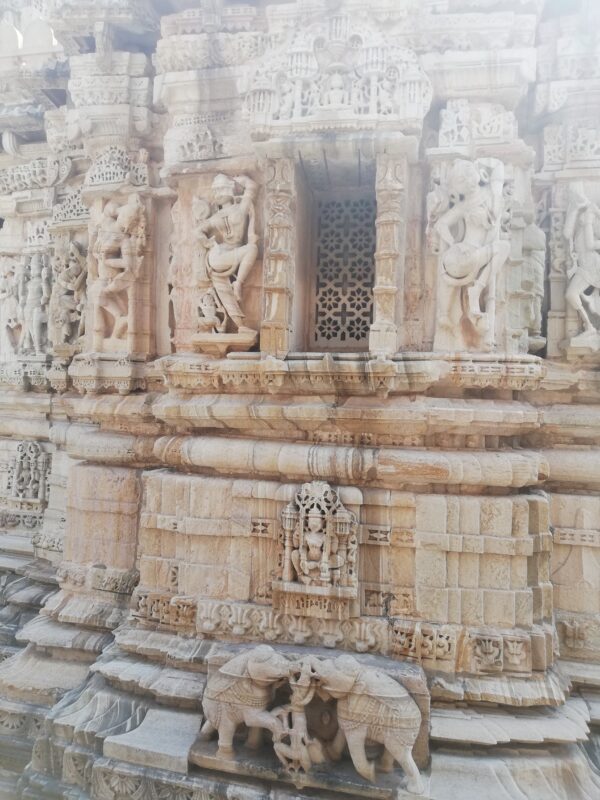
We then visited the Kalika Mata (“Mother of God”) Hindu temple with the most glorious carvings of people and animals. The faces of the people have been cut off by the Moslems. It was built to worship the Sun God, Surya, in the 14th century but was rebuilt in the 16th for the worship of Kali
The Vijaya Stambha (Tower of Victory) was erected by Maharana Khumba in 1448 to celebrate the victory of Rajput forces over invaders from Gujerat. Dedicated to Vishnu, it is 122 feet high and is adorned with beautiful carvings of Hindu deities. The Meera Temple was dedicated to the Hindu saint Meera. She wrote poetry expressing her devotion to the God Krishna.
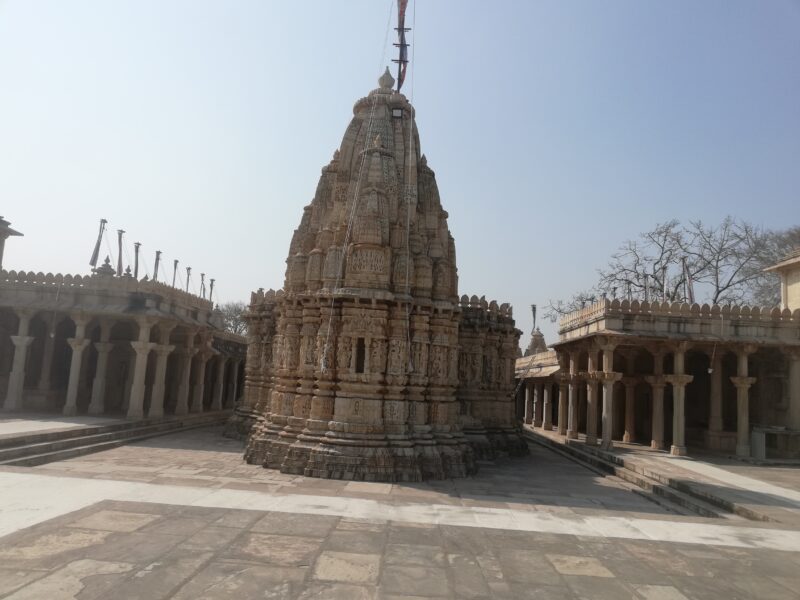
The Jain temple is a reminder that Chittorgarh is an ancient centre of Jainism, and the city was mentioned in Jain scripts dating to the 3rd century. We finally visited Rana Khumba’s Palace which is accessed by a steep ramp but is largely in ruins.

Wild pigs at Bundi
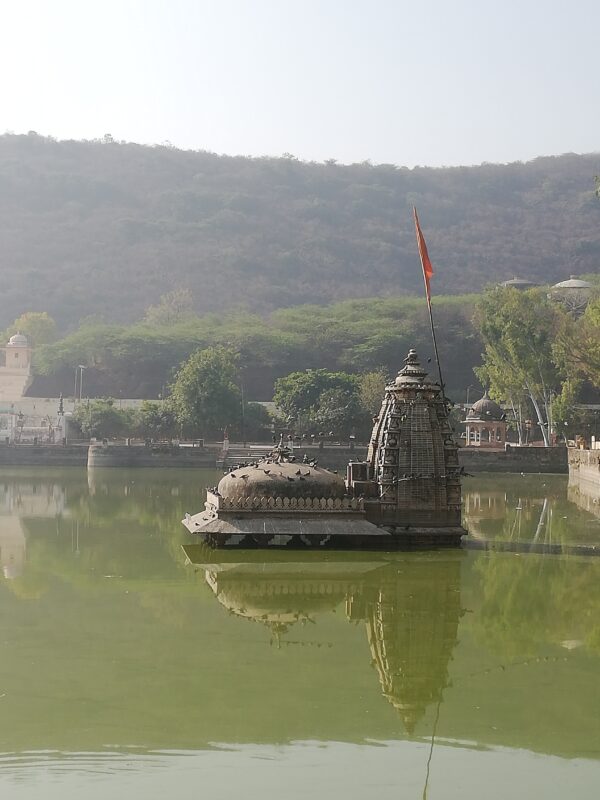
Temple in lake at Bundi

Temple at Bundi

Gallery on way to Padmina’s Palace

Looking out over lake towards Padmina’s Palace
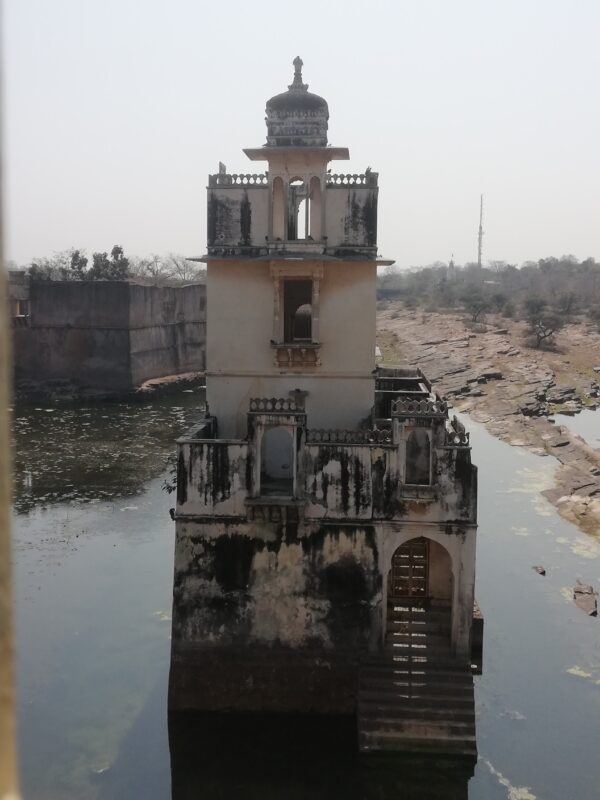
Padmina’s Palace
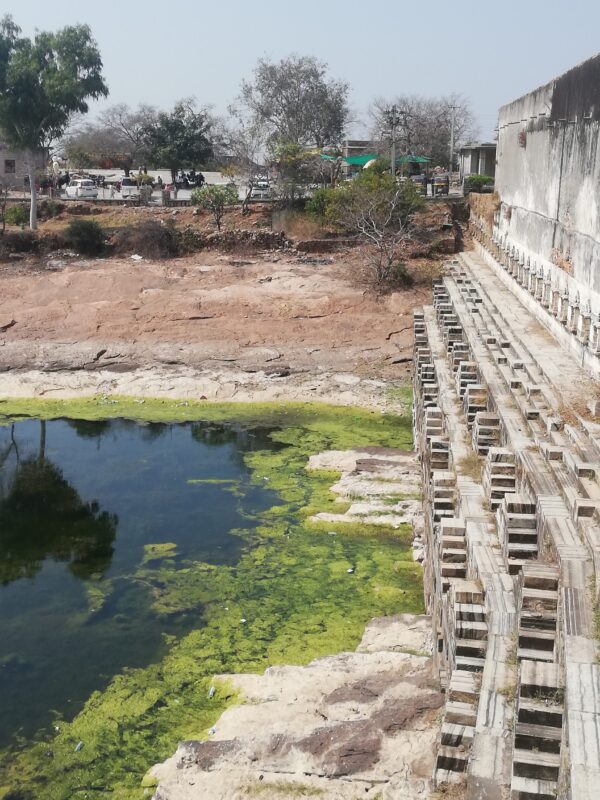
Steps down to the lake

God Mother temple
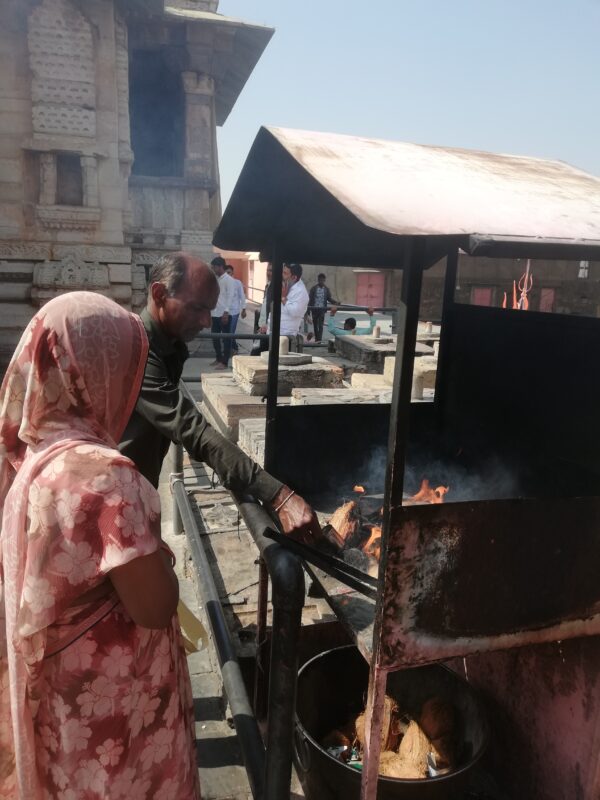
Fire for pilgrims tothrow incense into
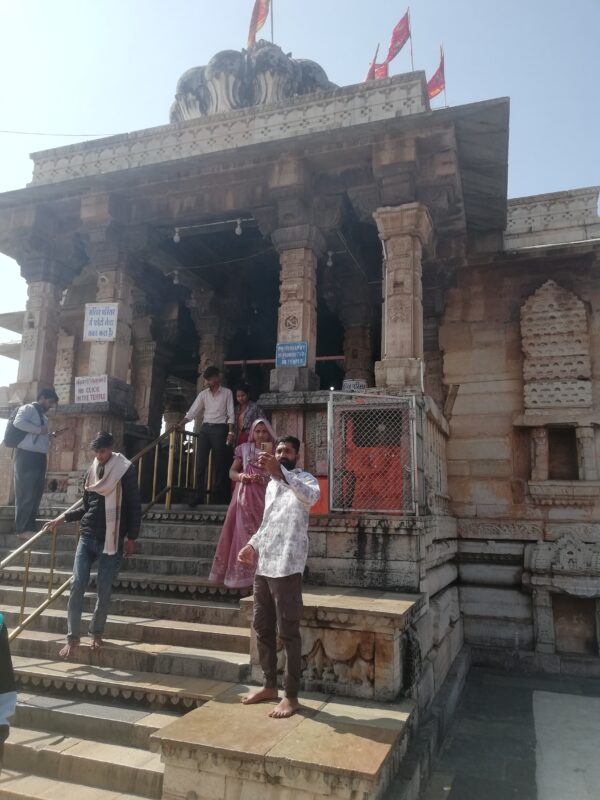
Entrance to God Mother temple
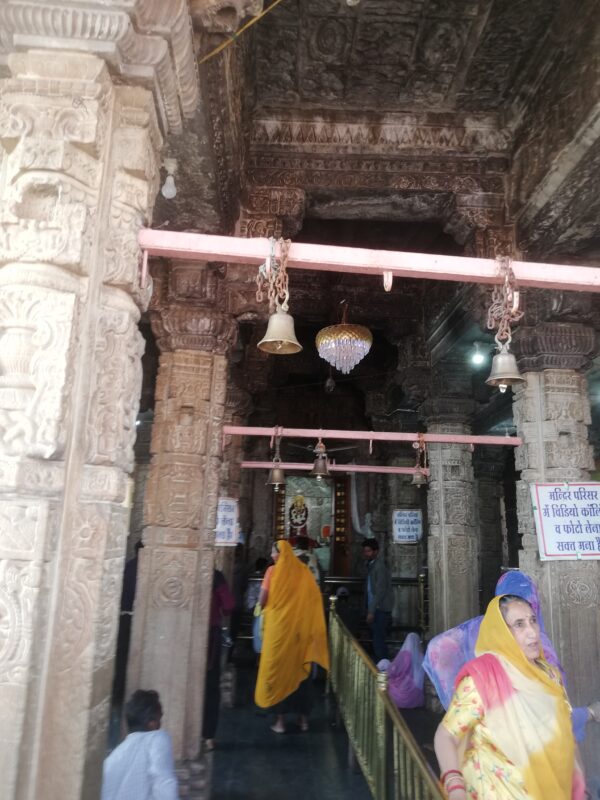


Khumba Swamin temple, built by Maharana Khumba (1438-1468).

A corner of the Gaumukh tank


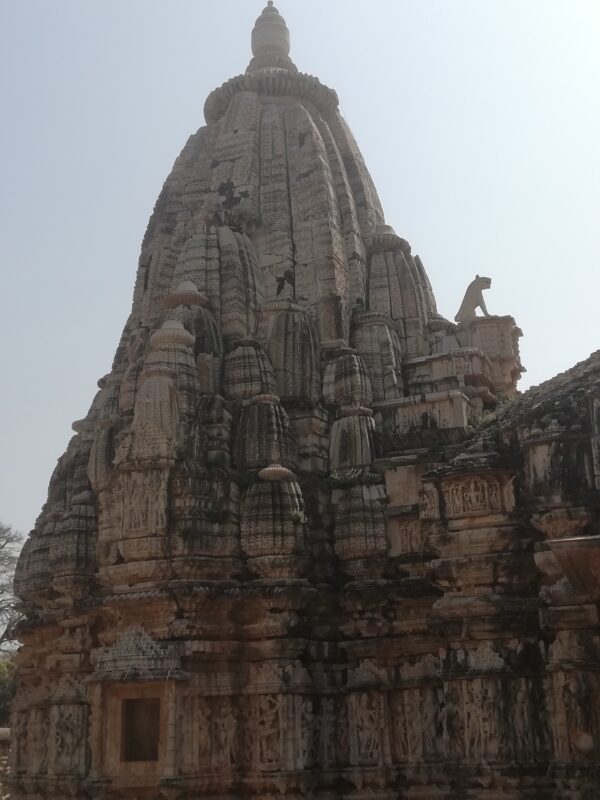
Meera temple




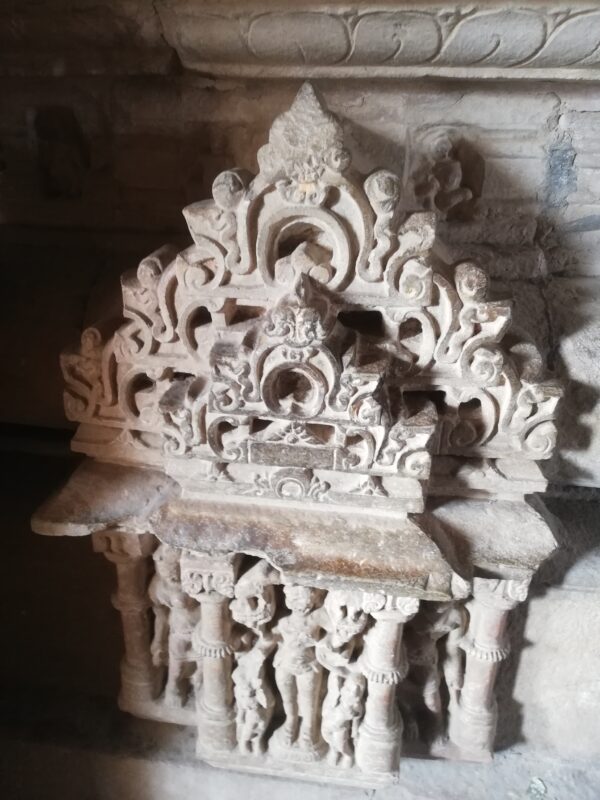


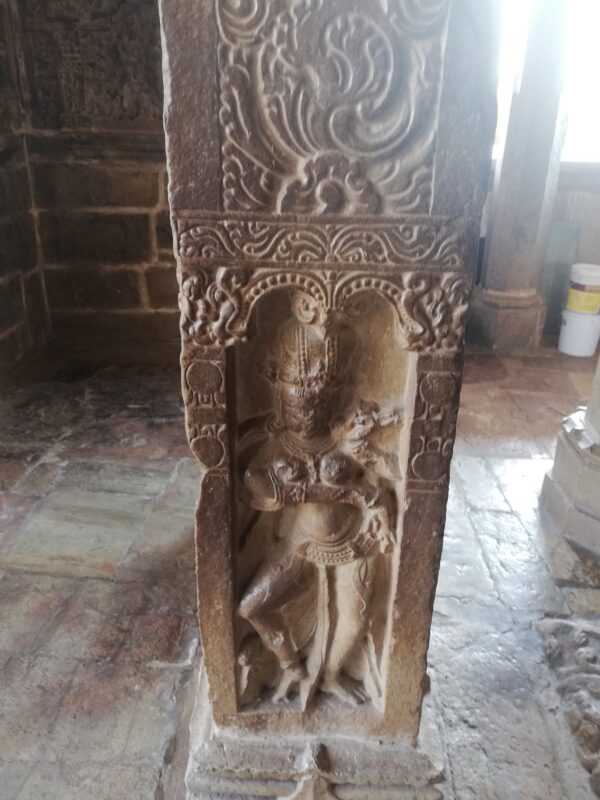
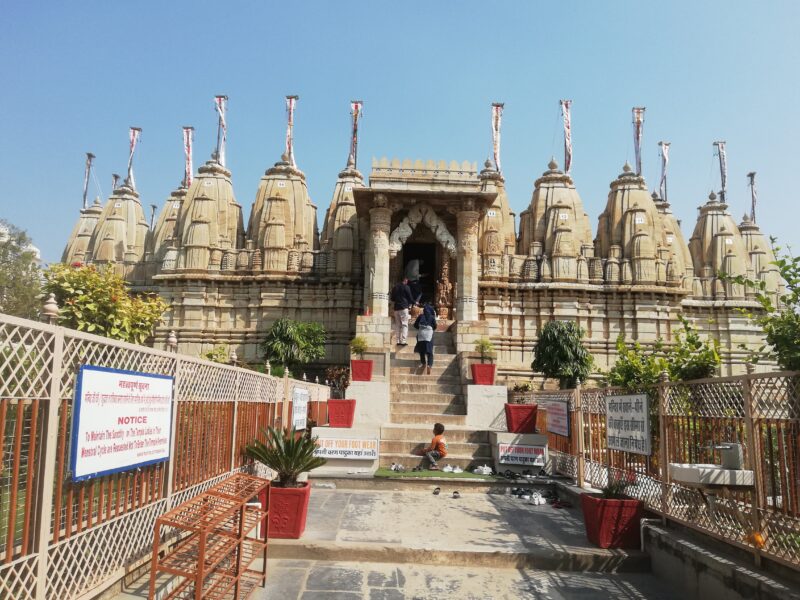
Jain temple


Rana Khumba’s Palace