Because we only spent one day in Bikaner, Mr Mukesh volunteered to take us to two major sights in Delhi, the Qutub Minar and Humayun’s tomb. The Qutub Minar is an enormous stone tower, the first storey of which was built in 1192-1210 by Qutbud-din-Aibak while the rest was built by Iltutmish in 1211-1236. The first sight we saw on the way into the complex was the Alai Minar, a large stub which was the base of another tower. It was started in 1316 by Ala-ud-Din Khalji, who died shortly after its construction started. We then passed through a gate built by Iltutmish (reigned 1211-1236) of the Delhi Sultanate and visited his tomb. The next building on the route was was Khalji’s tomb followed by the famous iron pillar in the courtyard of the Quwwatul-Islam mosque It bears a Sanskrit inscription in Gupta Brahmi script which can be dated to the 4th century, and stating that the pillar is a standard to the God Vishnu in the memory of King Chandragupta II (375-413 AD) of the imperial Gupta dynasty. The iron pillar was brought to Delhi in 1233 by Iltutmish from Udaigiri in Madhya Pradesh State and a hole at the top indicates that an image of Garuda, the vahana (vehicle) of Vishnu originally fitted in the hole but has now been lost. The chemical content of the iron has prevented it from rusting over a period of almost 1,600 years. The southern gateway of the Quwwatul-Islam mosque is known as the Alan Darwaza and it was built in 1311.
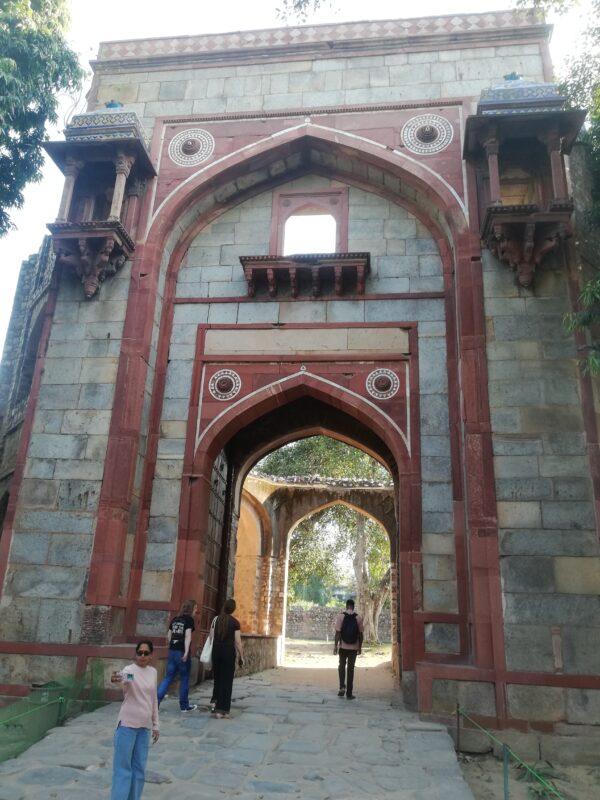
We then drove to Humayun’s tomb. He was the was the second Mughal emperor, who ruled over territory in what is now eastern Afghanistan, Bangladesh, Northern India, and Pakistan from 1530 to 1540 and again from 1555 to his death in 1556. We entered the complex through the Arab Serai Gate, which was built in 1561 leading to a walled enclosure housing Persian craftsmen who were brought to Delhi to build the tomb. The tomb was built by Humayun’s widow, Hanida Banu Begum, and was the precursor of the Taj Mahal. It holds over 100 tombs of Mughal emperors, their wives and other notable figures from the Mughal era, and was he first example of Persian architectural influence in India,
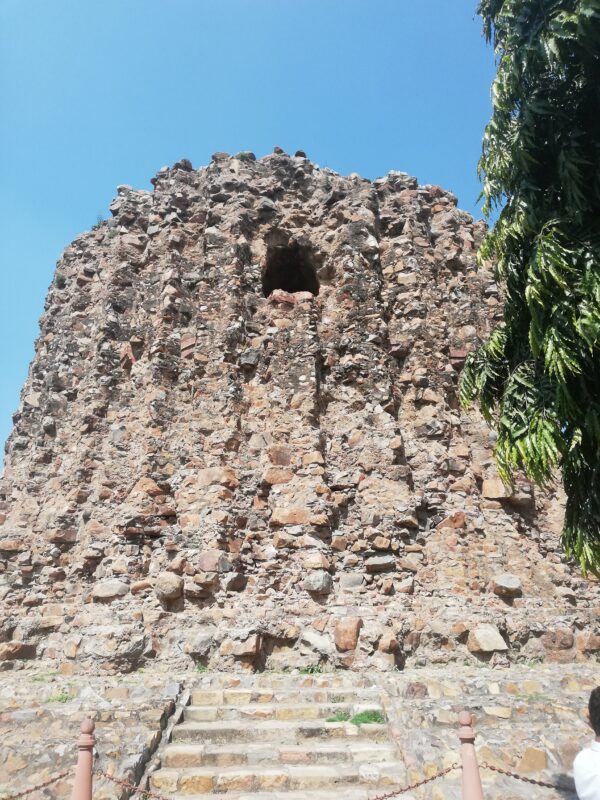
Base of the Alai Minar, never completed
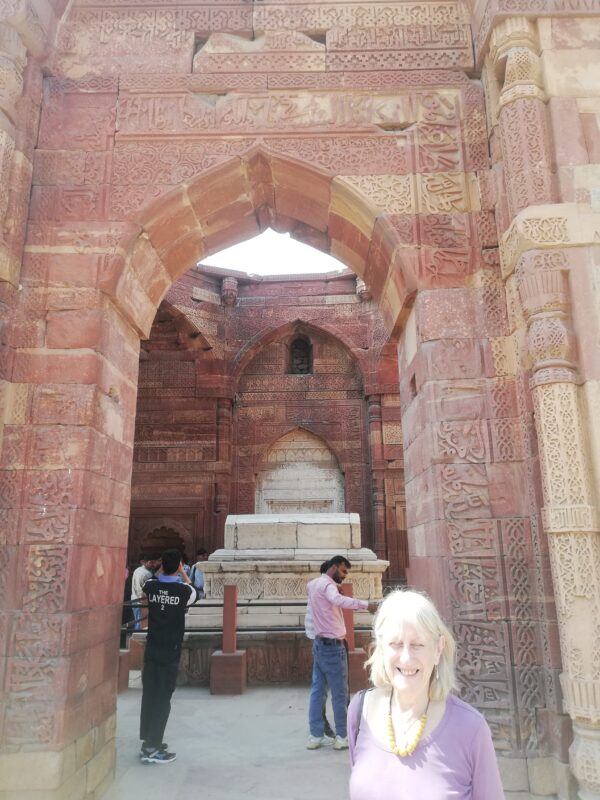
The tomb of Iltutmish
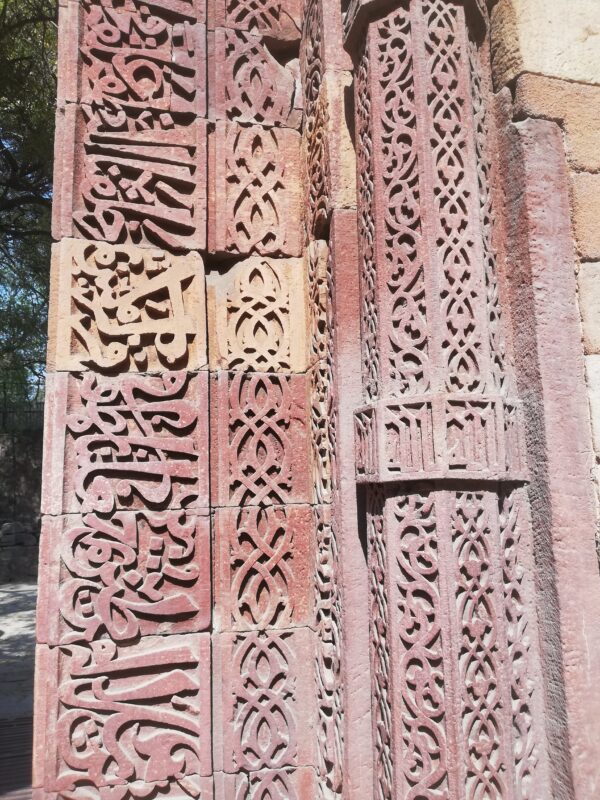
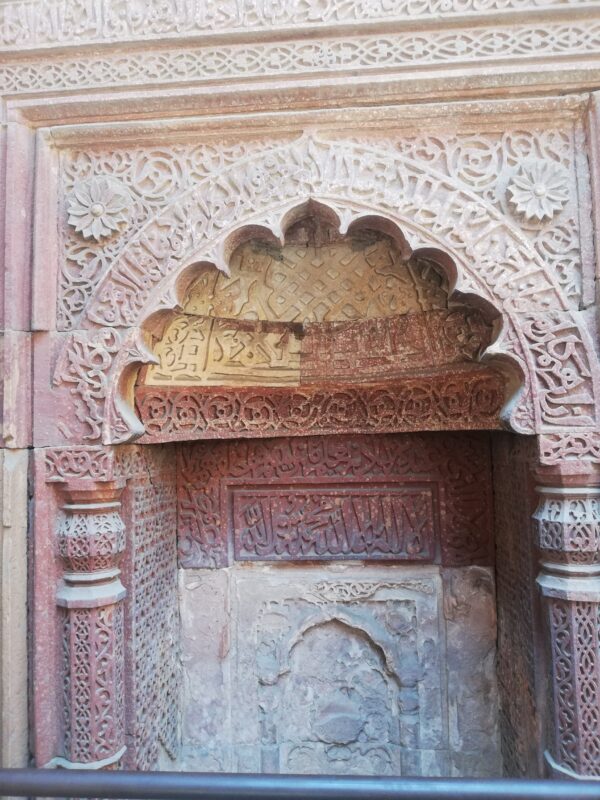
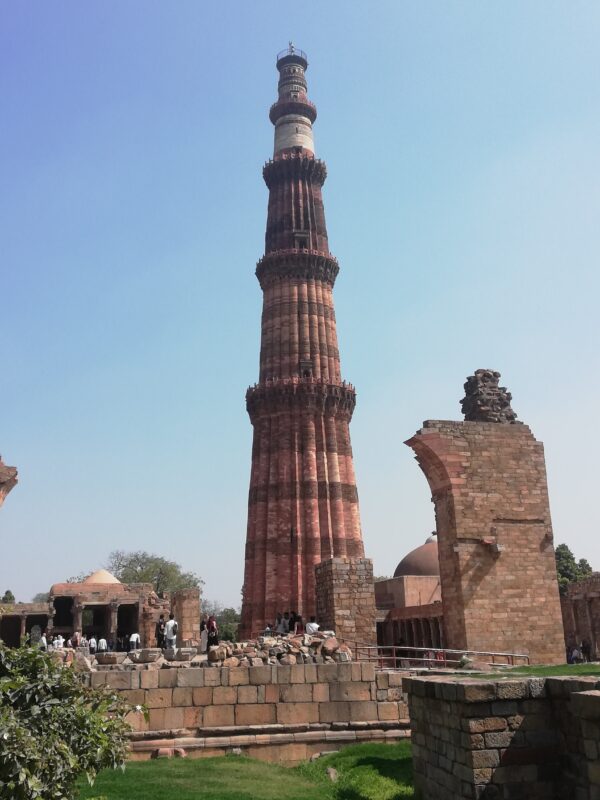
Qutub Minar
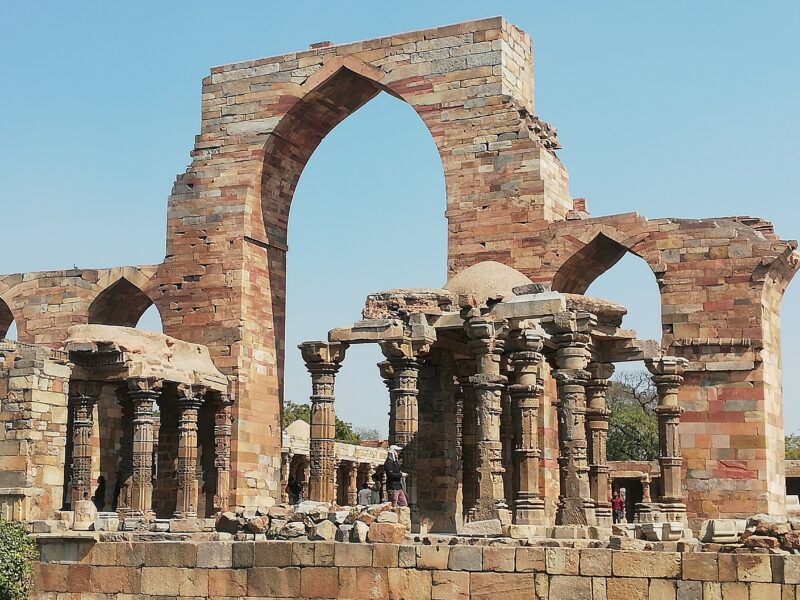
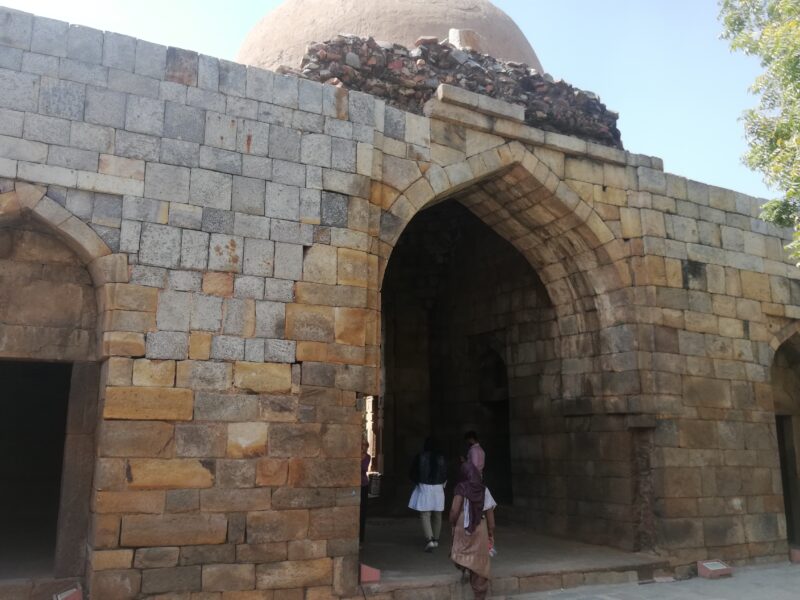
Khalji’s Madrassa
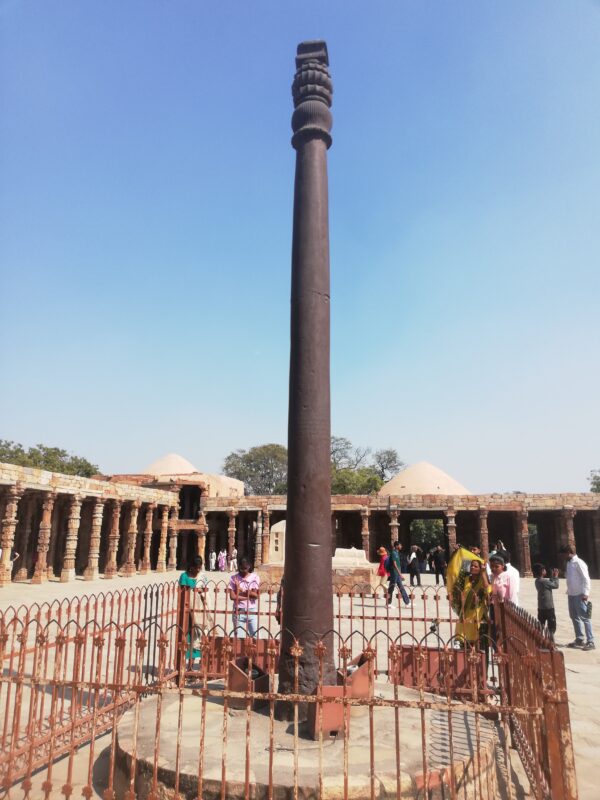
The Iron Pillar
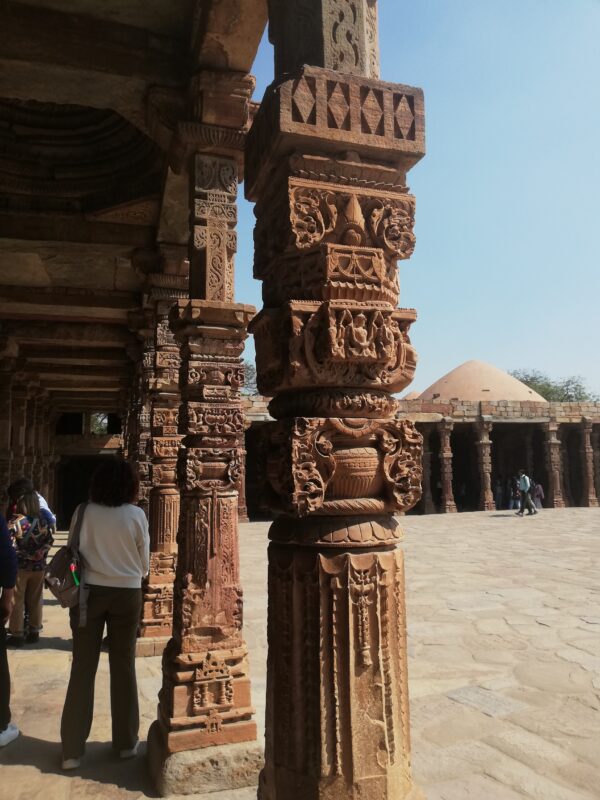
The Alan Darwaza (1311)
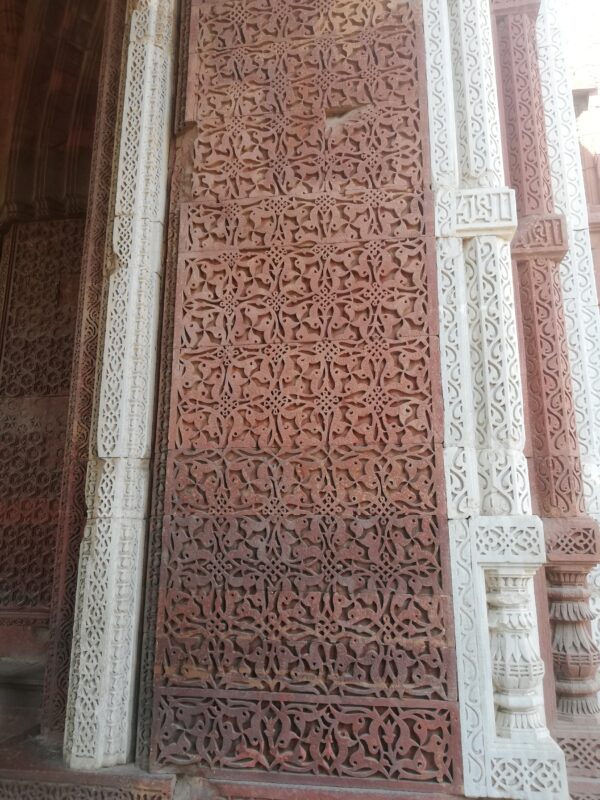
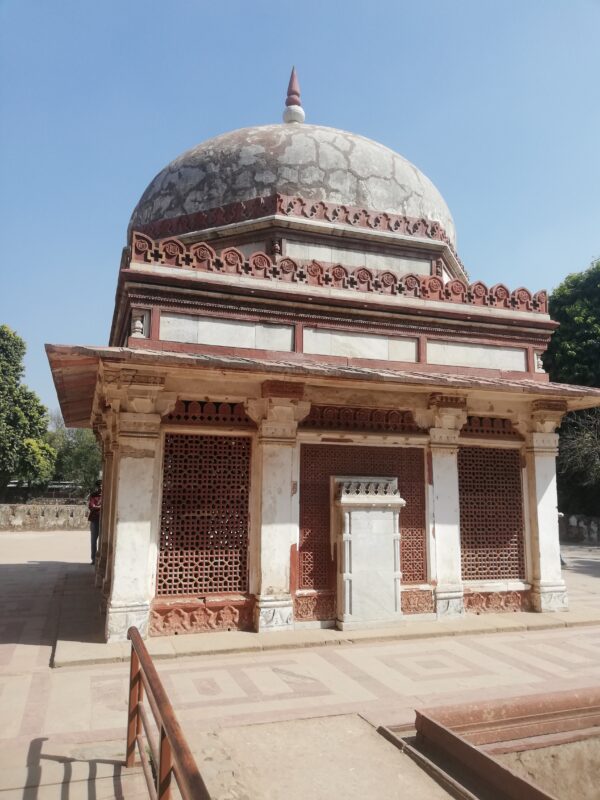
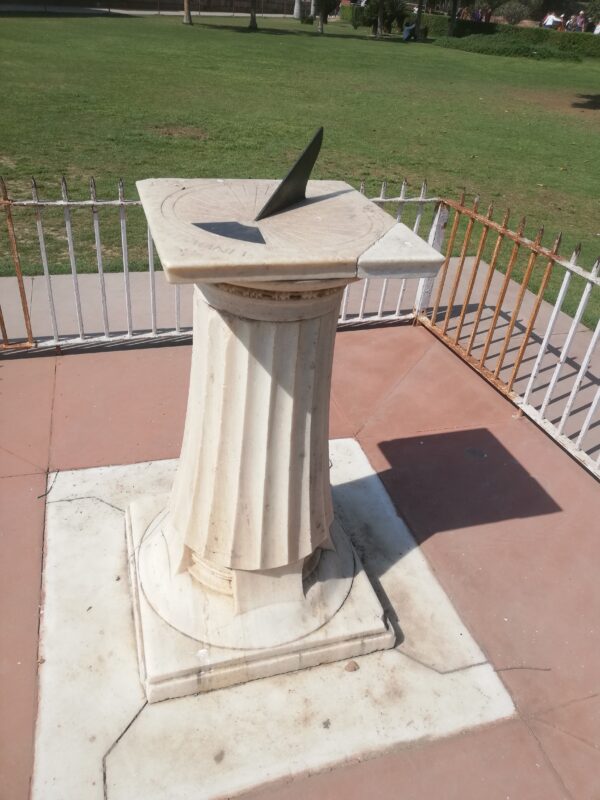
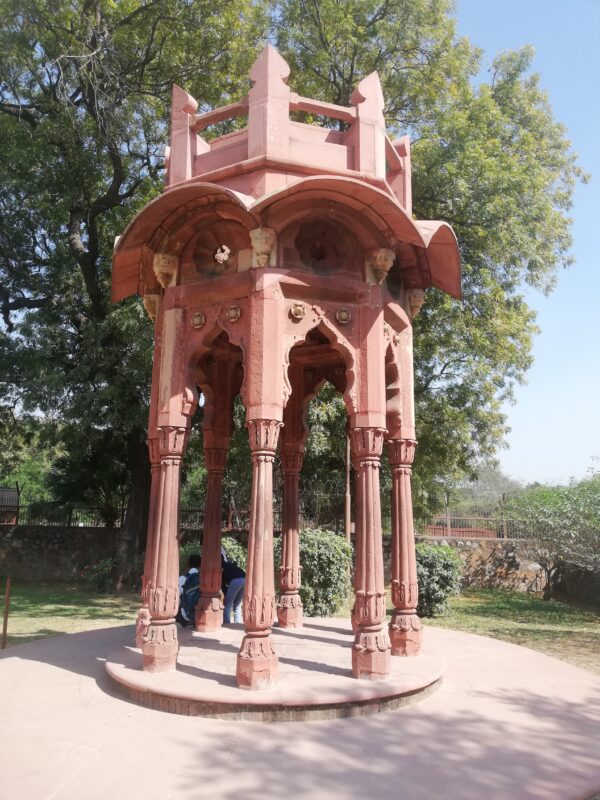
Sanderson’s sundial, built by an Englishman who participated in the restoration of the tomb
Entrance to Humayun Tomb compex
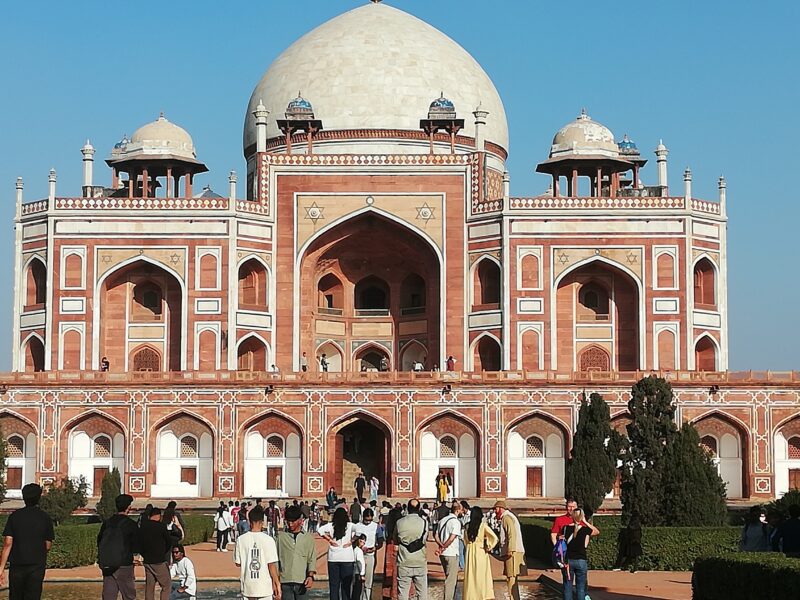
Humayun’s Tomb
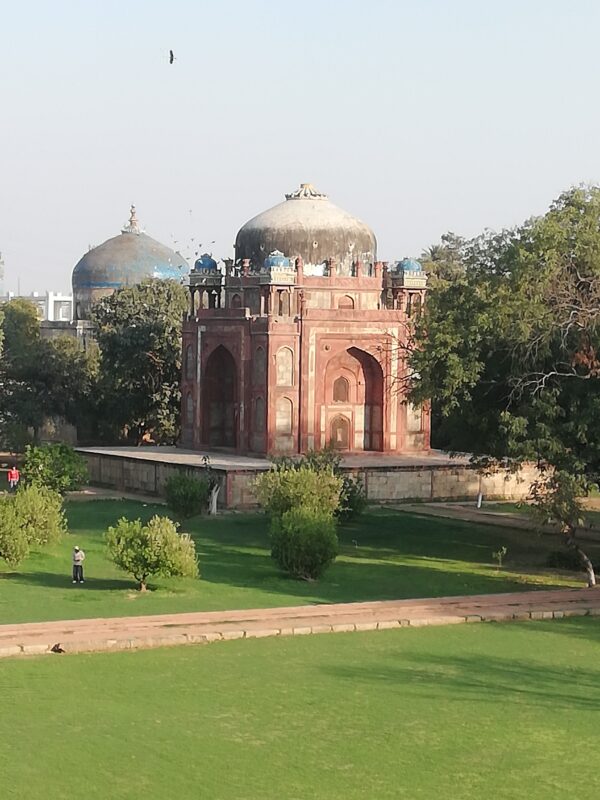
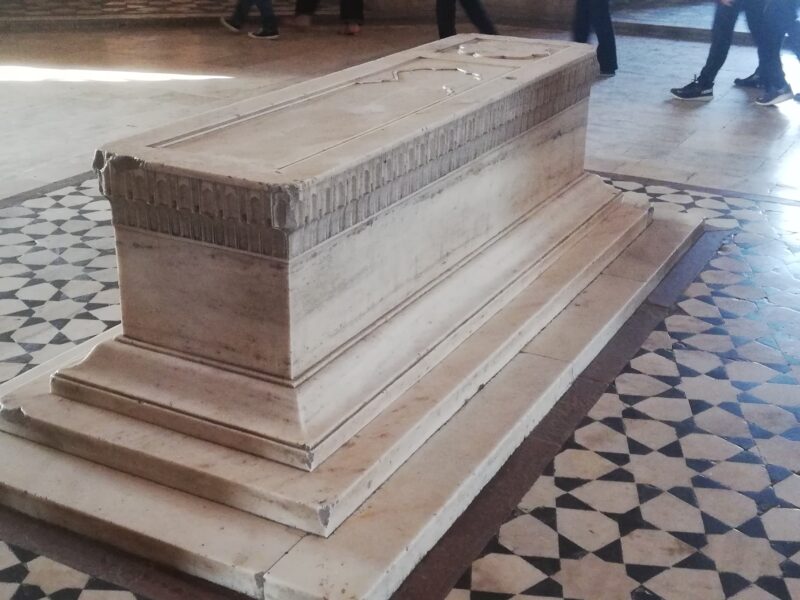
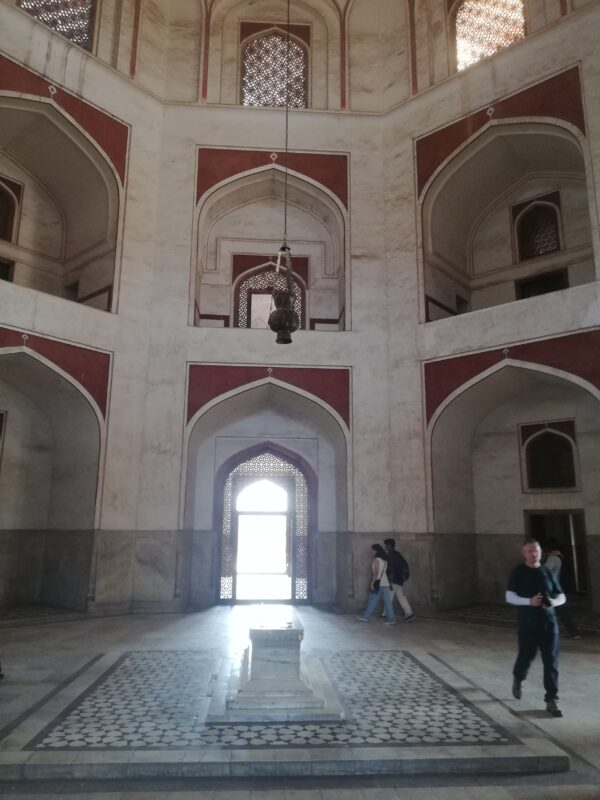
The actual tomb
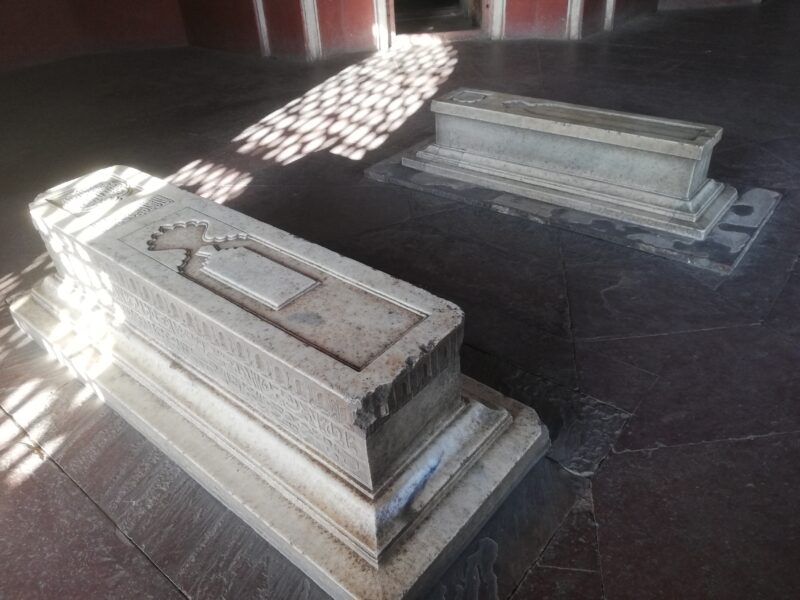
Tombs of an adult and a child
6 thoughts on “Day 30 (25th February) Delhi”