The flight from Hue to Ho Chi Minh City on 1st August was uneventful, and it was nice to hear the song “The Ballad of Ho Chi Minh” played on the plane as we came into land at the airport. A taxi driver took us (and grossly overcharged us) to a half-decent hotel in the Airport District.
The 2nd August was a resting day and we did absolutely nothing apart from going to a Thai restaurant in the evening and sharing a very spicy meal. We also booked a trip to the Cu Chi tunnels in a small group of two Germans, one Frenchman and three Hong Kong ladies with Long, the very enthusiastic guide and Khiet the driver. On the way to Cu Chi town we stopped at a workshop where people suffering from deformities and cancers caused by the Agent Orange defoliant dropped by the Americans to destroy the jungle are making ceramic items for sale. We also passed through extensive rubber tree plantations. We studied two display boards showing how the tunnels, of total length 250 kms, were on three levels with the deepest being 10 metres below ground level and could not be damaged by the bombing. They were inter-connected with bunkers for specific purposes: cooking, sleeping, storing weapons and ammunition as well as hospitals and workshops where unexploded American bombs were cut up and the explosives collected. We were shown how bamboo was used for a wide variety of purposes, especially for ventilation. On one of the tracks through the jungle we were shown a former tiger trap where a deep hole had been dug in the ground and covered by a see-saw platform. When an American soldier trod on the platform he plunged into the hole and was impaled on bamboo spikes which had been hardened with diesel. Poison on the tip of the spike meant that the soldier would die. Several of us (including myself) volunteered to enter the tunnel system through an entrance which was used by the Vietnamese (who are somewhat smaller than Europeans) but my spindly arms were not strong enough for me to get out and the Germans, Frenchman and guide had to haul me out while the Hong Kong ladies shouted encouragement. Very embarassing.
The “fighting trench” which the Vietnamese used to ambush Americans and kill them before disappearing back into the tunnels must have partly filled in over the past 50 years because it wasn’t very impressive. A most interesting feature was a termite nest with bamboo plants poking out of it. The Vietnamese created identical mounds of clay excavated from the tunnels and stuck hollowed-out bamboo branches into them which allowed ventilation into the tunnels. The Americans thought they could distinguish these from termite nests by using German Shepherd Dogs to sniff out the people in the tunnel; the Vietnamese spread pepper round the ventilation mounds to damage the ability of the dogs to smell, and in the rainy season (when pepper didn’t work) they used uniforms from dead Americans. Apparently the dogs were only trained to identify the smell of the Vietnamese. We saw an American tank which had been blown up by a mine, and a row of different ingenious types of trap using steel spikes which the Americans blundered into. The “folding chair trap” was the most lethal as two sets of spikes impaled the American through his stomach and back. Another trap was installed behind the door of a house; when the American kicked the door in, a heavy weight caused a device with lethal spikes to fall and be driven through the intruder’s stomach. After stopping for a cold drink, we watched the process of making rice paper.
Before going down the tunnel, we saw a model of how they were built, with vertical entrances dug 40 metres apart and then joined together underground. Long then showed us two sandals made from the rubber of American vehicle tyres. One is modern but the other was made in the 1970’s and we were asked to tell which was which. No-one got the answer; its the one on the left in the picture below because when it is worn, its shape suggests that the walker is going in the opposite direction. So an American patrol will see the footprints and walk in the wrong direction before being ambushed. The tunnel section used by tourists, which is just about big enough for a European to crawl through and is much wider than those used by the Vietnamese, is 100 metres long with exit points every 20 metres. We were told that 60% of tourists leave through the first exit and only 10% make it to the end. There is a particularly nasty bit were the tunnel becomes narrower and is dog-legged with the next light not visible. We did the whole 100 metres and emerged to rapturous applause by loads of other tourists.
We then went to the “War Remnants Museum”. A poignant exhibit is a bell which was fashioned from the shell of a 500-pound bomb. After bombing raids, the corpses of the victims were collected and stored in the Buu Lam Pagoda in Binh Lam hamlet while the bell was rung as part of the death ritual. There are also massive bombs able to devastate entire villages which failed to explode and (hopefully) have been defused. The museum doesn’t pull any punches about the sheer horror of the war. There is a room showing badly deformed children born recently after their grandparents were splashed with Agent Orange; its effects pass through at least three generations. There are also graphic photos of the aftermath of napalm strikes with rows of charred corpses as well as pictures taken by grinning American soldiers of peasants being horribly tortured to get them to divulge the location of Viet Cong units. A room showing pictures taken by journalists includes the iconic picture of a badly-burned 9-year-old girl, Phan Thi Kim Phuc, fleeing in terror from a napalm strike on her village. It won a Pullitser Prize and was shown on the front pages of practically every newspaper in the world. I saw grown men in tears at the sight of the picture. There is also the equally iconic picture of Vietnamese tanks smashing down the gate of the Independence Palace in Saigon, marking the end of the war.
I also wanted to see the memorial to Thich Quang Duc, a Buddhist monk from Hue who burned himself to death at an intersection in central Saigon in June 1963 in protest against the persecution of the Buddhists by the American-imposed regime. It was filmed by an AP reporter Malcolm Browne and shown all over the world. However it would have meant a long walk just as a thunderstorm was breaking so we got a taxi and went back to the hotel.

Ceramics workshop set up in 1976 to employ people suffering from Agent Orange effects.
Example of ceramics work
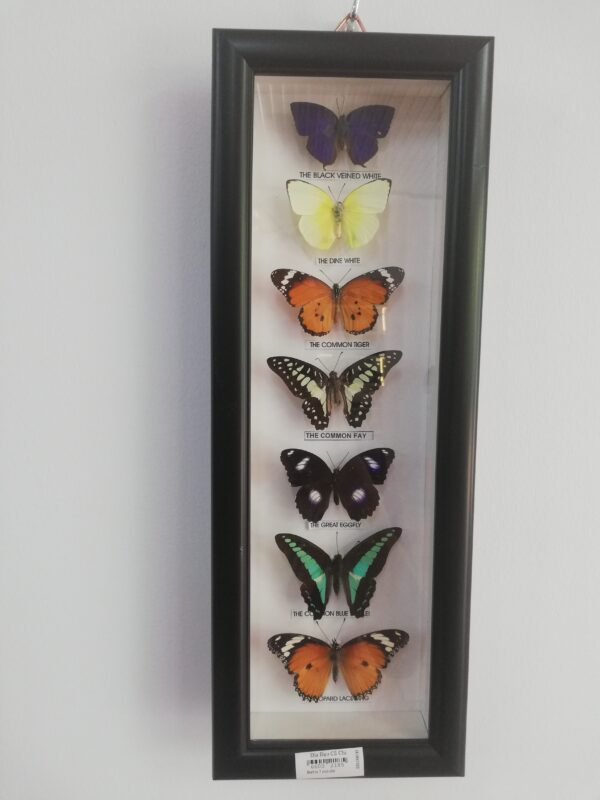
Ceramic butterflies

Rubber tree

Diagramme of tunnels
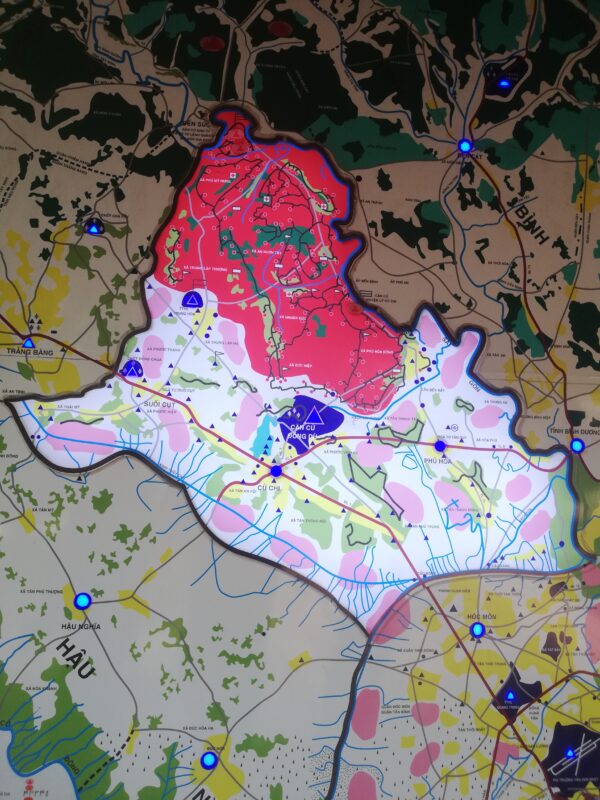
Map of tunnel system

Bamboo

Jungle track

See-saw trap

Me getting into tunnel entrance
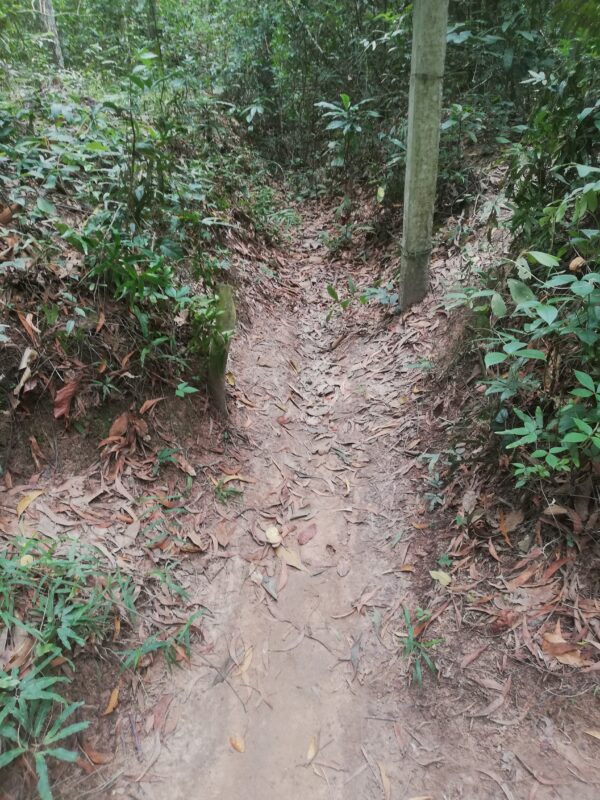
Fighting trench

Model of Viet Cong relaxing

Termite mound or tunnel ventilation mound

Destroyed US tank

Different types of man trap


Door trap

Cutting open unexploded bomb in the workshop

Building a tunnel

Backward-facing Viet Cong shoe on the left

Bell made from a bombshell.

5.7-ton seismic bomb. Destroyed everything in radius of 3.2 kms

Paris Peace Accord signatures of 1975

Chinese trucks bringing supplies south through the Central Highlands

Viet Cong capture Hoa Binh airfield, the biggest US base in Vietnam

Viet Cong tank

Agent Orange canisters ready for use

Agent Orange victim


Body count “If its dead, its Viet Cong”. US Government method of counting military success

Prisoners being dragged to death

The My Lai massacre. A whole village wiped out.


End of the war