The hotel organised a tour of Hue which, despite a healthy contempt of tour groups, we joined and really enjoyed it. The tour guide, a very attractive and personable young lady called Ang, took us on a coach to the Citadel, the Mandarin House, a pagoda (where a monk burned himself to death in 1965 in protest against the American-imposed Catholic president’s destruction of temples), a boat trip up the Perfume River, a visit to a minority village which makes incense and a couple of mausoleums of past emperors. In the evening, we were persuaded by the hotel manager to travel to Ho Chi Minh City by air rather than road or rail and he booked the tickets for us. He also recommended his sister’s restaurant which we visited and the food was excellent. There are many pictures on davidjennytravel.com (our blog)

The Citadel

Citadel moat
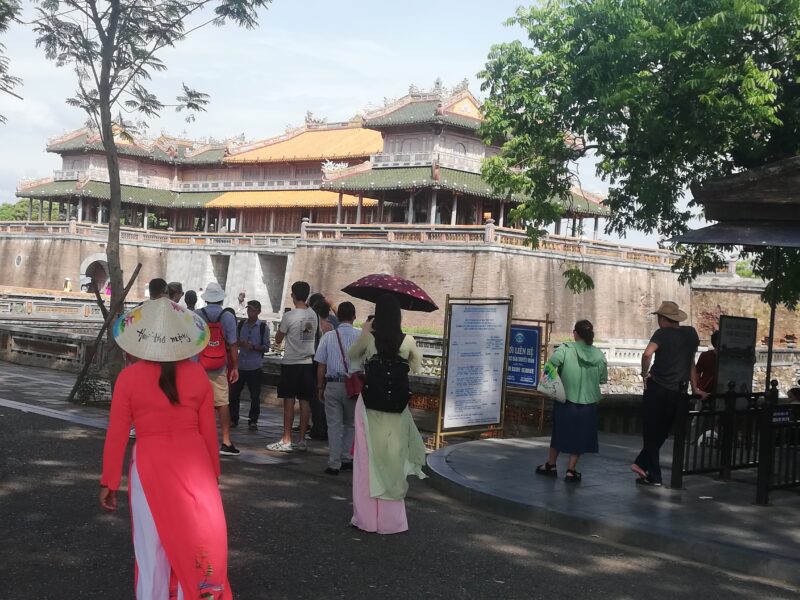

Entrance to the Citadel
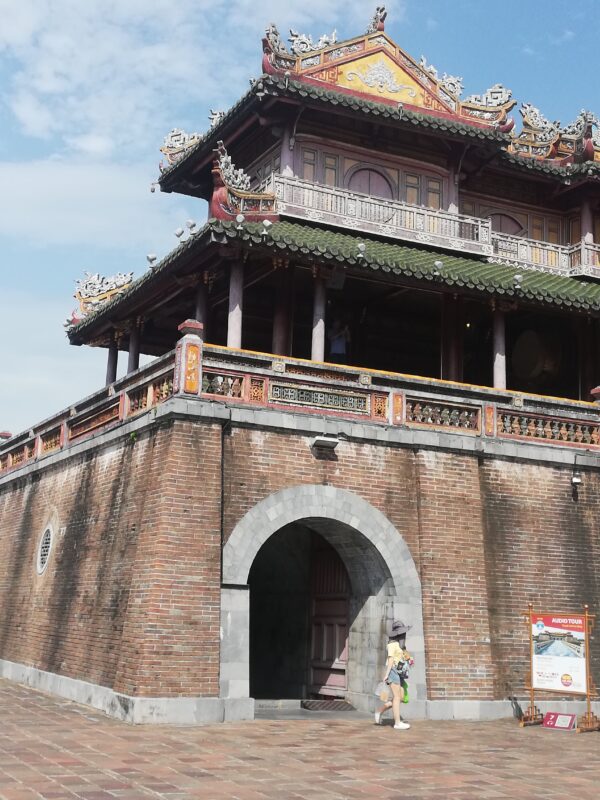

Plan of the Citadel, also called the Imperial City. Built in 1802, it was home to 14 Vietnamese emperors until a republic was declared in1945. It originally had 157 buildings but was left with 10 after American bombing in 1968


Staircase in emperor’s palace
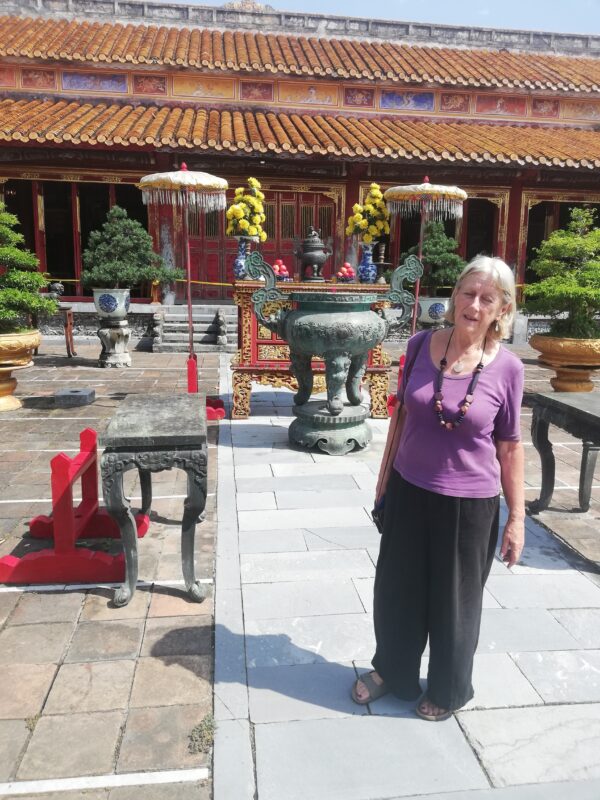

Emperor’s temple (To Mieu)

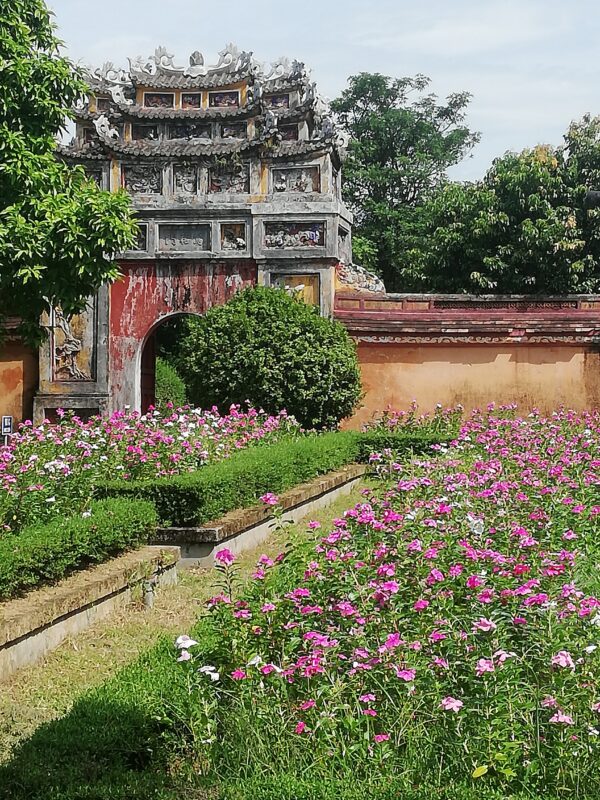
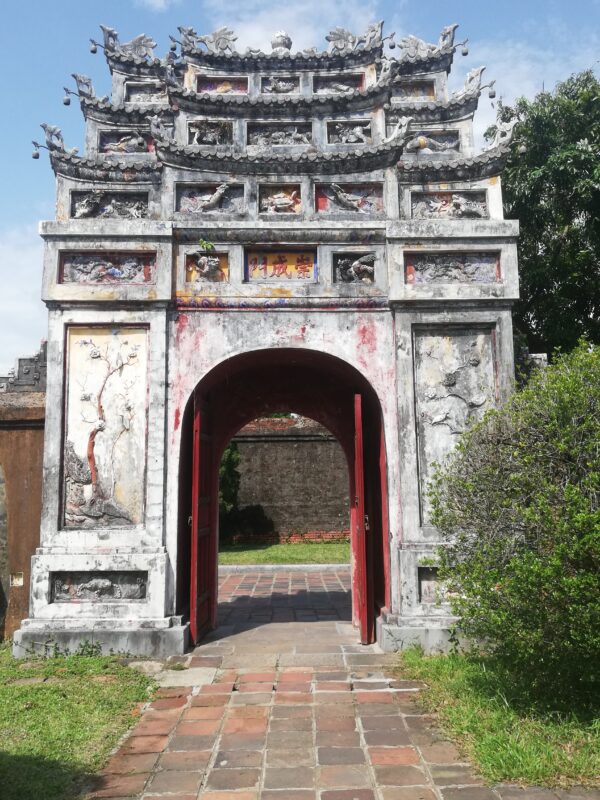


The Emperor’s lake

The queen’s palanquin

area’s where buildings had been bombed


Pictures of the Citadel before 1968
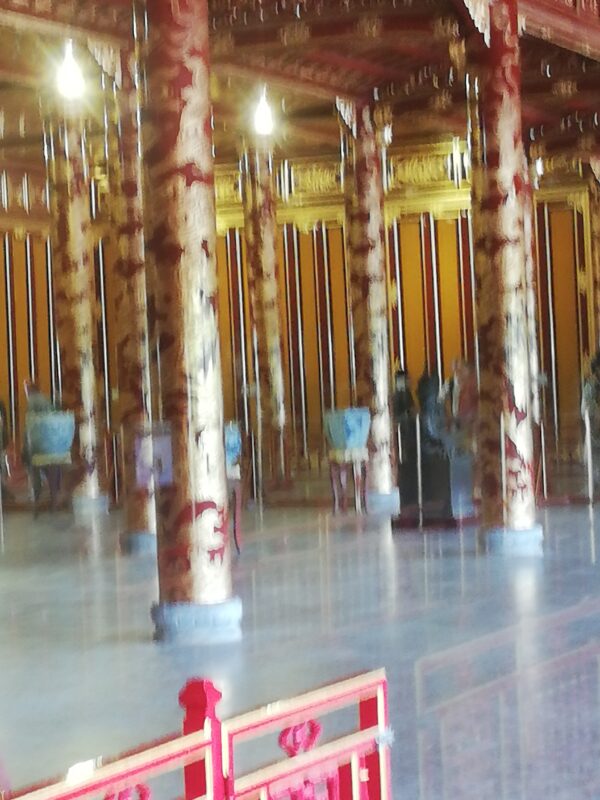


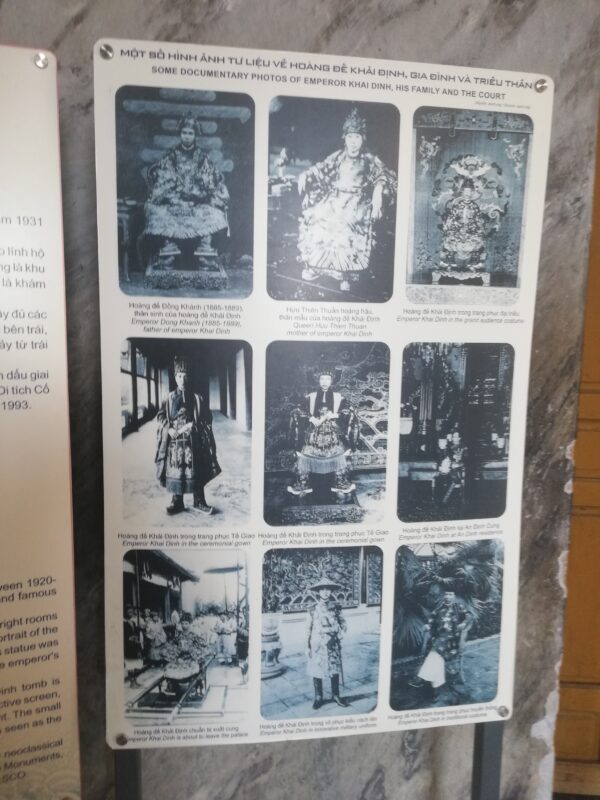
Pictures of emperors

Coronation of last emperor


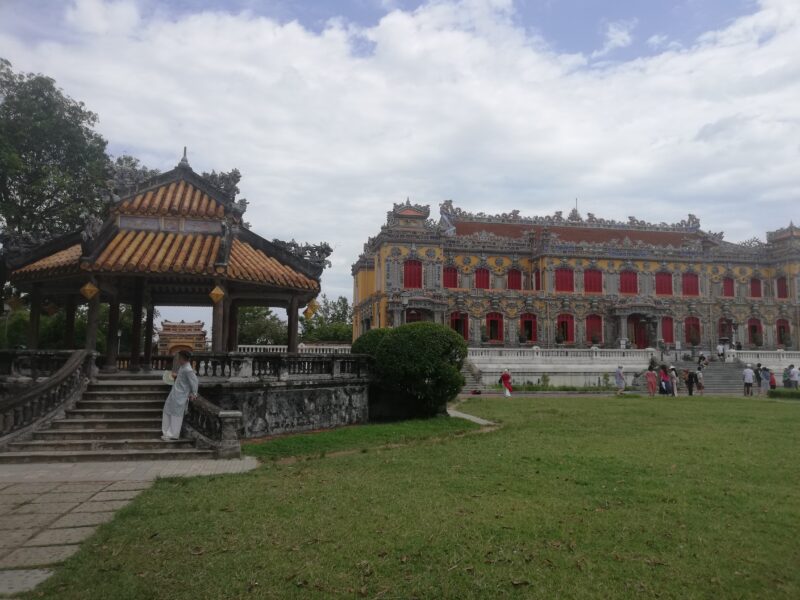
The queen’s palace

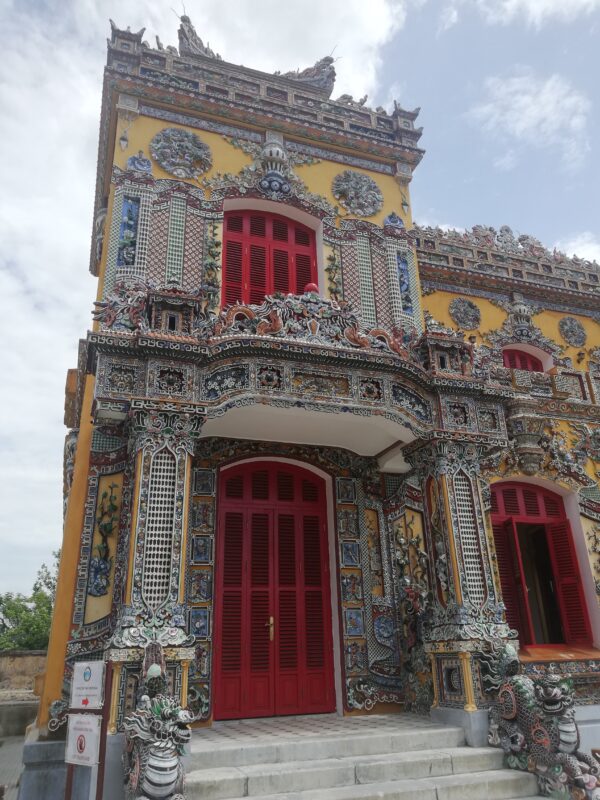

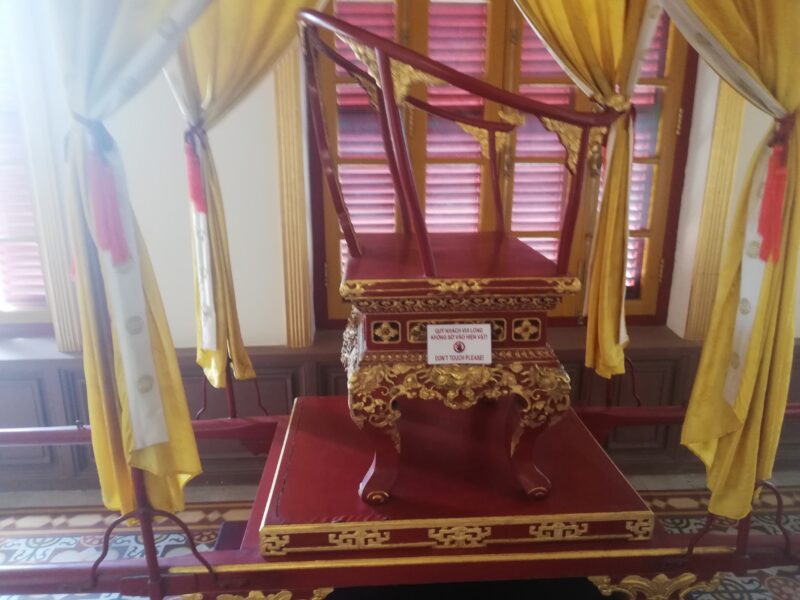

Emperor’s garden


The Mandarin House


Mandarin House altar
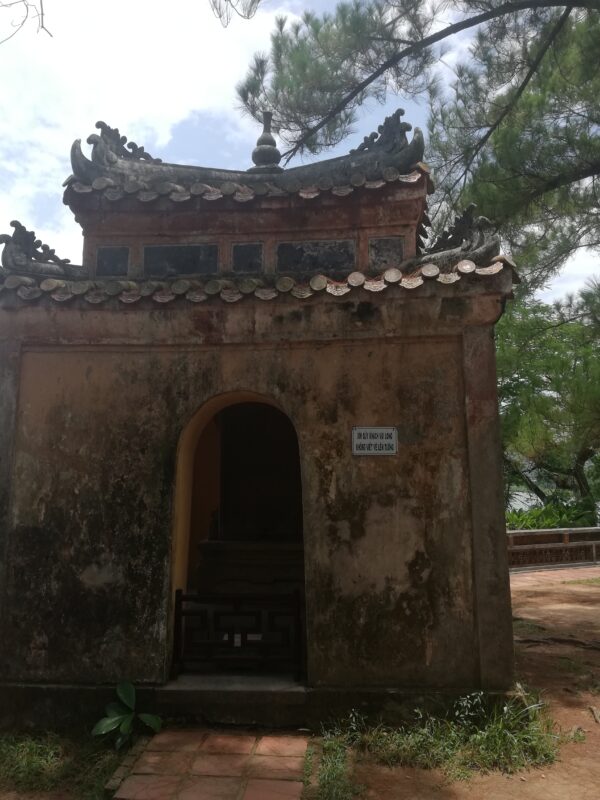
Thien Mu Pagoda, where a monk burned himself to death in protest against the American-imposed Cathi dictatorship.
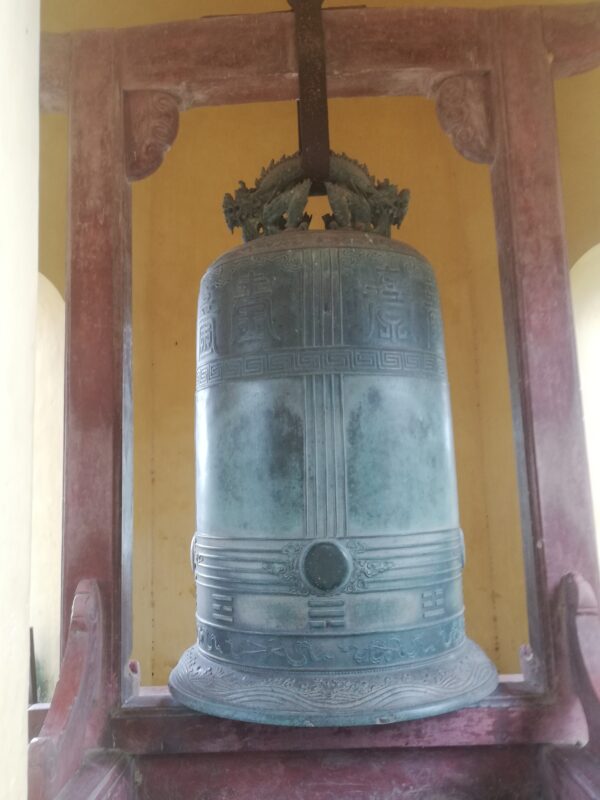

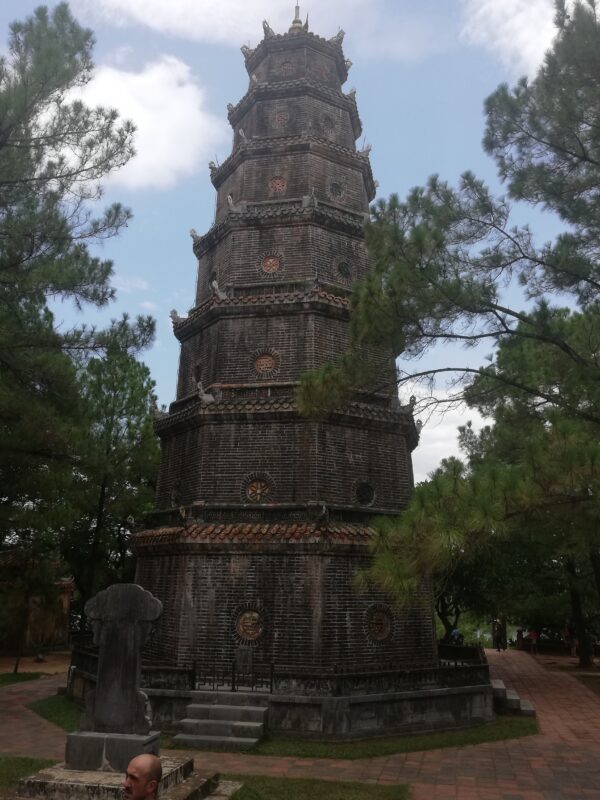
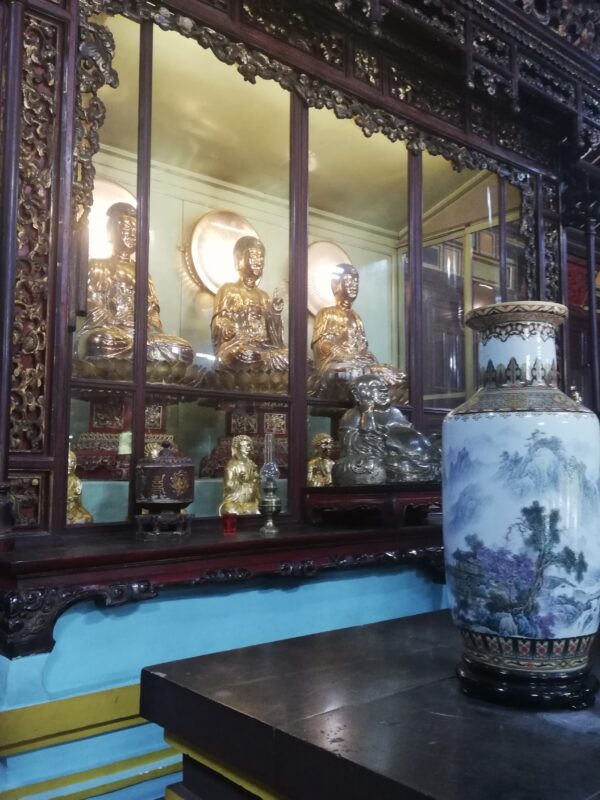
The Past, Present and Future Buddhas
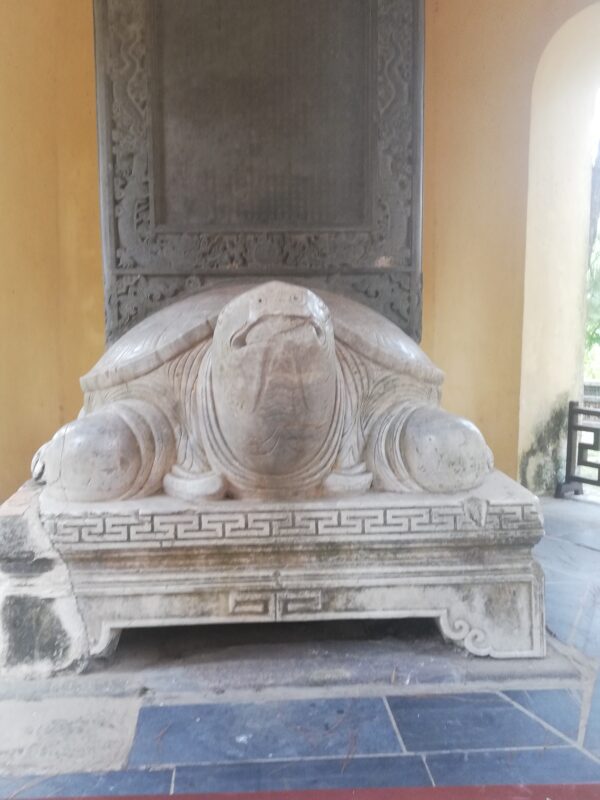
Turtle, symbol of longevity
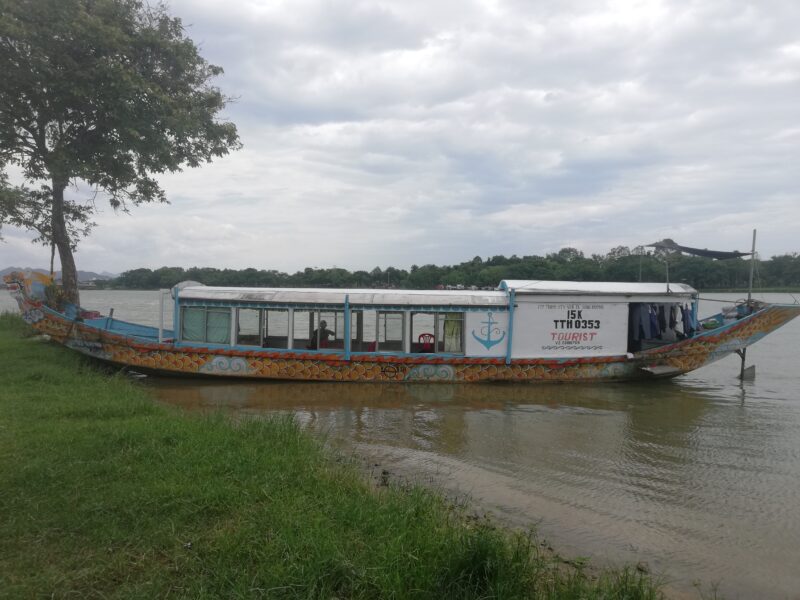
The boat we sailed on the Perfume River
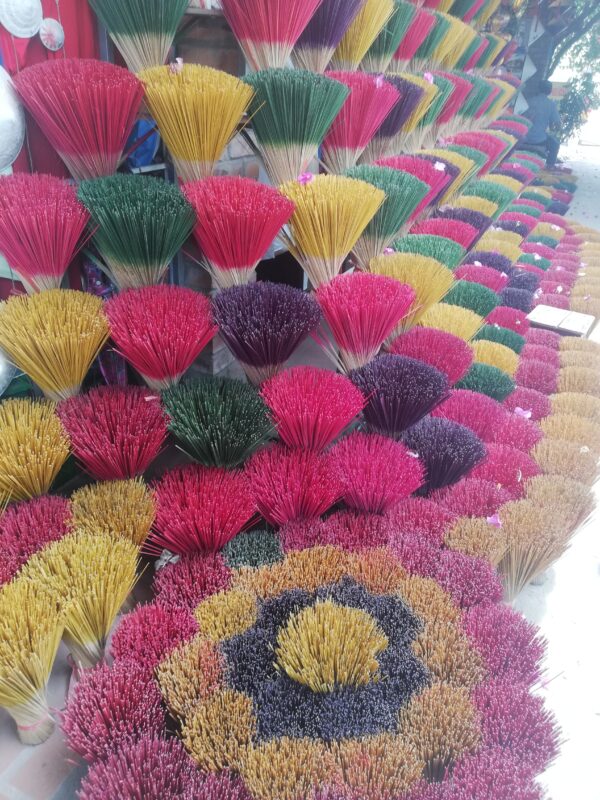
Incense village. Sticks for sale
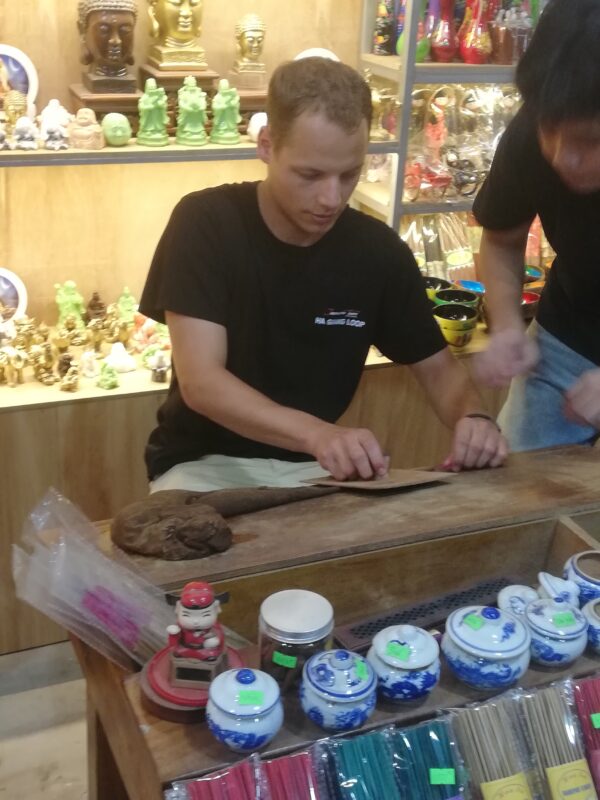
One of our friends making incense stick

Stone elephant at Minh Mang tomb


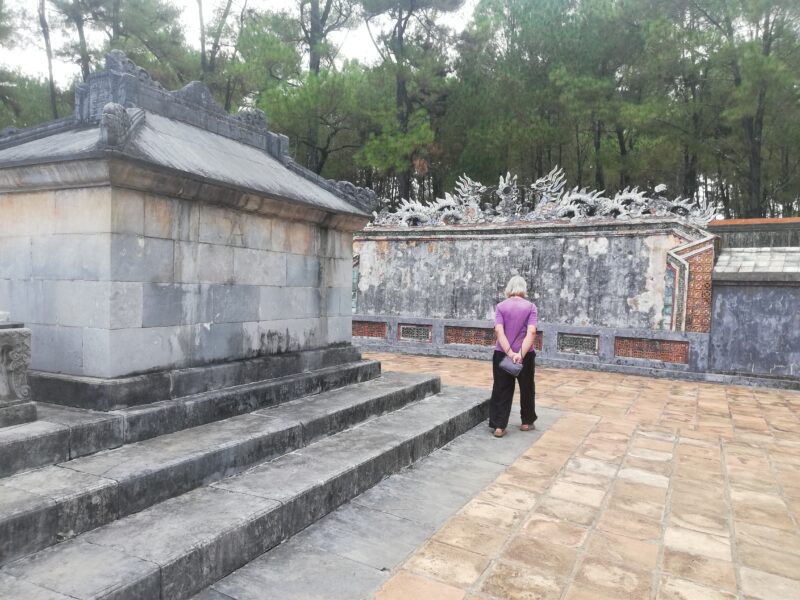
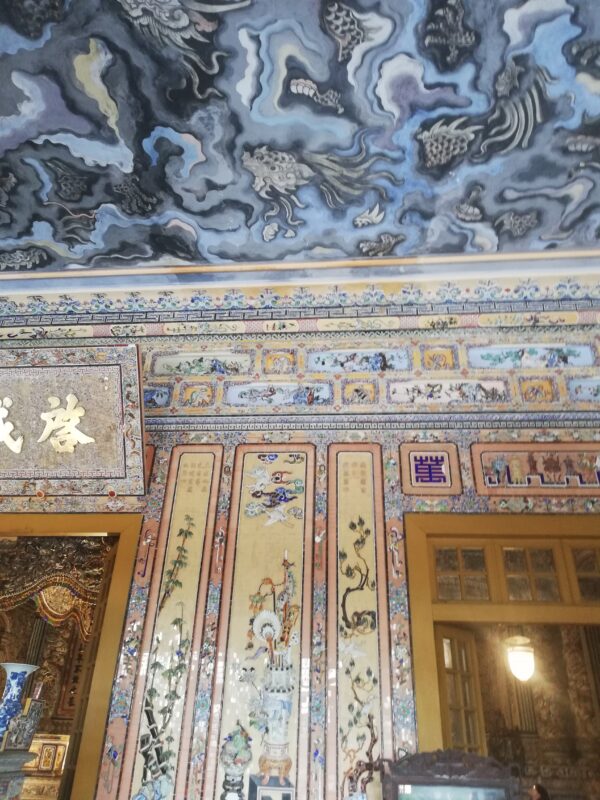
Kai Dinh tomb. Nothing in it.


We climbed Hue’s only hill in a pine forest to see the Perfume River

The last Enperor’s tomb




Tu Duc when he was alive